Star Tattoo: Meaning & Designs
A star tattoo looks simple, but the meaning shifts with the shape – a pentagram, a nautical star, or a scatter of little stars all say something different. Most often it stands for direction, hope, and the memory of a particular person. Because the symbol is so open, it works as a deeply personal marker that no one else has to decode. This page covers what stars mean, the different shapes, the styles that suit them, and the spots where small stars sit best.
You might also like:tattoos and their meanings · sun and moon tattoos · fine line tattoos
Templates & examples
Create your own design
Describe your idea, pick a style – the AI creates one-of-a-kind tattoo designs in seconds.
Create your own tattoo
What a star tattoo means
Most stars done in this context are keepsakes: one small star for a relative who passed, a constellation for a birth month, sometimes just a fixed point to hold onto through hard years. The star stands for direction – the old image of a sailor navigating by the North Star has stuck around for a reason. Alongside that run hope, protection, and a bit of longing. That openness is exactly why the design is so popular: you decide what it means, and it stays private for as long as you want.
Five points, six points, or nautical?
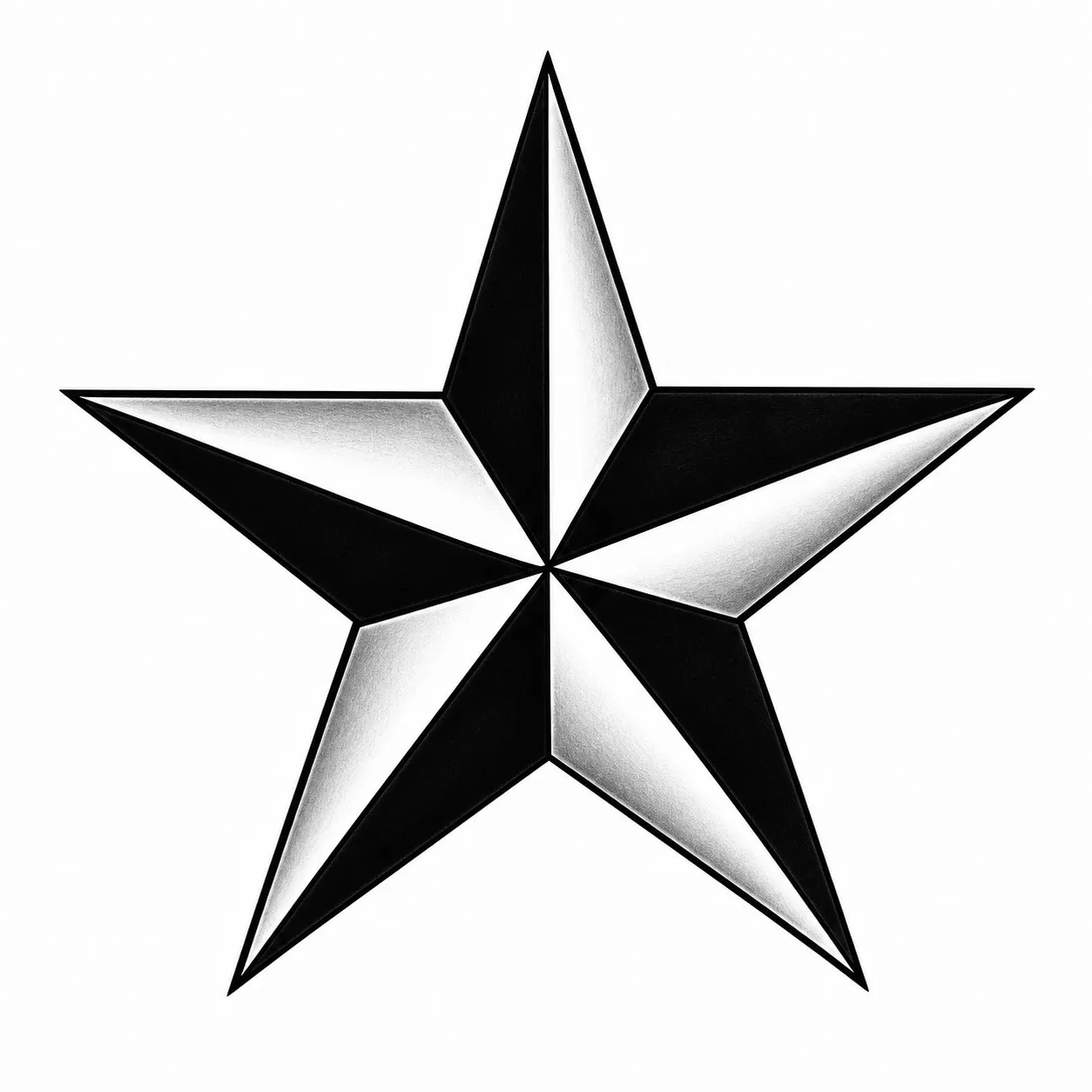
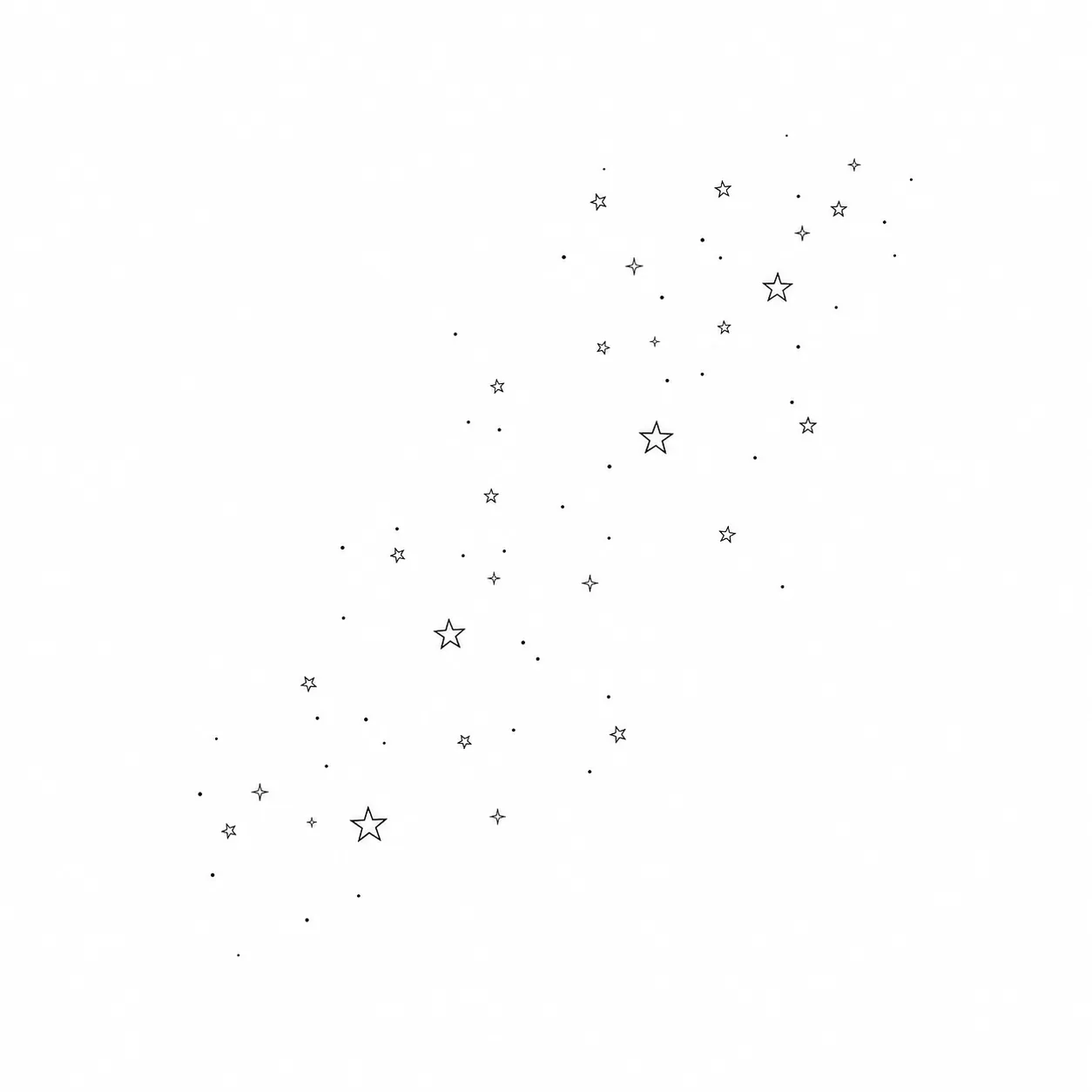
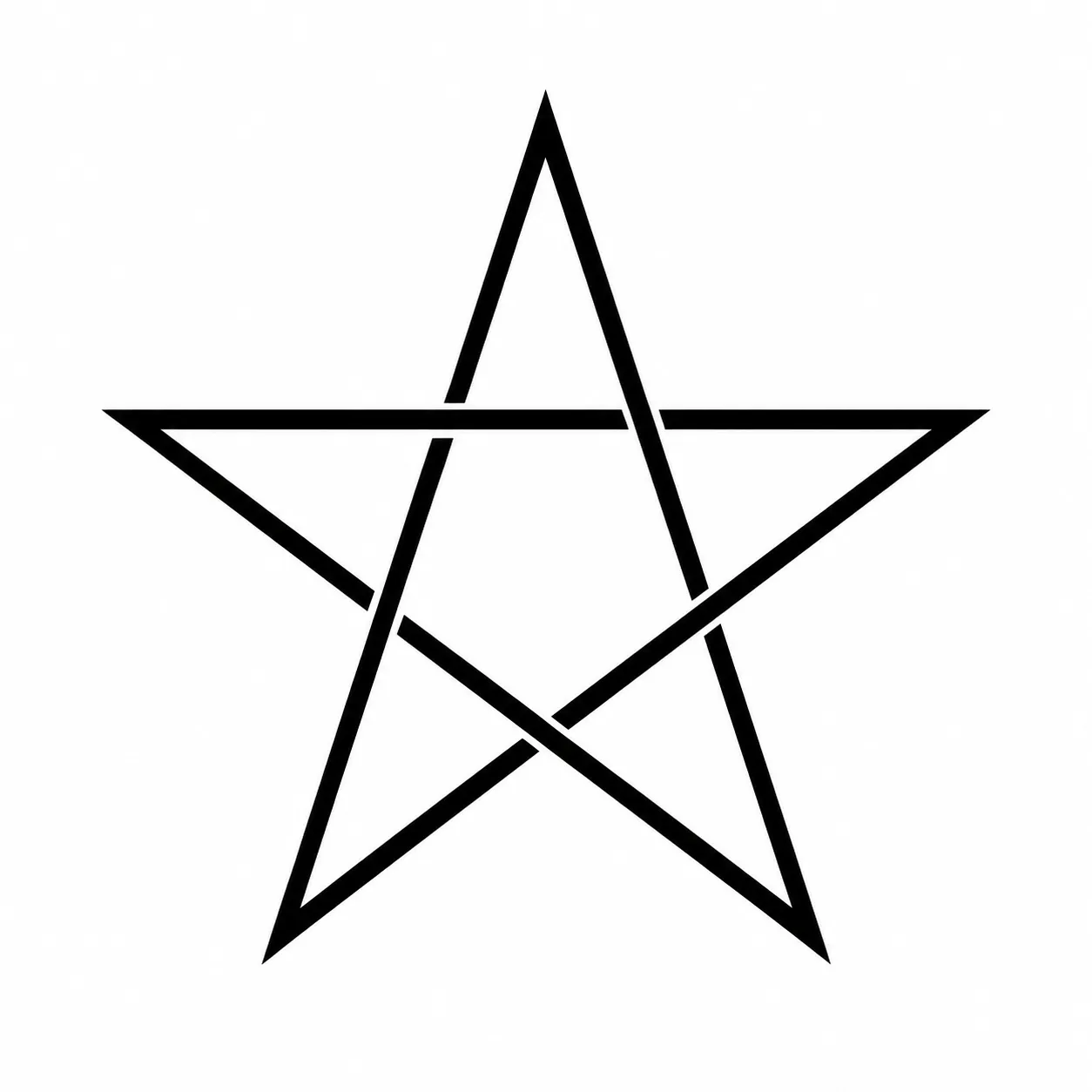
The shape matters more than the size. The five-point star reads as a classic symbol of protection and luck, and it's the safest pick when you just want something that looks good. The six-point star is easily mistaken for the Star of David, so choose it on purpose. The nautical star, with its alternating light and dark points, comes from seafaring and still stands for finding your way home and holding a course. Scattering several small stars tells a story about closeness and connection rather than pointing to one single symbol.
Which style suits a star tattoo?
Fine line is the evergreen: thin, even lines that make a star on the wrist look almost like it was drawn with a pen. Dotwork gives the same design depth, building the shape out of thousands of tiny dots – great for gradient starry-sky pieces. If you like contrast, go for blackwork with solid, saturated fills. Watercolor stars with soft bleeding color look fresh and alive, but they come with an honest caveat: those soft edges fade harder over the years than a clean black line.
Where should it go?
Small stars sit well wherever the skin stays calm: the wrist, the collarbone, behind the ear, or along the side of a finger. On fingers and feet, plan on a touch-up sooner, since the lines fade faster there.
Stars that are tricky in Germany
A star is rarely a problem, but a few versions carry political baggage. The red Soviet star, or stars tied to unconstitutional organizations, can be a criminal matter in Germany. The Star of David is also easily misread without a clear personal or religious connection. When in doubt, a quick chat at the studio before the needle touches down is worth it – a neutral five- or multi-point star is almost always fine.
FAQ
What does a star mean as a tattoo?
Most often the star stands for direction, hope, and remembrance. Historically the North Star helped with navigation, so it reads as a sign of finding your own way. As a memorial tattoo, a star often stands for one specific person.
What do 3-star tattoos mean?
Three stars are usually read as family or as three important people, like children or siblings. Some take them as past, present, and future. There's no fixed rule – you decide what they mean.
Is it okay to get a star tattooed?
Yes, a simple five-point or nautical star is completely fine. It only gets tricky with politically loaded versions like the red Soviet star. As long as you steer clear of unconstitutional symbols, there's nothing against it.
Which symbols are you not allowed to get tattooed?
In Germany, unconstitutional symbols are banned – the swastika, SS runes, or certain stars with a clearly extremist connection. An ordinary decorative star doesn't fall under that. If a design feels uncertain, ask at the studio first.
Where does a star tattoo look best?
The wrist, collarbone, nape, and the spot behind the ear are all popular, since small stars look subtle there. On fingers they look great but fade faster. Larger star pieces come into their own on the forearm or shoulder blade.