Fineline Tattoos: Planning a Fine-Line Design
Updated
A fineline tattoo uses delicate outlines and open space to create a design without relying on bold areas of ink. Whether you want a flowering branch, a moon or a word, the smallest details will help determine how small the design can be. No fine line can be guaranteed to look exactly as it did on the day it was tattooed. Choosing a suitable size and placement gives the details you care about room to remain distinct.
You might also like:Small Tattoo Ideas and Placements · Fine Line Lettering Tattoos: Ideas and Readability · Finger Tattoos: Designs That Fit
Templates & examples
Create your own design
Describe your idea, pick a style – the AI creates one-of-a-kind tattoo designs in seconds.
Tools for your tattoo design
What makes a tattoo fineline?
Fineline tattoos use thin, precise lines and restrained areas of ink. Shapes often emerge from just a few outlines rather than a bold border, though some designs include light shading. Fineline describes a style, not a fixed size: a single star and a long branch along the arm can both be fineline designs. Artists use small needle configurations to create fine lines. A single needle is one option, but it is not essential for every design. Delicate work still calls for experience, and irregularities can be easy to see in a long, smooth outline. Look at healed photos of similar tattoos as well as fresh work to get a more realistic sense of how the lines and small spaces may look later.
Three designs and what their shapes need
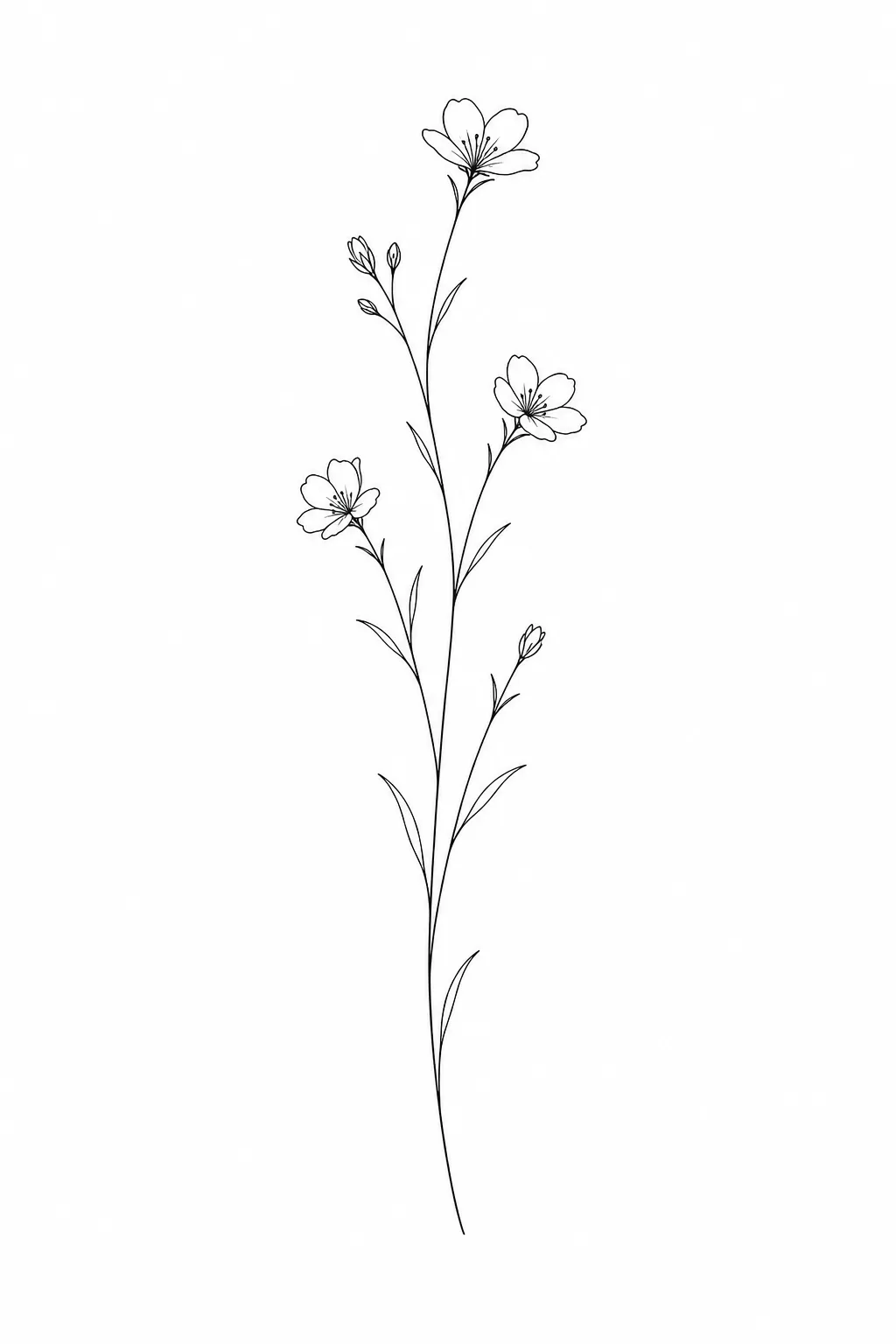
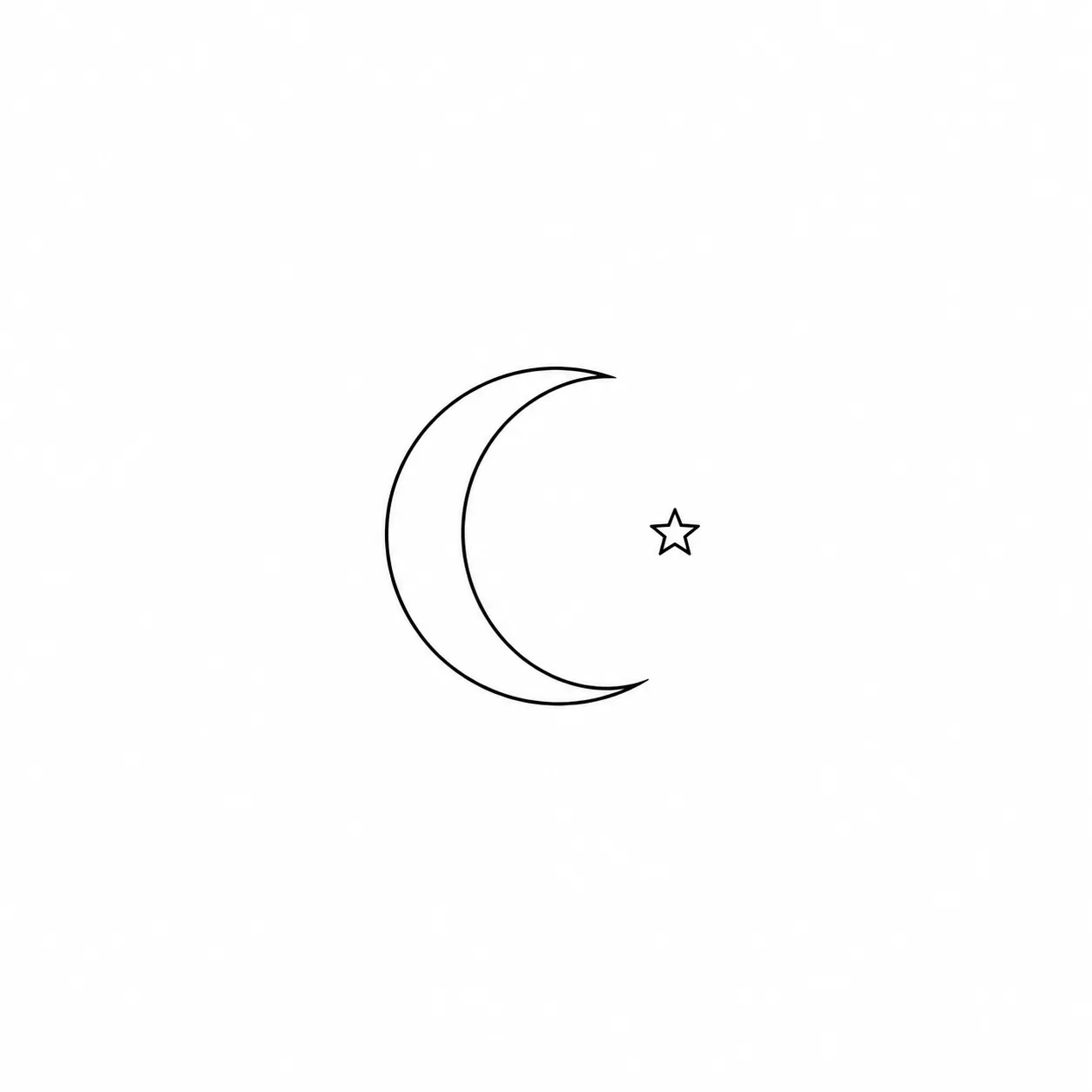
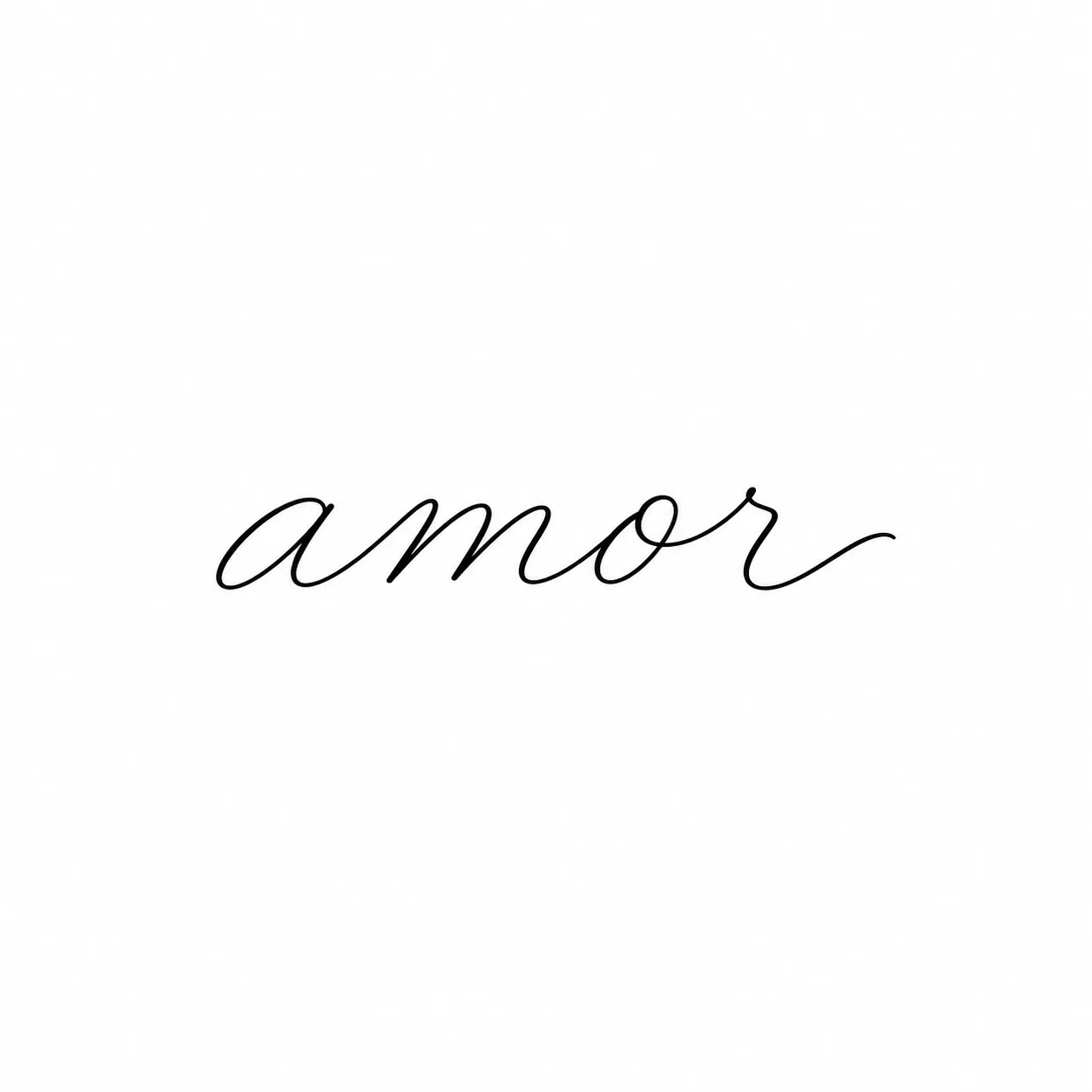
A flowering branch, a moon and a word each need a different approach. A branch looks delicate when there is open space between its stem, buds and leaves. A crescent needs a clear shape, with enough separation between its tips and the small star. In the word “amor”, the connections between letters contribute to the design, but tight loops can make it harder to read. Decide which detail you most want to keep: perhaps a particular bud or a curved connection between letters. Other elements may be simplified if you want a smaller tattoo. These three examples offer different shapes to consider: elongated, compact and written.
These three designs were created with the Inkspira AI tattoo generator.
How much room do the details need?
The tightest part of a design often determines how small it can reasonably be. In lettering, that might mean the spaces inside letters or between loops; in a flower, it could be closely spaced petals. If these areas are reduced too far, the lines may eventually appear to run together. Compare two versions at your intended size: one with every detail and one with fewer interior lines. Check whether you can still recognise the shape without zooming in. Making the tattoo larger is one option, but removing a leaf vein or spacing letters further apart may also help. The measurements below are planning examples, not guaranteed minimum sizes. The final result depends on the design and your skin.
| Design | Possible size | Placement | Detail to consider |
|---|---|---|---|
| Flowering branch | 6–10 cm | Forearm | Space between buds |
| Moon and star | 3–5 cm | Upper arm | Space around star |
| Short lettering | 5–8 cm | Forearm | Open letter loops |
| Simple symbol | 2–4 cm | Upper arm | Clear outer shape |
Which placement suits the shape?
Choose a placement that gives the design room and fits your daily life. An elongated branch can follow the forearm, while a compact moon needs less length. Around the wrist, consider the creases where the skin bends and any rubbing from a watch or bracelet. Fingers and hands see more wear and can be more challenging for very fine details. Check the position while sitting and standing. As your arm turns, the way a word reads can change too. A photo of the area with a scaled overlay can help you compare positions. Before the tattoo is applied, agree on the transfer and final orientation, and ask to see how the placement looks when you move.
How should you judge fresh and healed lines?
A fresh photo cannot reliably show how fine a line will look after healing or over the years. Immediately after tattooing, redness and excess ink can affect its appearance. The skin’s surface changes during healing; later, lines may soften or delicate areas may lose contrast. It is impossible to predict when or how noticeably that will happen to an individual tattoo. When comparing an artist’s work, look for healed photos of designs with a similar size and placement. Ask how long after the appointment each photo was taken, and check whether leaves or letters remain distinct. A touch-up may be an option for patchy lines, but it will not automatically restore space to a design planned too densely. Discuss a possible check and its cost beforehand.
How do you prepare for an appointment?
Send the studio a design image, your preferred size in centimetres and a photo of the placement. Explain which detail you want to keep and whether you are flexible on size. This gives the artist information to assess whether the design needs adjusting. Ask whether a possible touch-up is included in the price and when it can be assessed. In Germany, a small, simple design might cost roughly €80–€200; larger or more intricate work can cost more. Studios often charge a minimum even for small tattoos because preparation and materials are involved. Eat before your appointment and follow the preparation instructions. If you take medication or have health concerns, speak to a medical professional and do not stop prescribed medication on your own.
FAQ
How long does a fineline tattoo last?
A fineline tattoo is intended to be permanent, but its lines are not guaranteed to stay unchanged. They may look softer or paler over the years. Size, spacing, placement and skin all affect how clearly the design can be seen later.
How small can a fineline tattoo be?
A simple symbol can work at just a few centimetres. Lettering and flowers need more room for interior spaces and closely spaced lines. There is no fixed minimum size that suits every design.
Does a fineline tattoo hurt?
Yes, fine lines are tattooed into the skin with needles and can hurt. Thin lines do not guarantee a less painful appointment. Placement, duration and your own sensitivity all play a part.
How much does a fineline tattoo cost in Germany?
A small, simple design may cost roughly €80–€200 in Germany. A studio minimum may apply even if the tattoo takes very little time. Size, detail and placement can increase the price, so ask for a specific quote before your appointment.
Do fineline tattoos fade faster?
Fine lines can lose contrast and may become less distinct sooner than bold lines. It is not possible to predict exactly how an individual tattoo will change. Allowing enough space between lines helps keep small shapes legible.
How long does a fineline tattoo take to heal?
Visible healing often takes several weeks, while full recovery can take longer. Even a small tattoo is an injury to the skin. Follow the aftercare instructions and seek medical advice if redness increases, pain is severe or you notice other concerning symptoms.