Tattoo Ideas: Finding a Design That Fits
Updated
A tattoo idea works best when you like both the image and how it fits the space you have in mind. An anchor may look clear on a studio sketch, for example, but its rope can become hard to distinguish when the design is reduced to wrist size. Whether you prefer a delicate branch, a nautical symbol or a colourful animal, compare more than the pictures themselves. Consider how much room the details need and how the design will sit on your chosen body part.
You might also like:Tattoo Designs: Ideas for Your Next Tattoo · Fineline Tattoos: Planning a Fine-Line Design · Small Tattoo Ideas and Placements
Templates & examples
All topics in this collection
 Tattoo Designs: Ideas for Your Next Tattoo
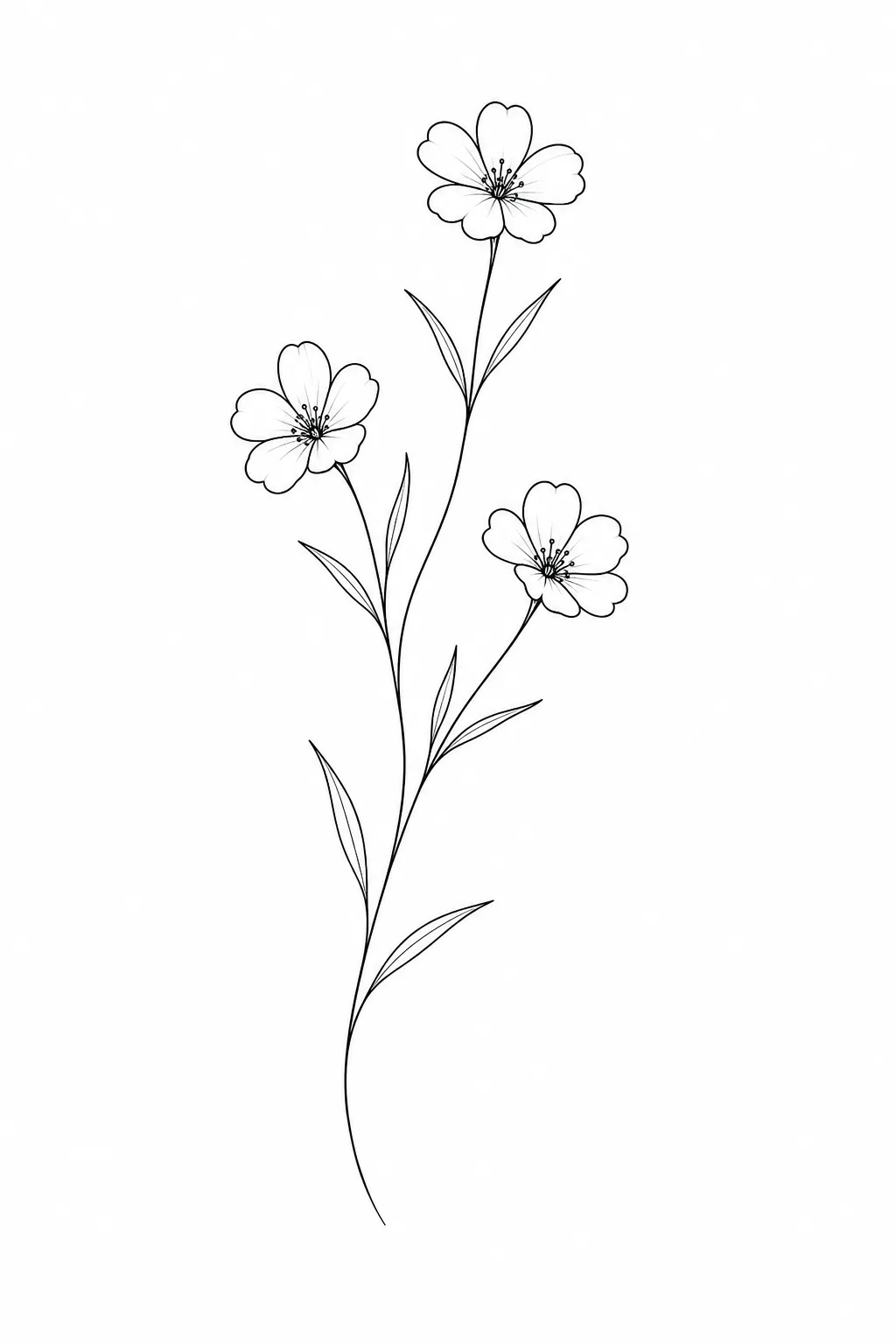 Tattoos for Women: Designs, Placements and Sizes
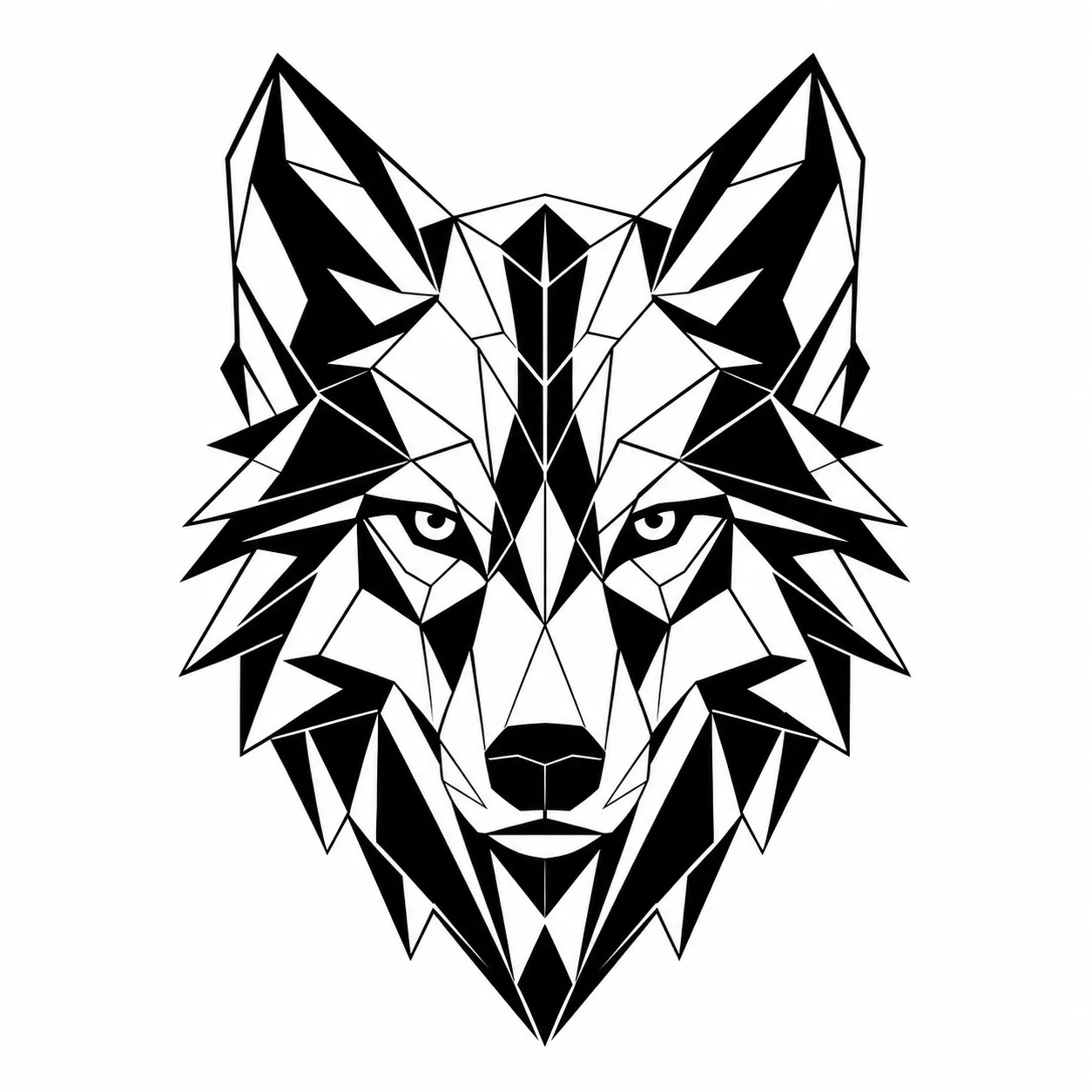 Tattoos for Men: Designs, Placement and Planning
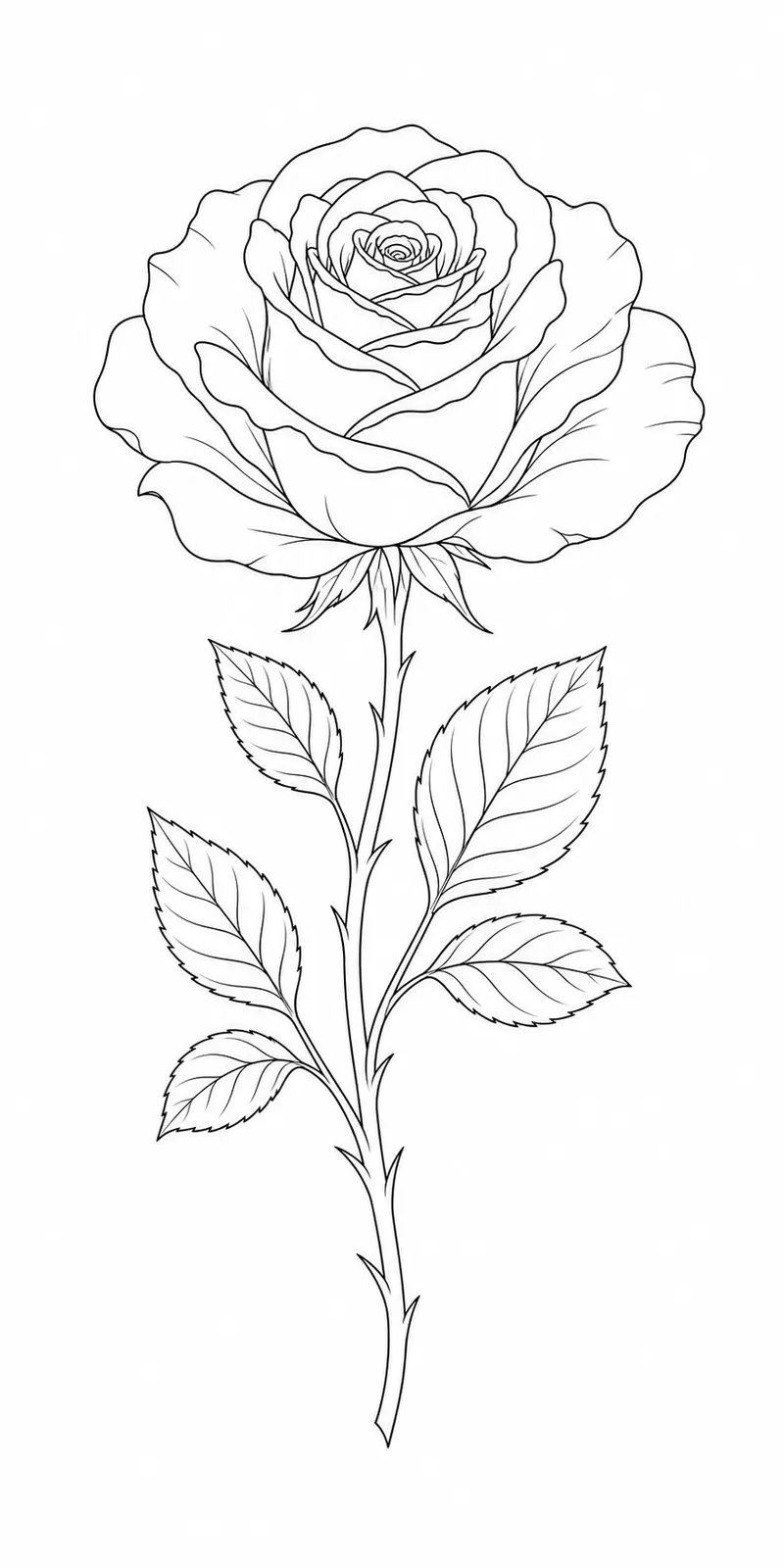 Tattoo Designs: Ideas for Your Tattoo
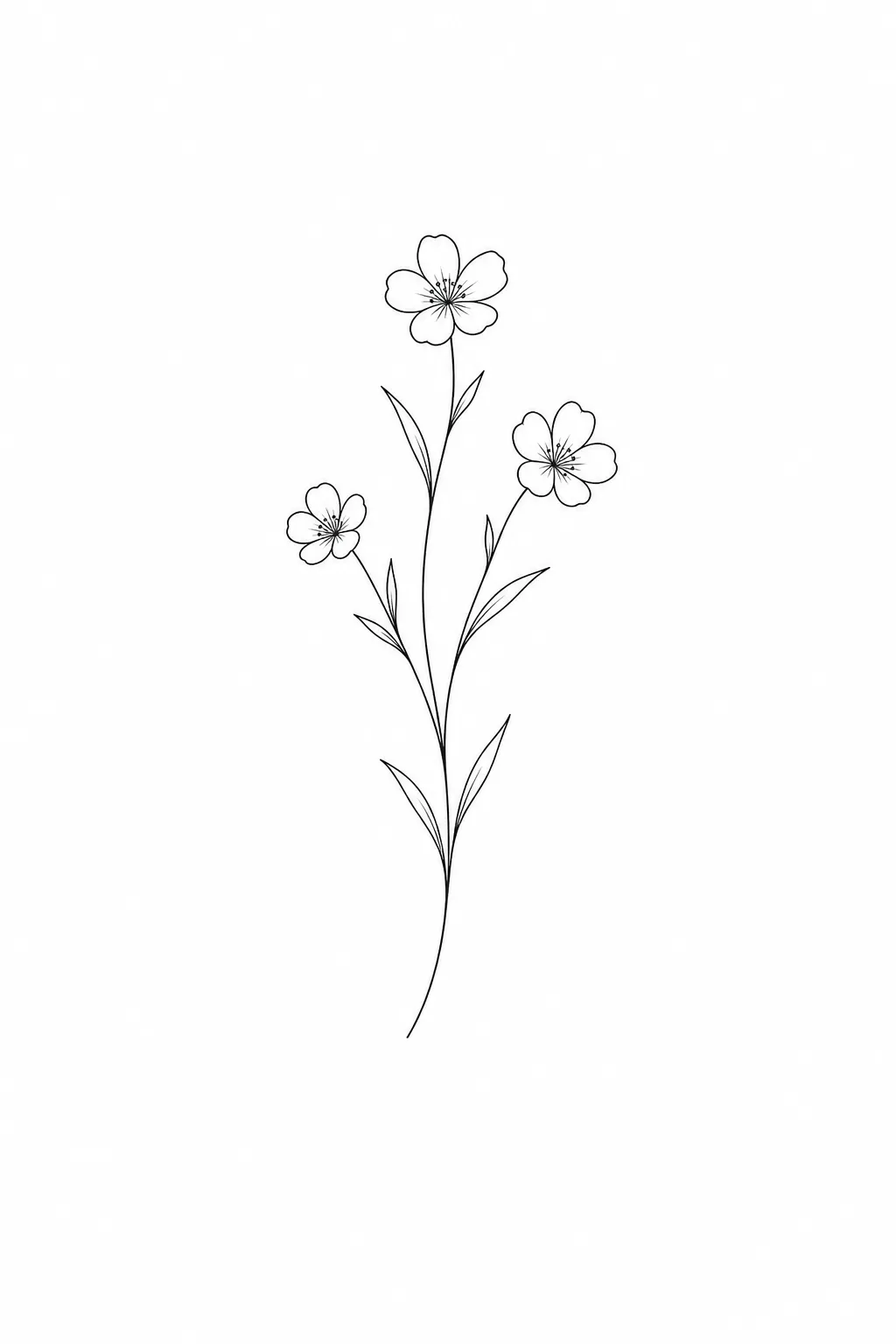 Two-Week Tattoos: Try a Design Temporarily
 Tattoos for Women Over 50: Ideas and Planning
 Chest Tattoos for Women: Designs and Placement
 Subtle Tattoos for Men: Design and Placement Ideas
Create your own design
Describe your idea, pick a style – the AI creates one-of-a-kind tattoo designs in seconds.
Tools for your tattoo design
Ideas for Different Tastes
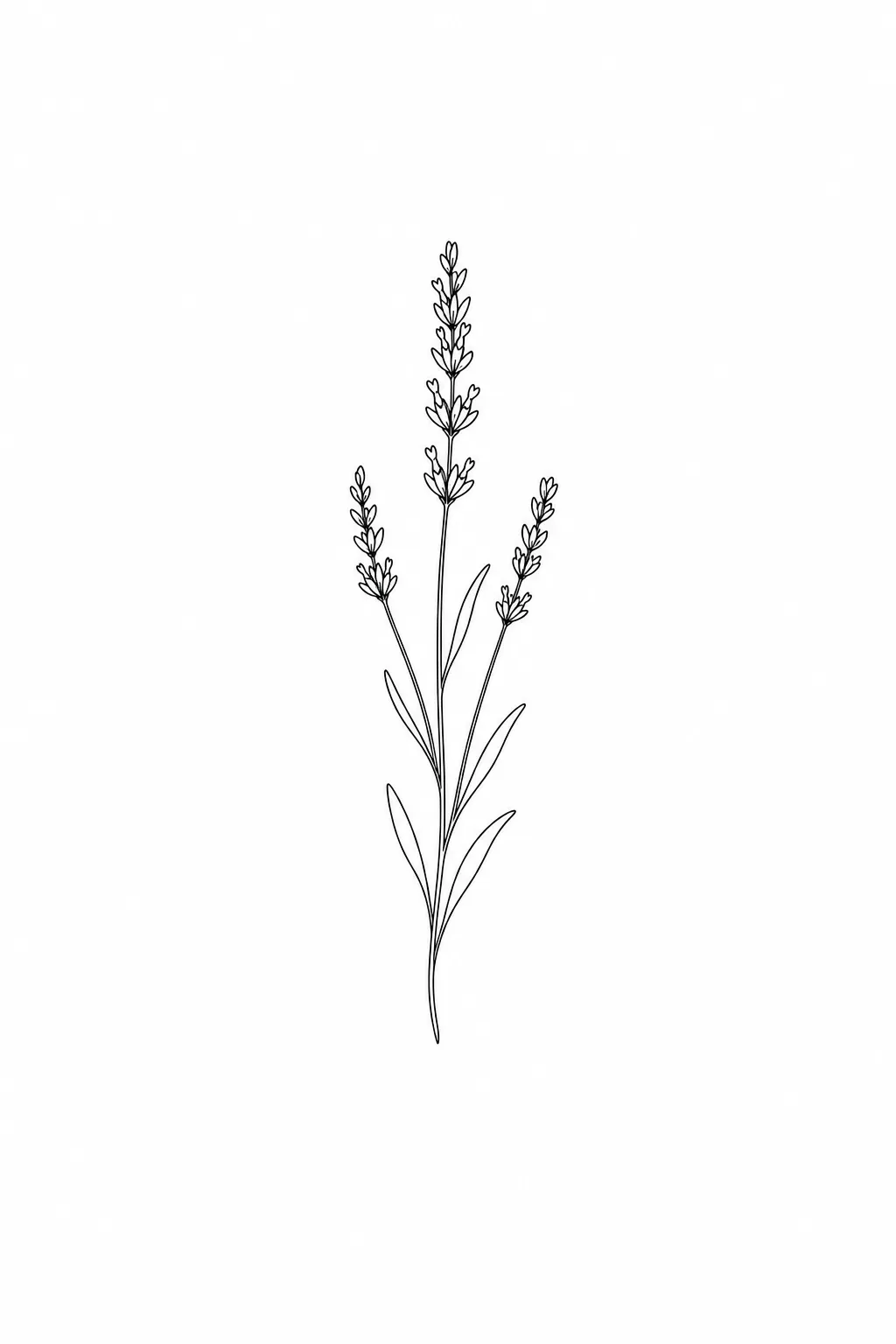
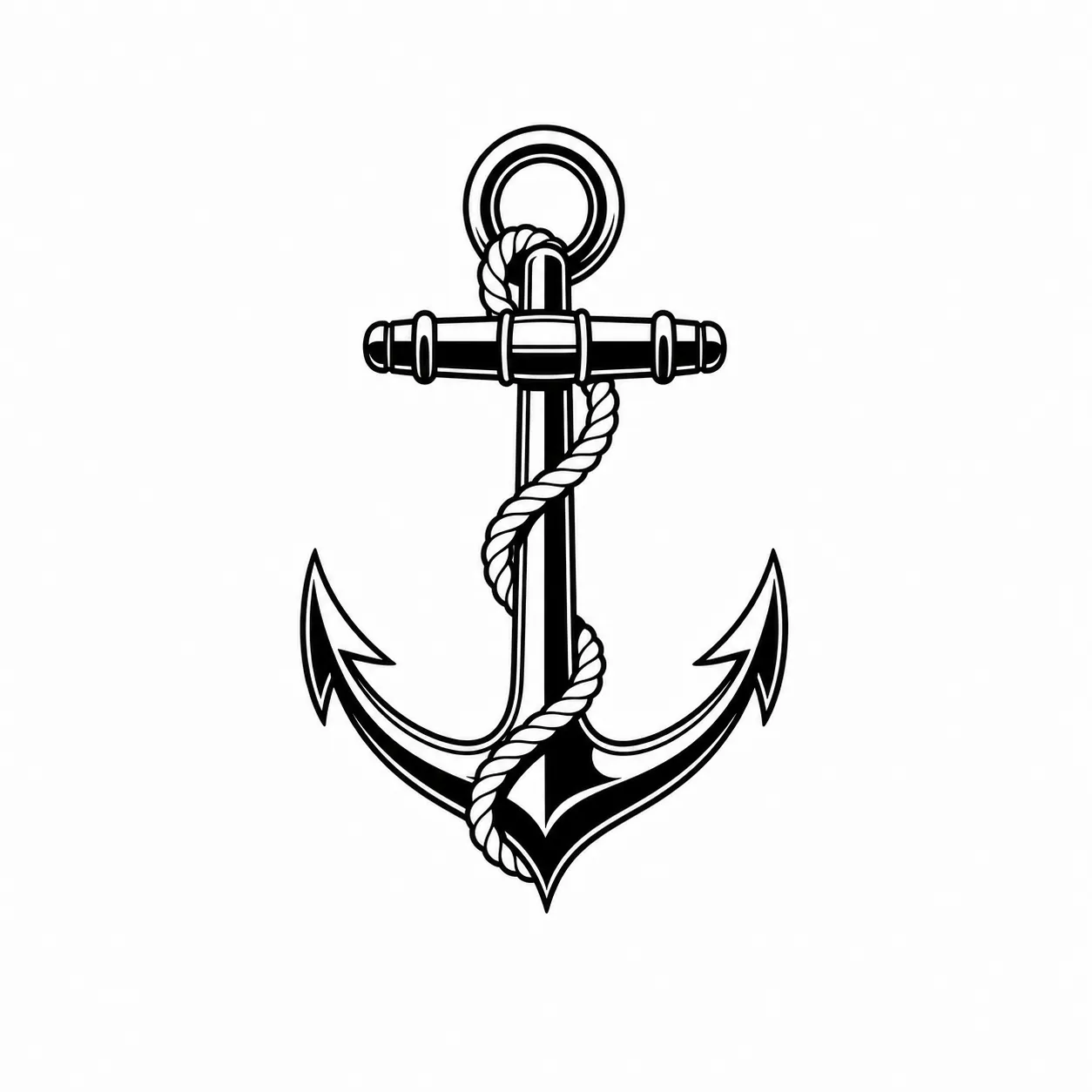
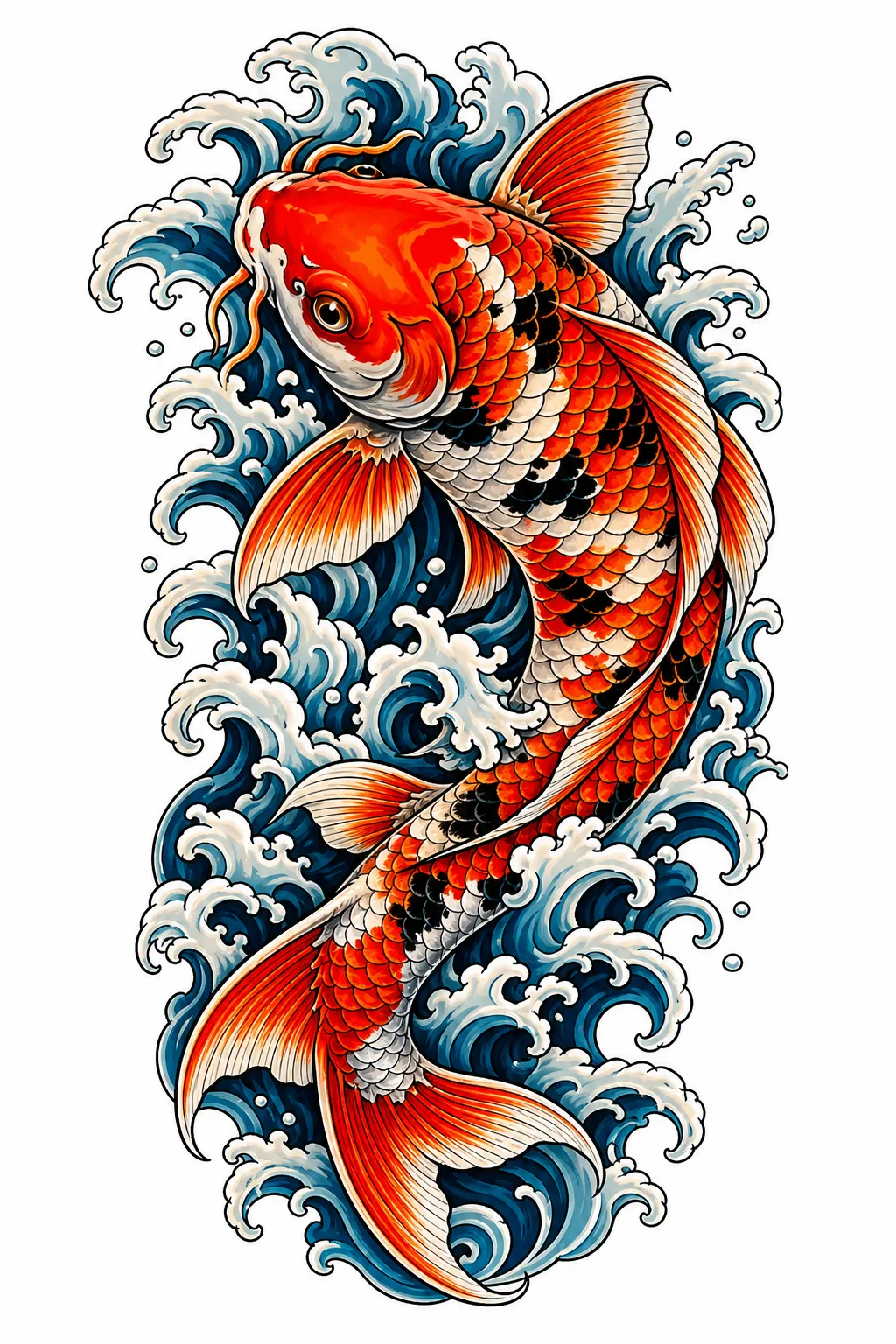
A tattoo can be as simple as a single branch or as detailed as a colourful scene. A slender sprig of lavender has a quiet appearance and can run along the forearm or sit above the ankle. An anchor and rope have a nautical feel, while bolder outlines bring out the design’s classic character. A koi among waves offers movement and colour across a larger area. Lettering, geometric shapes and animal portraits can also form the basis of a design. You don’t have to choose a motif according to your gender or attach a story to it. If meaning matters to you, start with something specific, such as a plant from your childhood garden or an object that reminds you of a journey.
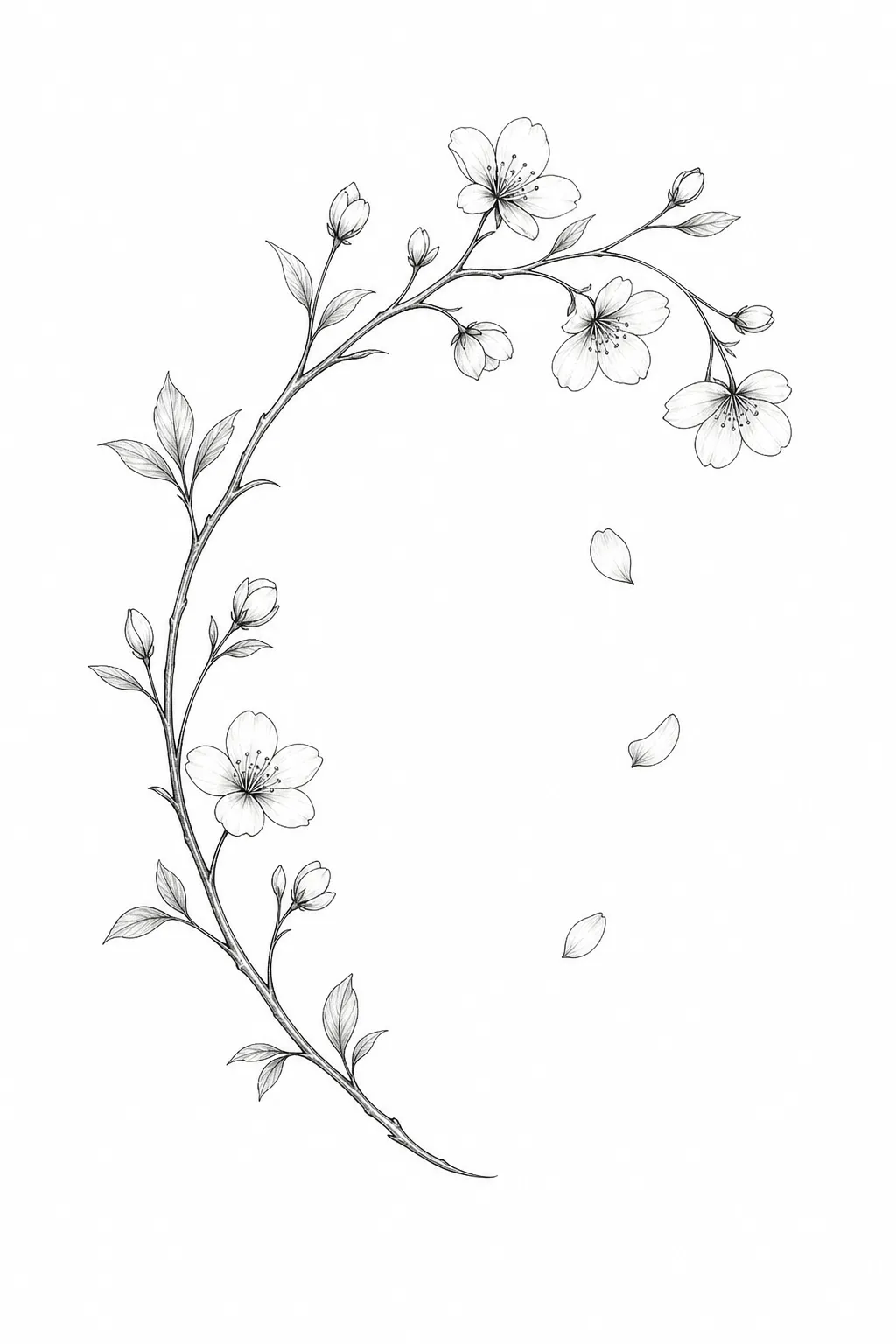
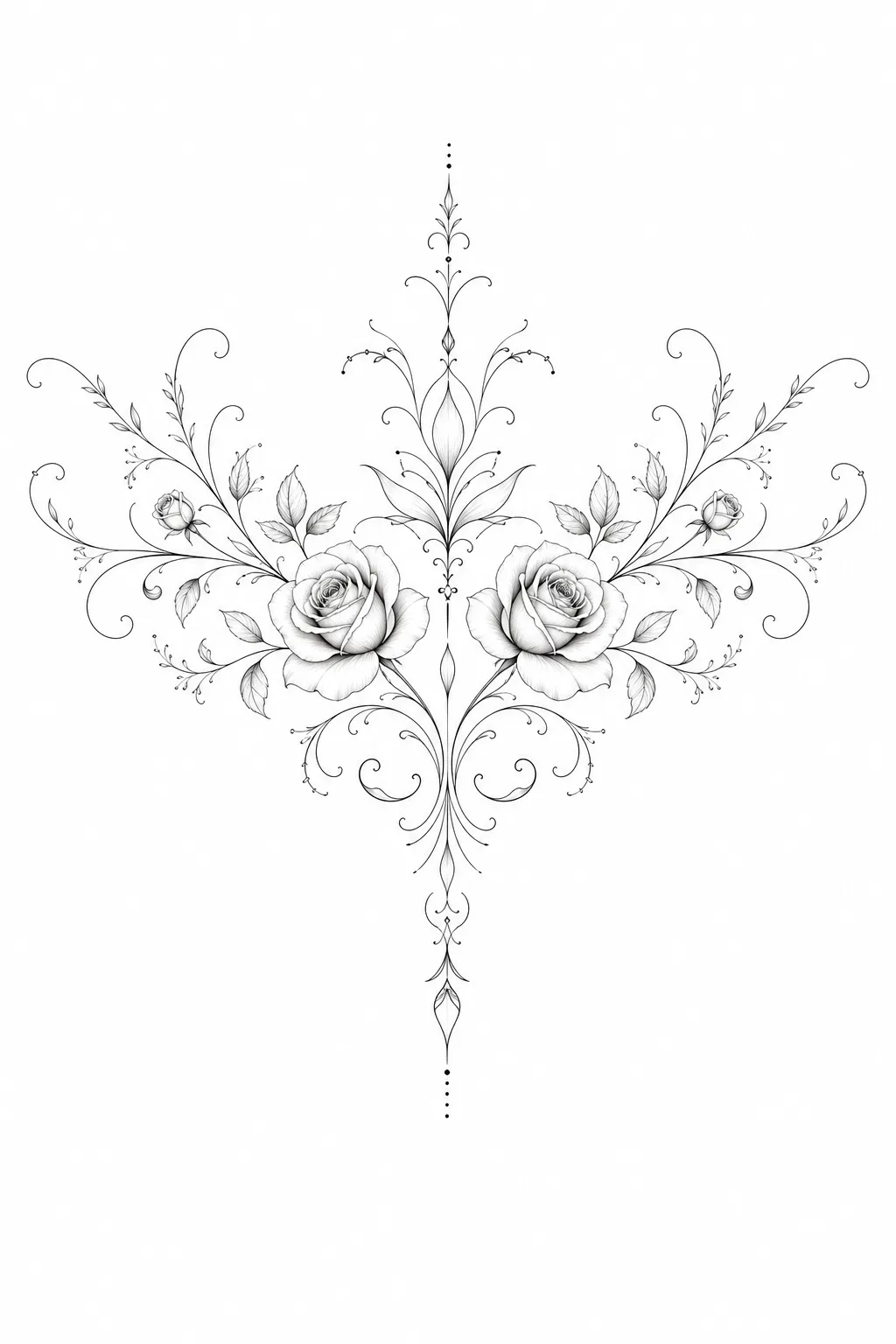
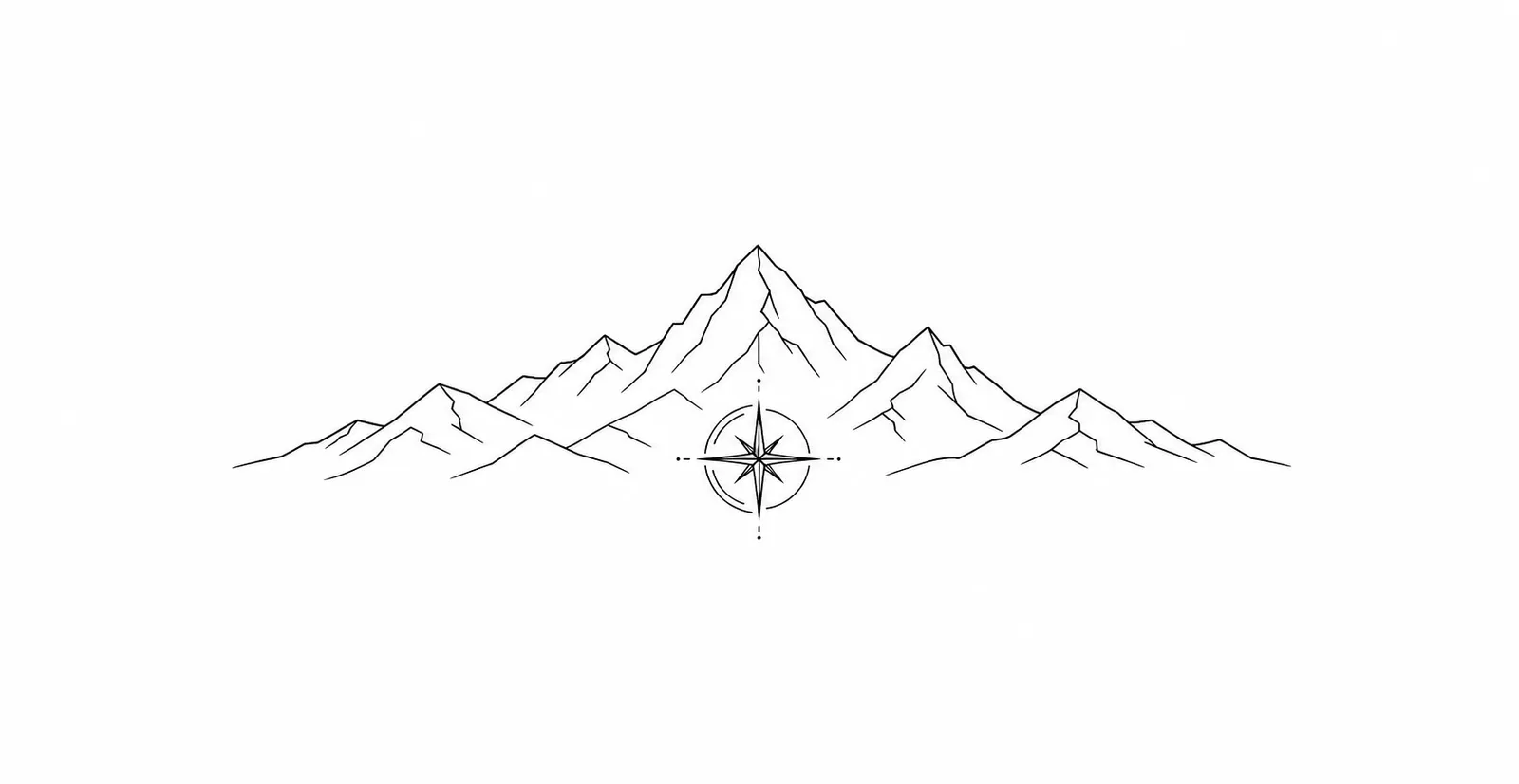
These three designs were created with the Inkspira AI tattoo generator.
How Much Space Does a Design Need?
A design needs enough space for its main shapes and gaps to remain distinct at the intended size. A single branch can work with fewer details than a koi with scales, fins and waves. The sizes below are a starting point; the shape and level of detail may make a different size more suitable. At around 5 cm, a branch can show individual leaves, but tiny flowers may end up crowded together. A 15 cm koi offers more room for the fish and surrounding waves without necessarily showing every scale. For each detail, ask whether you would still recognise the motif without it. This can help keep the design clear from a normal viewing distance.
| Motif | Possible size | Suitable placement | What to consider |
|---|---|---|---|
| Lavender sprig | 5–8 cm | Forearm, ankle | Space between leaves |
| Anchor and rope | 7–10 cm | Upper arm, calf | Keep rope details simple |
| Koi and waves | 15–25 cm | Upper arm, thigh | Room for fish and water |
| Short lettering | 5–10 cm | Forearm, collarbone | Open letter shapes |
| Geometric symbol | 6–10 cm | Upper arm, calf | Space between lines |
Fit the Design to Your Body
Placement affects how much of a tattoo you can see at once. Both sides of a design are visible on a flat sketch, but one side may disappear around a curved forearm. A long branch can follow the direction of the arm, while a wide design with many separate elements needs enough space to avoid wrapping too far around it. Look at the area with your arm relaxed and then bent. Do you want an anchor to appear upright from the front, or to face you when you look down? Each choice calls for a different orientation. A koi can follow the length of an upper arm or thigh. Leave some flexibility around joints, too: a straight line looks different over a bend than on a flatter area.
Check Whether the Design Reads Clearly
The clearest way to judge a design is to view it at its intended size and from a little distance. Open the image on your phone and adjust it to roughly the width you want. Can you still follow the rope around the anchor? Does the koi stand out from the water? If several lines merge into a dark patch, consider making the design larger or removing some detail. Look at the light spaces within the image as well. They separate details such as loops of rope or individual petals. Lines can change somewhat over the years, so very narrow gaps leave little room for that change. A photo overlay can also help you see how the design occupies the area, although a preview cannot replace adapting it to your actual skin and body shape.
Choose a Style and Colour
Style determines whether a motif feels delicate, graphic or more like a picture. A fine-line anchor might use just a few thin outlines, while a traditional version is more likely to have bold outlines and clearly defined areas. An orange and blue koi will have a different effect from one in black and grey. Look at how the lines, shading and areas of uncovered skin work together, as well as at the motif itself. Photos of healed work in your chosen style can help you decide, since fresh tattoos often look different once healed. Compare designs of a similar size where possible. A detailed back piece tells you little about how the same style will look across a few centimetres. For very small lettering, open, distinct letters are more practical than tightly packed flourishes.
Turn Your Favourite Image Into a Studio Enquiry
A useful studio enquiry gives the motif, placement and approximate size in centimetres. You could write: “An anchor with a loosely arranged rope, in black, about 8 cm high, on the outside of my upper arm.” Explain what you like about the image, whether that is the anchor’s shape, the line weight or the arrangement of the rope. A photo of the area can show the available space and any existing tattoos. Mention which changes you are open to as well. You might be happy to simplify the rope while keeping the shape of the anchor. In Germany, a small, simple tattoo of around 5 cm can cost approximately €100–€200; the detail involved and the studio affect the price. Ask for a quote for your particular design and check whether there is a separate design fee.
FAQ
What tattoo is right for me?
Choose a design whose shape and appearance you like and that has enough room at your chosen placement. Collect two or three images and note what appeals to you about each one, such as the lines, colour or motif. That will make your idea easier to describe.
Does a tattoo need to have a meaning?
No, you can choose a tattoo simply because you like how it looks. If you want to represent a memory or thought, a familiar object may feel more personal than a symbol chosen only for its commonly assigned meaning.
What small tattoos can have a personal meaning?
A small heart, a date or a single branch can represent a personal memory. Keep the design to a few clear elements, and make sure any numbers or lettering are legible at the intended size.
Where is a good place for a first tattoo?
The upper arm and calf offer a relatively spacious area for a manageable design. Think about how visible you want the tattoo to be in everyday life and whether you would like room to add to it later.
How much does a small tattoo cost in Germany?
A small, simple tattoo of around 5 cm may cost roughly €100–€200 in Germany. An intricate design or special requirements can cost more. Give the studio your motif, size and placement to get a specific quote.
How long does a tattoo last?
A professionally applied tattoo is generally permanent, although its appearance can change over time. Very small gaps and fine details may become less distinct. Ask the artist what size makes sense for your design before your appointment.