Tattoos for Men: Designs, Placement and Planning
Updated
A tattoo does not have to be large or dark to make an impression. A small piece of lettering or a single fine line can be just as striking when the design suits its placement. You might be considering an animal on your upper arm, a chest piece or something discreet that stays beneath a T-shirt. Compare size, visibility and detail as well as the design itself: an image that looks good on screen still needs enough room on your skin.
You might also like:Tattoo Ideas: Finding a Design That Fits · Subtle Tattoos for Men: Design and Placement Ideas · Fineline Tattoos: Planning a Fine-Line Design
Templates & examples
Create your own design
Describe your idea, pick a style – the AI creates one-of-a-kind tattoo designs in seconds.
Tools for your tattoo design
Choosing a design
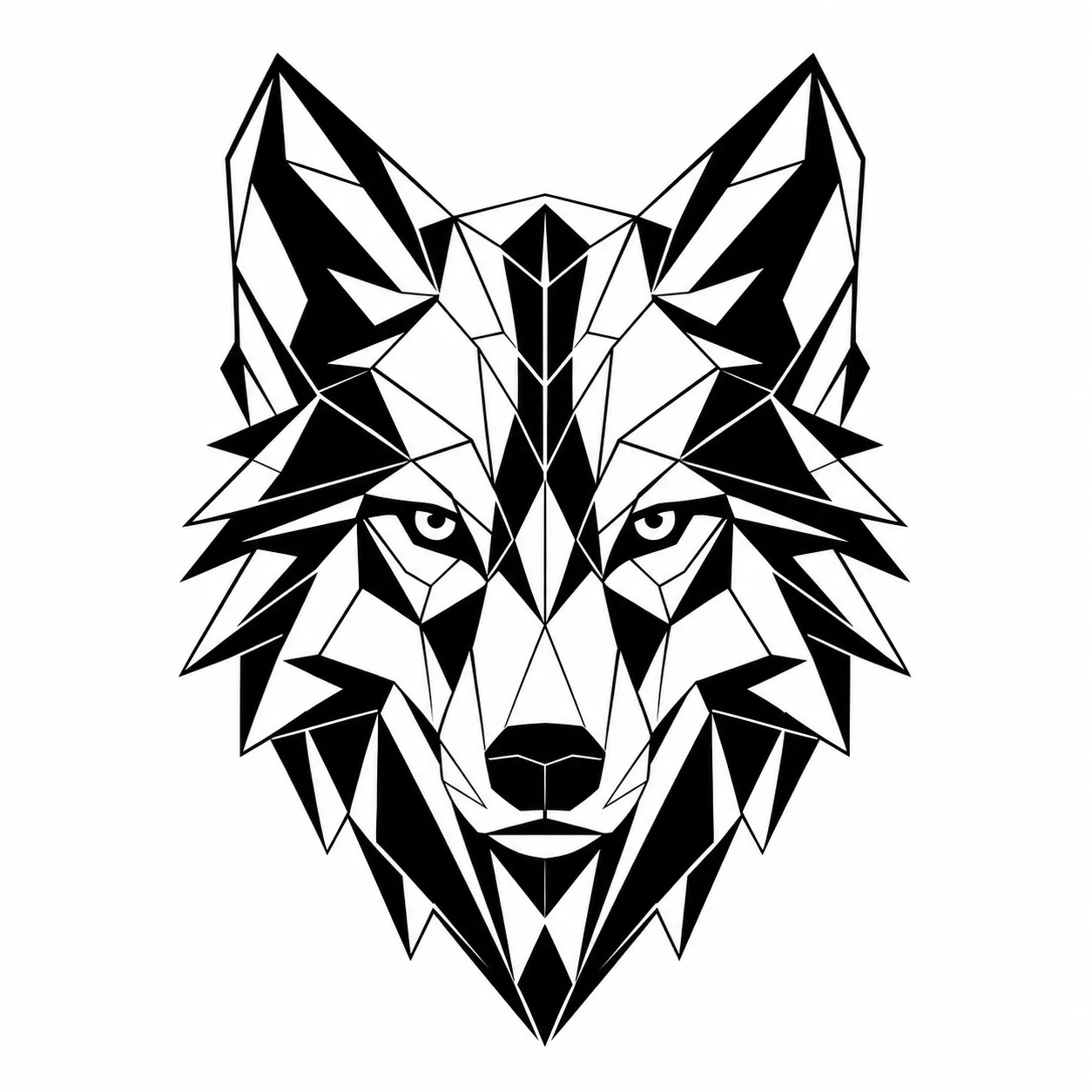
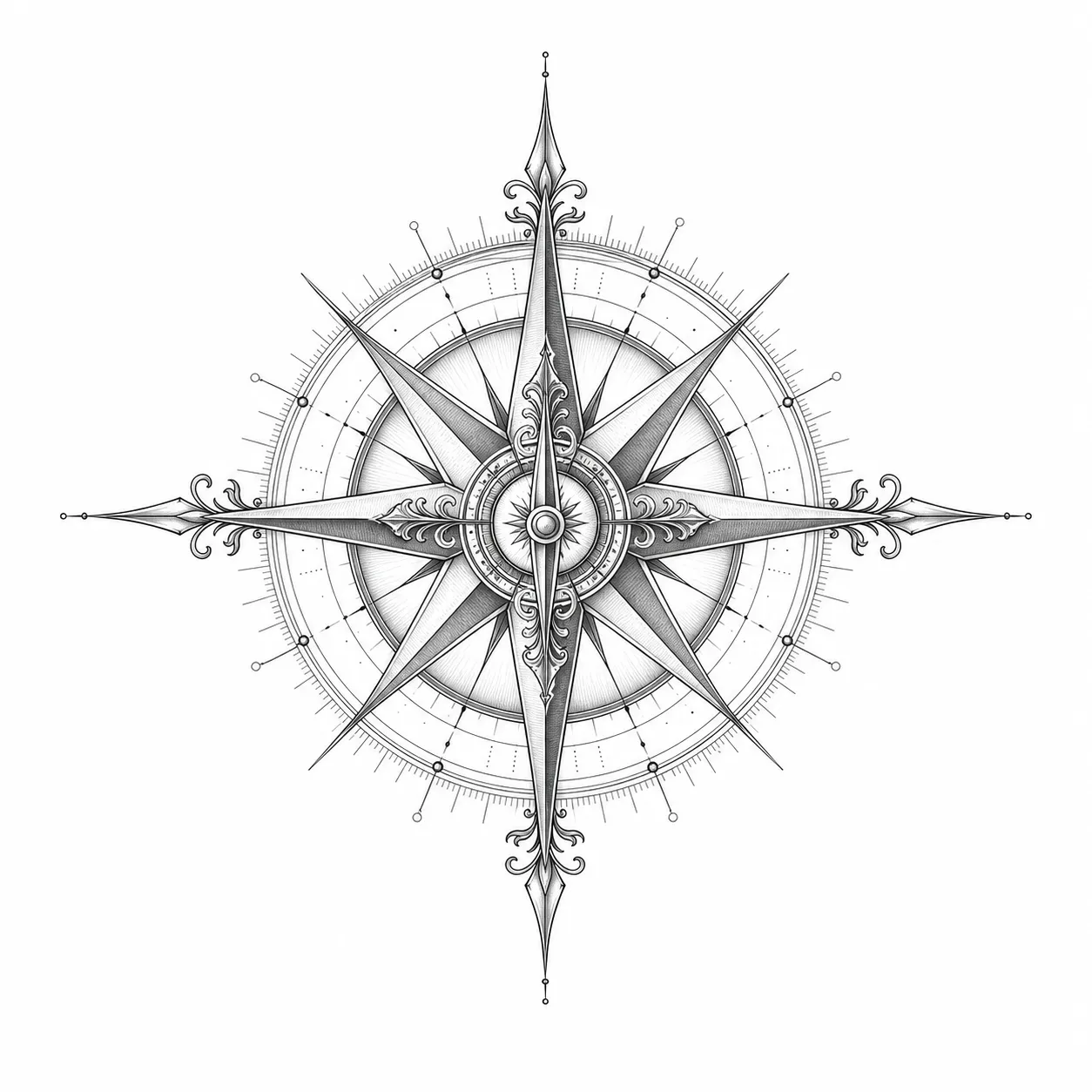
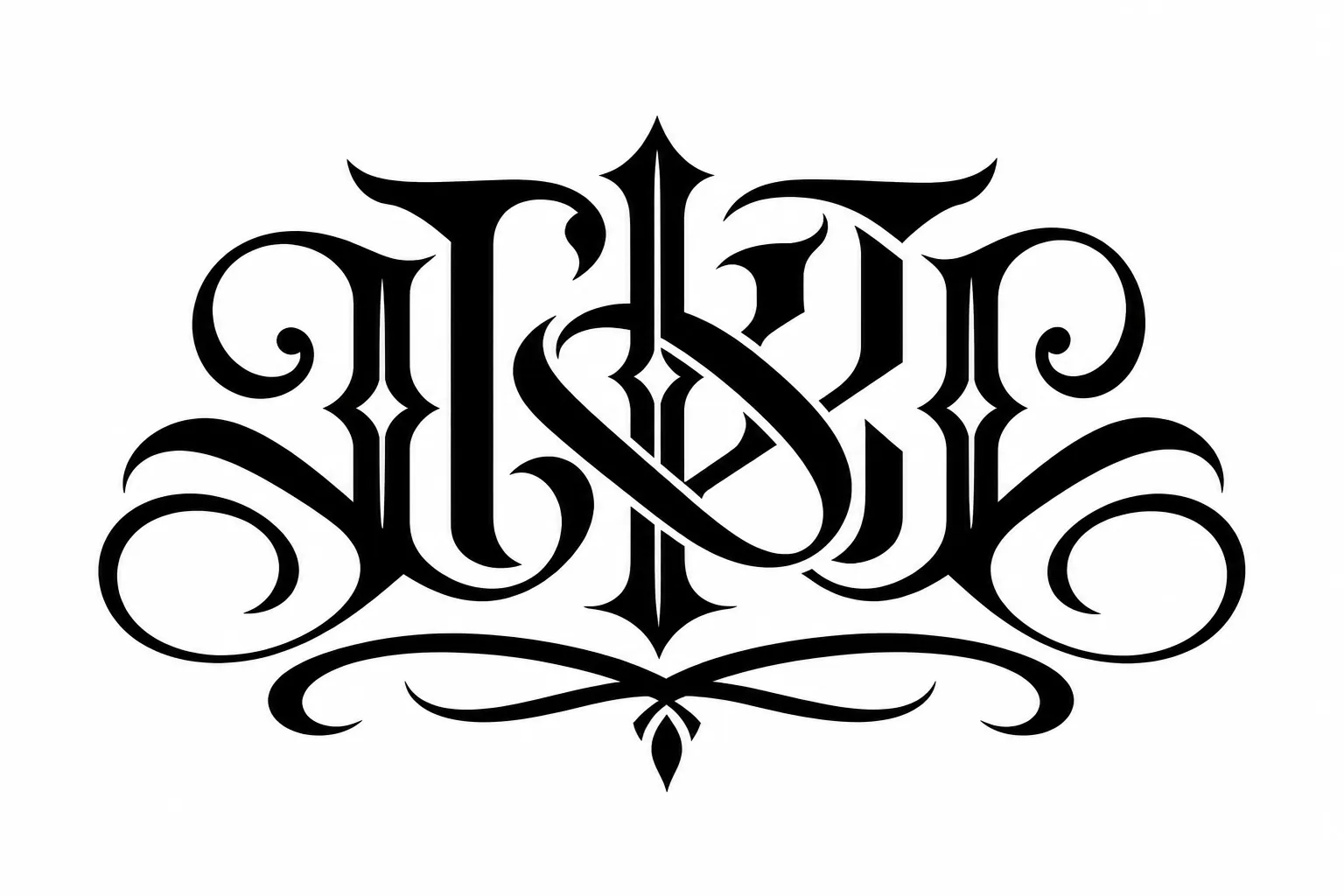
Animal heads, compass roses, lettering and simple nature motifs all offer clear shapes to build around. A wolf could have angular features and bold areas of black, or softer black-and-grey shading. A compass provides a circular composition, while lettering follows a longer, narrower space. Mountains or a single branch can work with fewer details. Think about what you want someone to recognise from a few steps away. If the animal should stand out first, give its eyes, muzzle and outline priority over a forest or mountain background. For a family piece, a date or handwritten phrase might be the focus. Research religious and culturally significant symbols before choosing them; their origins and uses can carry meaning beyond decoration.
These three designs were created with the Inkspira AI tattoo generator.
Choosing a placement
The upper arm and calf can be covered by clothing, while a forearm tattoo is more likely to be visible day to day. On the outside of the upper arm, a design follows the curve of the shoulder; on the inside, it is most visible when you raise your arm. The visible area of the forearm changes as you turn your hand, and a wide image may wrap around it so that you cannot see the whole design at once. The table gives rough German prices for individual pieces, not fully tattooed areas. Complex shading or additional sessions can cost more. Measure the space on your own body: a 15 cm design can sit quite differently from one arm to another.
| Placement | Design size | Price in Germany | Visibility |
|---|---|---|---|
| Forearm | 10–15 cm | €200–€600 | Often visible |
| Upper arm | 10–15 cm | €200–€600 | Can be covered by a T-shirt |
| Calf | 10–15 cm | €200–€600 | Can be covered by trousers |
| Chest | 15–25 cm | €400–€1,000 | Can be covered by a top |
| Back | 15–25 cm | €400–€1,000 | Can be covered by a top |
Checking a design on curved skin
Look at the design from different angles and in several positions before settling on its placement. Photograph your relaxed arm from the front and side, then use a photo overlay to get a sense of the size and position. An overlay can only show so much about how skin moves, so hold a template at the intended scale against the area and move your arm too. For a face, check whether both eyes remain visible from the angle you have in mind. A compass rose may wrap around the side of your forearm; if you want to see the full circle at once, it needs a suitably wide area. Check an upper-arm design with your arm raised and lowered. Mark where any existing tattoo begins and how much space you want between the pieces.
Keeping lettering and details readable
Lettering and delicate designs need open space between their elements so the shapes remain distinguishable over time. That matters particularly with an ambigram, where letters are often intertwined and intended to be read in more than one orientation. Read the design in both intended directions, then ask someone else to read it without telling them the word first. Shrink the template to the size you plan to have tattooed. If the spaces inside letters disappear or compass needles and numbers merge, a larger design or a simpler drawing may help. Several words usually need more room than a single symbol. Check spelling, special characters and the date format on the final template; an attractive typeface cannot undo a typo.
A standalone piece or a future sleeve?
A standalone tattoo can look complete on its own while leaving room for a sleeve later. If you might want to extend it, decide which areas should stay clear before your appointment. A large wolf on the outside of your upper arm could become the focal point; placed very close to the shoulder or elbow, it leaves a tighter space for connecting other designs. On a photo of your whole arm, sketch roughly where the existing or planned piece ends. Consider whether future additions should share its linework and contrast, or whether you prefer separate images with their own space. Bare skin between tattoos is a design choice and does not have to be filled. A full sleeve in Germany can cost roughly €1,500–€5,000 and require several sessions, so plan the process together in advance.
What to include in your studio enquiry
Tell the studio what you want, where you want it and the approximate size, and include a photo of the available skin. Say whether you prefer bold blackwork, fine lines or black-and-grey shading. If there is an existing tattoo nearby, include it in the photo so the artist can see the available spacing and possible transitions. A reference image can show the direction you have in mind; the design can then be adapted to your body. Ask about the price range, any deposit and how changes to the design are handled. Look through the artist's portfolio for work in your chosen style, including healed tattoos where possible. If sports equipment or tight clothing will rub against the area, discuss how to protect the fresh tattoo while it heals.
FAQ
What tattoo design is right for me?
Choose a design whose shape you like and that you will be comfortable wearing in its chosen position. A geometric animal looks different from fine lettering, even when both take up the same space. Compare designs at their intended size and consider how visible you want them to be day to day.
Where should I get my first tattoo?
The upper arm and calf are good options if you want to cover your first tattoo with clothing when needed. The forearm is easier for you to see, but it is also more noticeable when you wear short sleeves. Choose an area with enough room for your design.
How much does a tattoo cost in Germany?
An individual design measuring around 10–15 cm costs roughly €200–€600, while larger pieces of around 15–25 cm often cost €400–€1,000. A full sleeve may cost approximately €1,500–€5,000. The complexity of the drawing and number of sessions affect the final price.
How painful is an arm tattoo?
Pain varies across the arm, and many people find areas near the elbow and on the inside of the arm more uncomfortable. The length of the session and how you feel that day also play a part. Agree on how you can take breaks before the session begins.
How long does a tattoo last?
A tattoo is generally permanent, but it changes over time: lines can soften and colours can fade. Sun and frequent friction put additional wear on tattooed skin. Giving small lettering and closely spaced details enough room can help their shapes remain recognisable for longer.