Subtle Tattoos for Men: Design and Placement Ideas
Updated
A small tattoo isn’t automatically discreet: even a thin line on the back of your hand is easy to notice. How subtle a tattoo looks depends on the design, its size and where you place it. A simple mountain outline on the upper arm makes a different impression from the same design on the wrist. As you explore ideas, consider both what you want the tattoo to show and when you want it to be visible.
You might also like:Tattoos for Men: Designs, Placement and Planning · Fineline Tattoos: Planning a Fine-Line Design · Tattoo Designs: Ideas for Your Next Tattoo
Templates & examples
Create your own design
Describe your idea, pick a style – the AI creates one-of-a-kind tattoo designs in seconds.
Tools for your tattoo design
Which designs work well for a subtle tattoo?
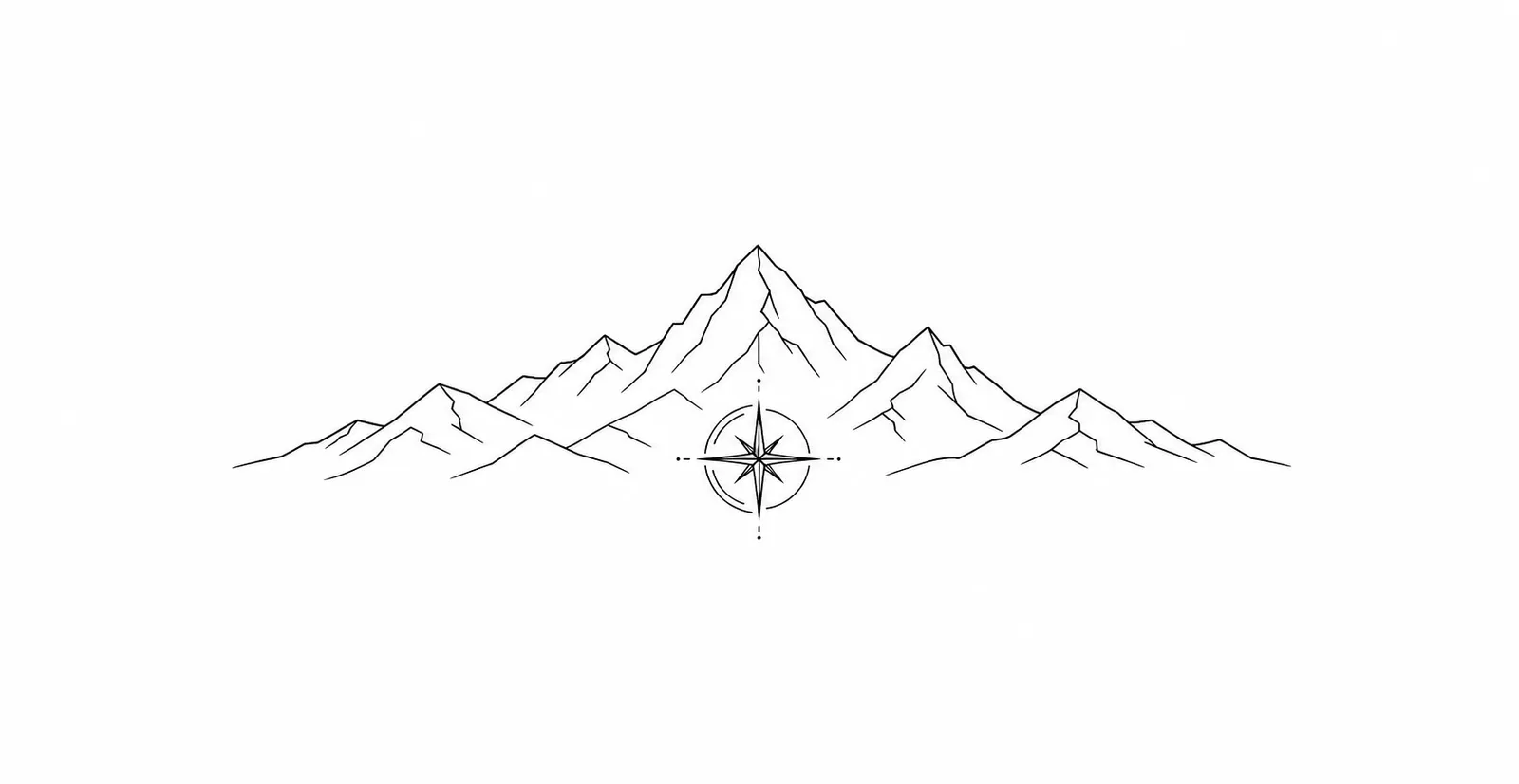
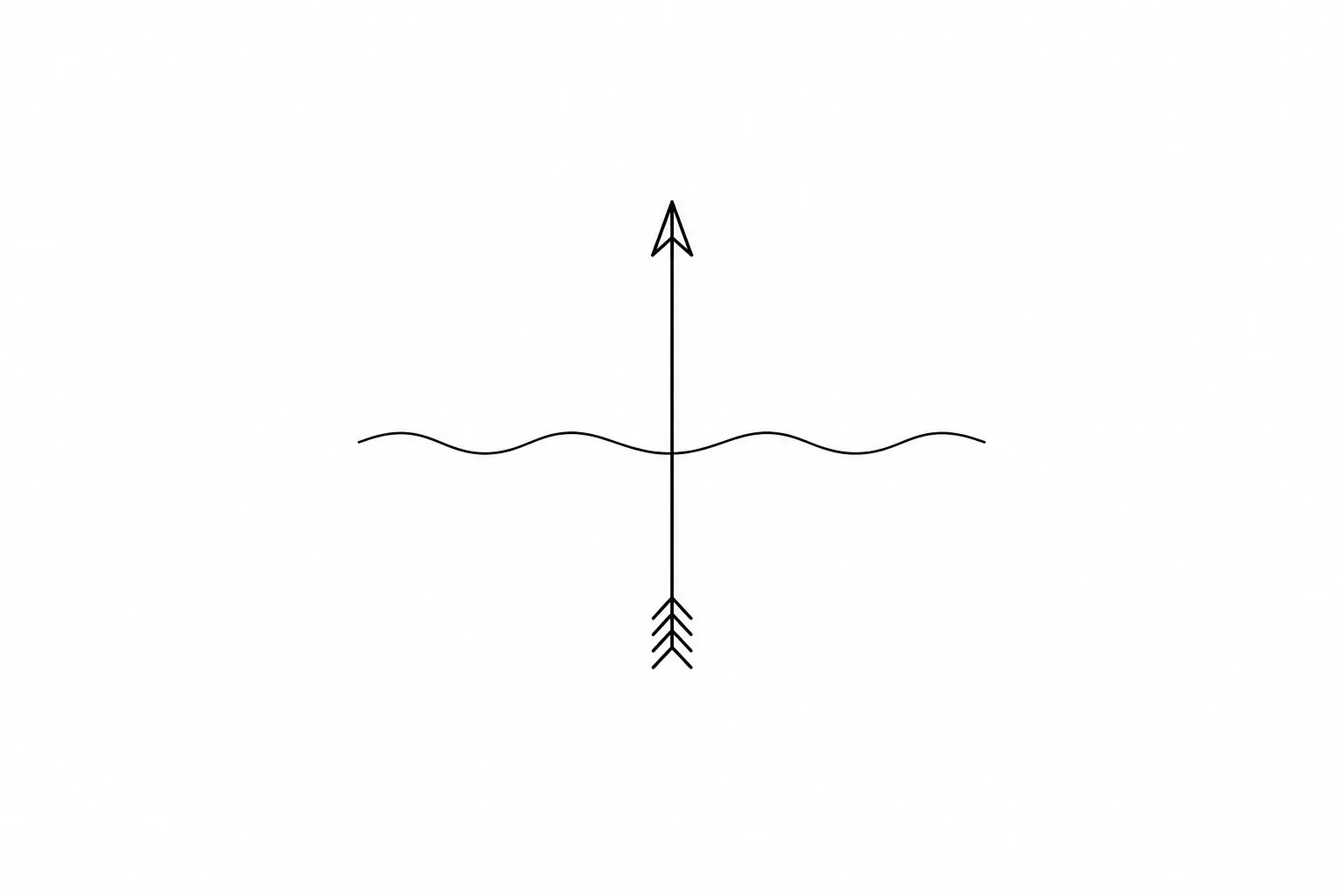
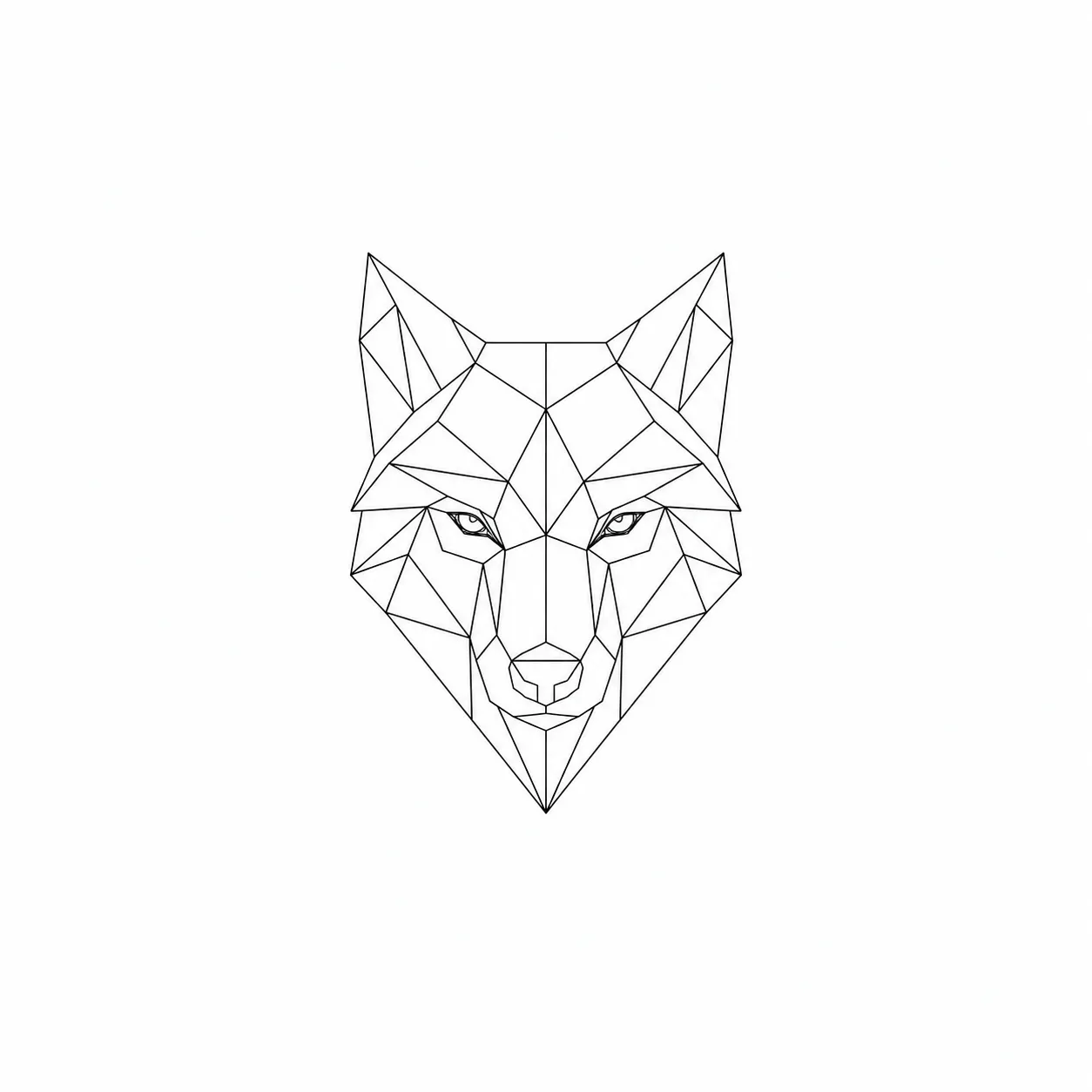
Designs that remain recognisable with just a few lines work well at a small scale. A mountain range can evoke a landscape, a compass can suggest direction, and an arrow can represent a path you’ve chosen. A single geometric shape, a short piece of lettering or a simple botanical design can work if you prefer something less symbolic. The three designs below have different strengths: the mountains rely on a wide silhouette, the arrow gives the eye a clear direction, and the wolf has a symmetrical shape. With an animal’s face in particular, look closely at the spacing between lines at your intended size. Too many tiny enclosed areas can make a design feel less simple.
These three designs were created with the Inkspira AI tattoo generator.
Where can a tattoo stay covered day to day?
The inner upper arm, side of the chest and upper back can usually be covered by a T-shirt. An inner forearm tattoo is easier for you to see, but it will also show more readily when you push up your sleeves. Even a small wrist tattoo can be visible with short sleeves. Check the placement against clothes you actually wear: a loose sleeve opening may cover less than a close-fitting one. Think about movement too. A design on the inside of your arm may appear when you lift or turn it. The measurements below are starting points for planning, not rules for every body or design.
| Placement | Design size | Visibility | Suitable shape |
|---|---|---|---|
| Inner upper arm | 4–8 cm | Usually under sleeves | Lettering or animal head |
| Inner forearm | 5–10 cm | Visible with short sleeves | Arrow or mountains |
| Side of chest | 4–8 cm | Usually under clothing | Compass or symbol |
| Upper back | 5–10 cm | Usually under clothing | Mountains or geometry |
| Inner wrist | 2–5 cm | Often visible | Simple symbol |
How small can a detailed design be?
A detailed design needs enough space for its individual shapes to remain distinguishable over time. With mountains and a compass, the overall width is only part of the decision: the gaps between the peaks, compass needle and outline also need to suit the intended size. A single arrow may work smaller than a wolf’s head with many facial lines. Compare two versions of the same design, perhaps at 4 cm and 7 cm wide. Check whether eyes, points and spaces are still clear in the smaller version. If they aren’t, you can remove details or make the design larger. A few extra millimetres of space within a design may be more useful than squeezing dense lines into a tiny stencil.
How will a design look on a moving body part?
A straight design can look different on a curved or moving part of the body depending on your position. A narrow mountain range on the forearm, for example, follows the curve of the arm. Turn your hand and the amount you can see at once changes. A symmetrical wolf’s head can also look tilted on an uneven surface, even when the original design is straight. A photo overlay can help you compare positions on your own body. Try different poses as well: let your arm hang loosely, bend it and turn it. Once you’ve chosen a placement, the stencil can be aligned on your skin before the tattoo is done. Check it in a mirror and consider whether you want the design to read towards you or towards other people.
What does a small tattoo cost, and how can you prepare?
In Germany, a small tattoo may cost roughly €80–€200; more involved work can cost more. Even a design only a few centimetres across requires preparation, materials and a properly set-up workstation. Fewer lines therefore don’t necessarily mean a proportionately lower price. When contacting a studio, send the design, an approximate size and a photo of the intended placement. Ask whether the quoted price includes adjustments to the design and how the studio handles a possible touch-up. If you want fine lines, look for healed work in the artist’s portfolio where possible. Fresh photos alone won’t show how the lines look after healing.
What happens to fine lines after a tattoo?
Fine lines can look softer and lose some sharpness over time, although it isn’t possible to predict exactly how much an individual tattoo will change. That matters especially when lines are close together, because the open spaces between them are part of the design. For a geometric wolf, for example, leave clear gaps instead of filling every area with more lines. Placement matters in daily life too. Skin on the fingers and hands is frequently exposed to water and friction. During healing, a tight sleeve can rub against a freshly tattooed upper arm, while a backpack strap can rub against the upper back. Plan your appointment so you can avoid that friction at first and follow your studio’s aftercare instructions.
FAQ
What small tattoos work well for men?
Arrows, mountain outlines, geometric shapes and short pieces of lettering all work as small designs. An animal’s head is another option, though its facial features often need more room than a single symbol.
Where are tattoos least visible?
Tattoos on the inner upper arm, side of the chest and upper back usually stay covered by everyday clothing. Check your usual wardrobe to see whether the same is true when you exercise or wear sleeveless clothes.
How much does a small tattoo cost?
Allow roughly €80–€200 for a small tattoo in Germany. The price can be higher depending on the detail and work involved, and a studio may charge a minimum to cover preparation and materials.
Are small tattoos less painful?
Small tattoos are often quicker to do, but they can still hurt considerably. The placement, length of the session and your own sensitivity to pain all play a part.
How long do fine-line tattoos last?
Fine-line tattoos remain permanently in the skin, but their lines can look softer or paler over the years. There is no fixed timeline for that change; leaving enough space between lines helps keep the design readable.