Fine Line Lettering Tattoo Ideas
A fine line lettering tattoo is all about restraint: no thick outline, no fill, just delicate strokes carrying a word or a short phrase. That very simplicity raises questions. Which font works? How long do such thin lines actually last? And what does it cost? Here are the real-world answers before you jump into the designer.
You might also like:fine line tattoo basics · ideas for your lettering tattoo · an overview of tattoo styles
Templates & examples
Create your own design
Describe your idea, pick a style – the AI creates one-of-a-kind tattoo designs in seconds.
Create your own tattoo
What makes a fine line lettering tattoo tick
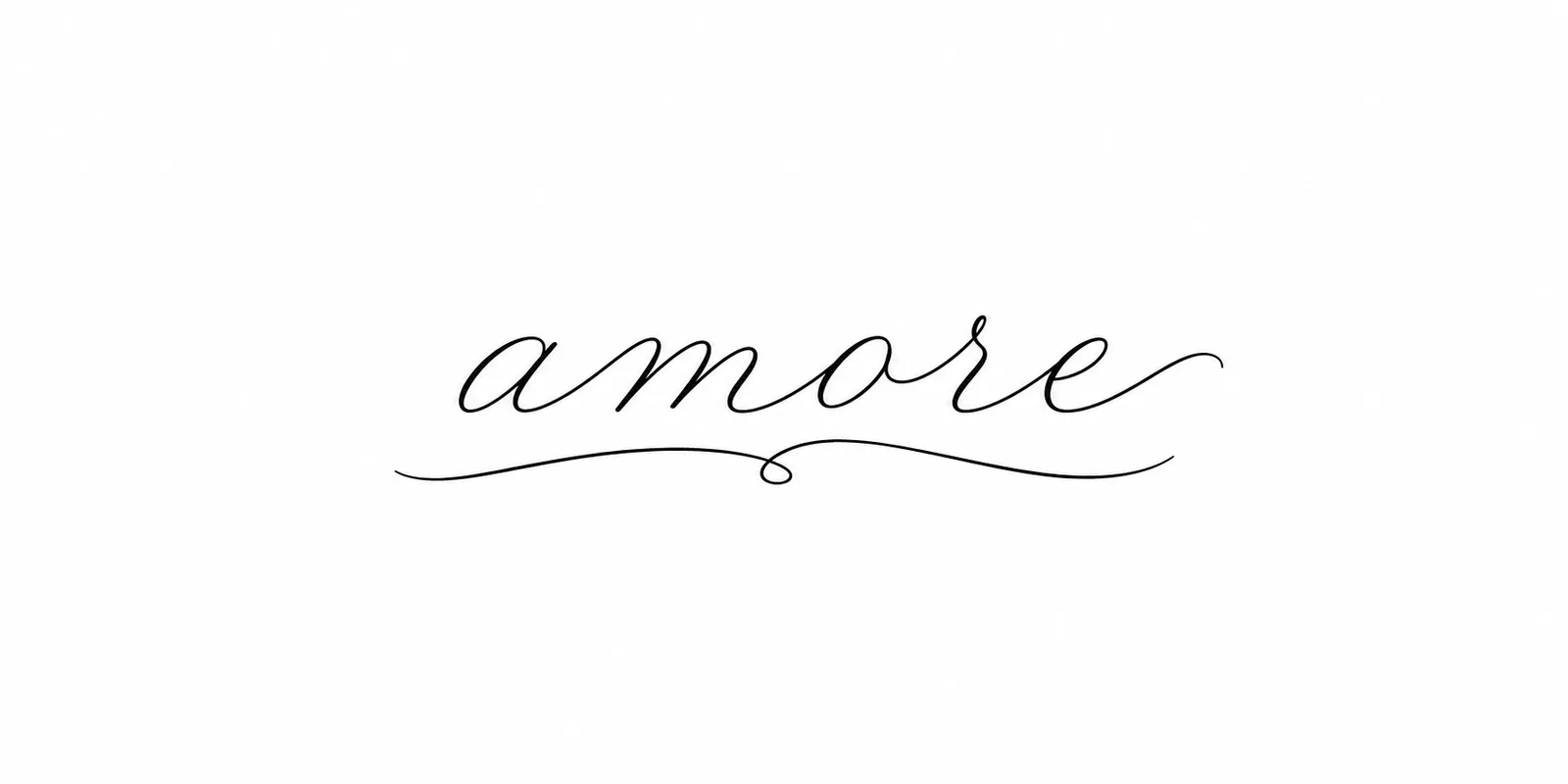
The appeal lives in the understatement. A single fine needle draws lines barely wider than a pen stroke, with no shading and no heavy outline. A word like "amore" or a birth date ends up looking like someone wrote it straight onto your skin. It reads as private and quiet precisely because it doesn't fight for attention.
Which font suits a fine line tattoo?
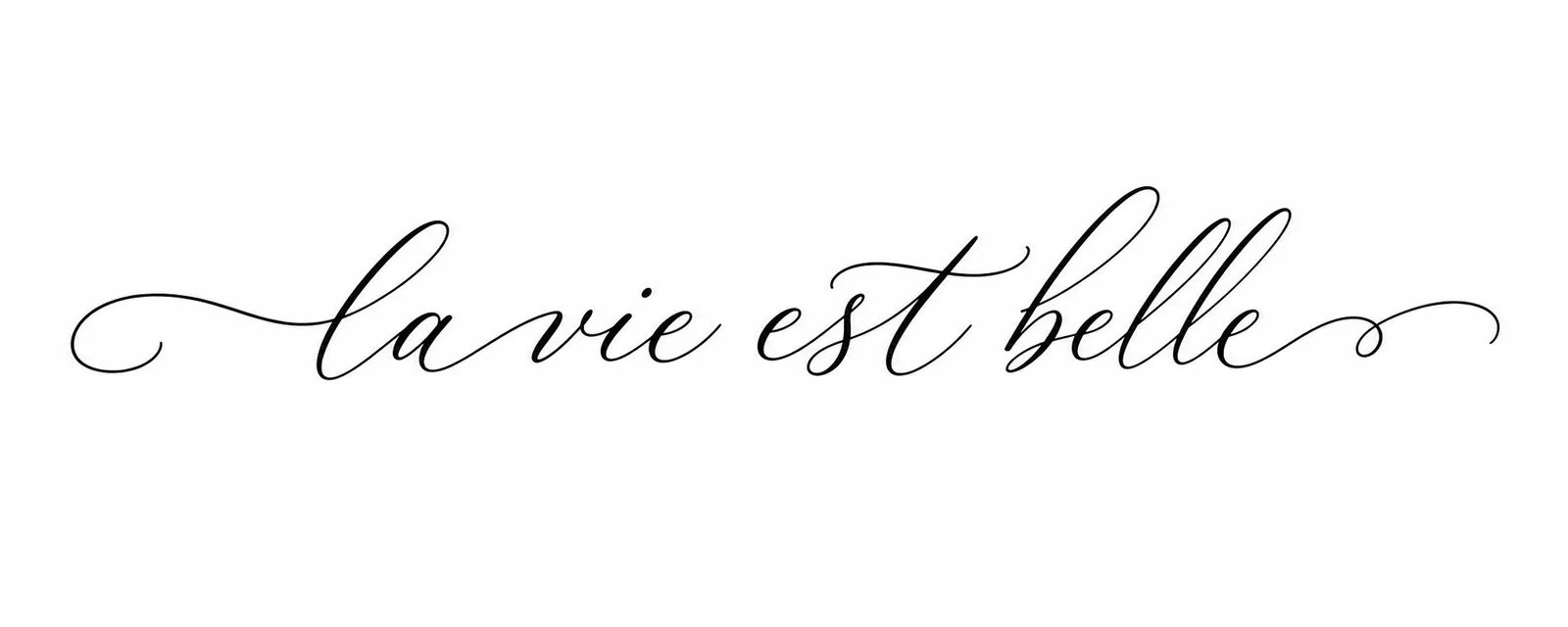
In practice, three directions show up most often: a flowing script for names and feelings, a narrow serif for quotes and dates, and a pared-back handwriting style that echoes your own. Flourishes look great on paper but close up fast at tiny sizes. A good rule of thumb: the smaller the lettering, the calmer the font. Have the stencil placed on your skin at full size before the appointment, and you'll instantly feel whether the letters still have room to breathe.
Where to place delicate lettering
Popular spots are the inner forearm, wrist, collarbone, behind the ear, and along the ribs. The inner forearm works especially well for a single word because the line runs straight there. On pain, roughly speaking: the forearm and upper arm are easy to sit through, while the wrist and collarbone sting because of the bone underneath, and the ribs and top of the foot are among the rougher spots. A short piece of lettering is usually done in under an hour, so there's not much time to suffer anyway.
How long does a fine line lettering tattoo last?
Honestly, this is where a lot of people are too optimistic. Fine lines carry less pigment than bold ones, so they fade a little faster over the years and can blur on fingers or feet. On calm spots with little friction and good sun protection, though, delicate lettering easily holds up for a decade and beyond. The first two weeks decide a lot: keep it clean, moisturize lightly, don't scratch, and skip the sun and the pool. If you consistently protect the skin with SPF later on, you push the first touch-up back by years.
What does fine line lettering cost in Germany?
Most studios charge a minimum, which in Germany often sits between €80 and €120, so even a tiny word rarely costs less. A longer phrase or an elaborate font is billed by time, usually €100 to €150 an hour. On meaning: the content carries the tattoo, and the style just keeps it deliberately plain. People choose a name, a date, a mantra, or a word in another language. If you're unsure how your word reads in different fonts, try the variations in the designer first.
FAQ
Which font suits fine line lettering?
Flowing scripts look best for names and feelings, while narrow serifs suit quotes and dates. The smaller the design, the simpler the font should be so the letters don't blur together.
What does a fine line lettering tattoo cost?
In Germany the minimum is usually €80 to €120, and longer pieces of lettering are billed at around €100 to €150 an hour. A single word almost always stays at the minimum.
How long does a fine line tattoo last?
On calm spots like the forearm or collarbone, delicate lettering easily lasts a good ten years with solid sun protection. On fingers and feet it fades much faster because of friction.
What does a fine line tattoo mean?
The meaning lives in the word itself: a name, a date, or a mantra. The fine script keeps the message deliberately quiet and personal.
Does fine lettering blur over time?
Very small letters with tight spacing can bleed into each other after years. A little more size and space between the characters keeps the lettering legible longer.