Small Tattoo Ideas and Placements
Updated
A crescent moon can fit into 3 cm, but a flowing script with lots of loops may need more room. A small tattoo looks clear when the design, spacing and placement work together. A wave, a short word or a single flower can each make a distinct design without taking up much space. Before settling on a size, decide what you want to recognise at a glance and which details you could leave out.
You might also like:Fineline Tattoos: Planning a Fine-Line Design · Fine Line Lettering Tattoos: Ideas and Readability · Finger Tattoos: Designs That Fit
Templates & examples
Create your own design
Describe your idea, pick a style – the AI creates one-of-a-kind tattoo designs in seconds.
Tools for your tattoo design
Which designs work well as small tattoos?
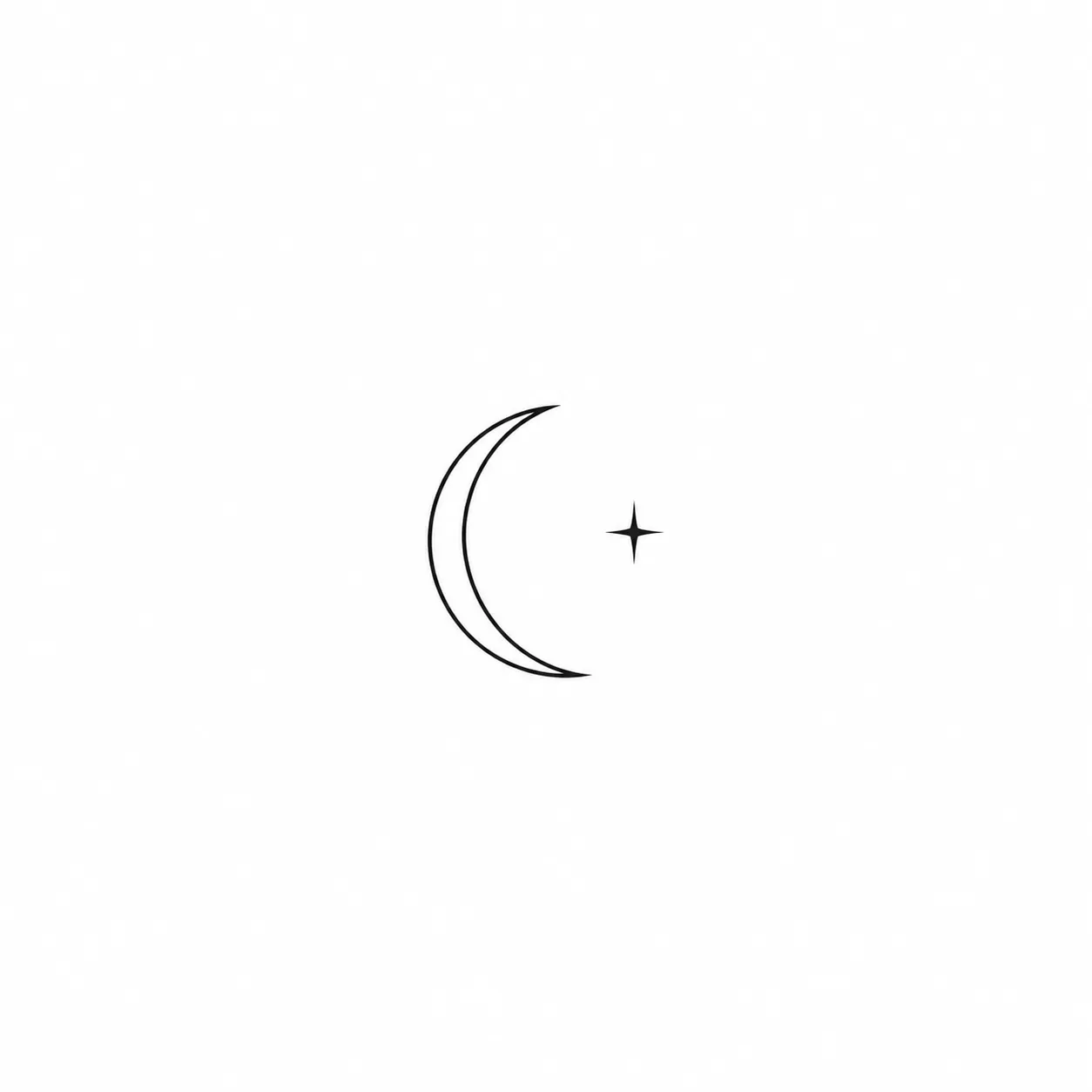
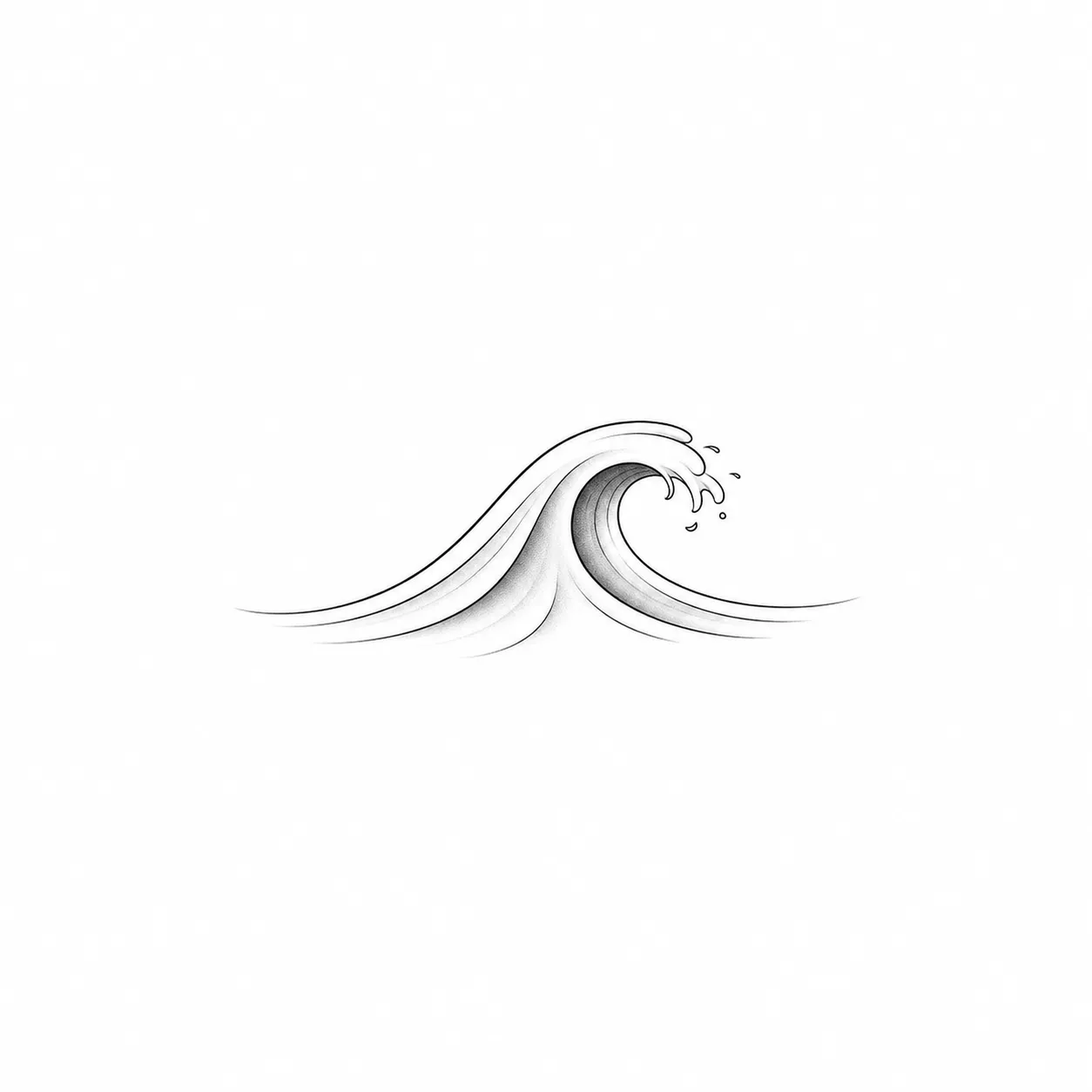
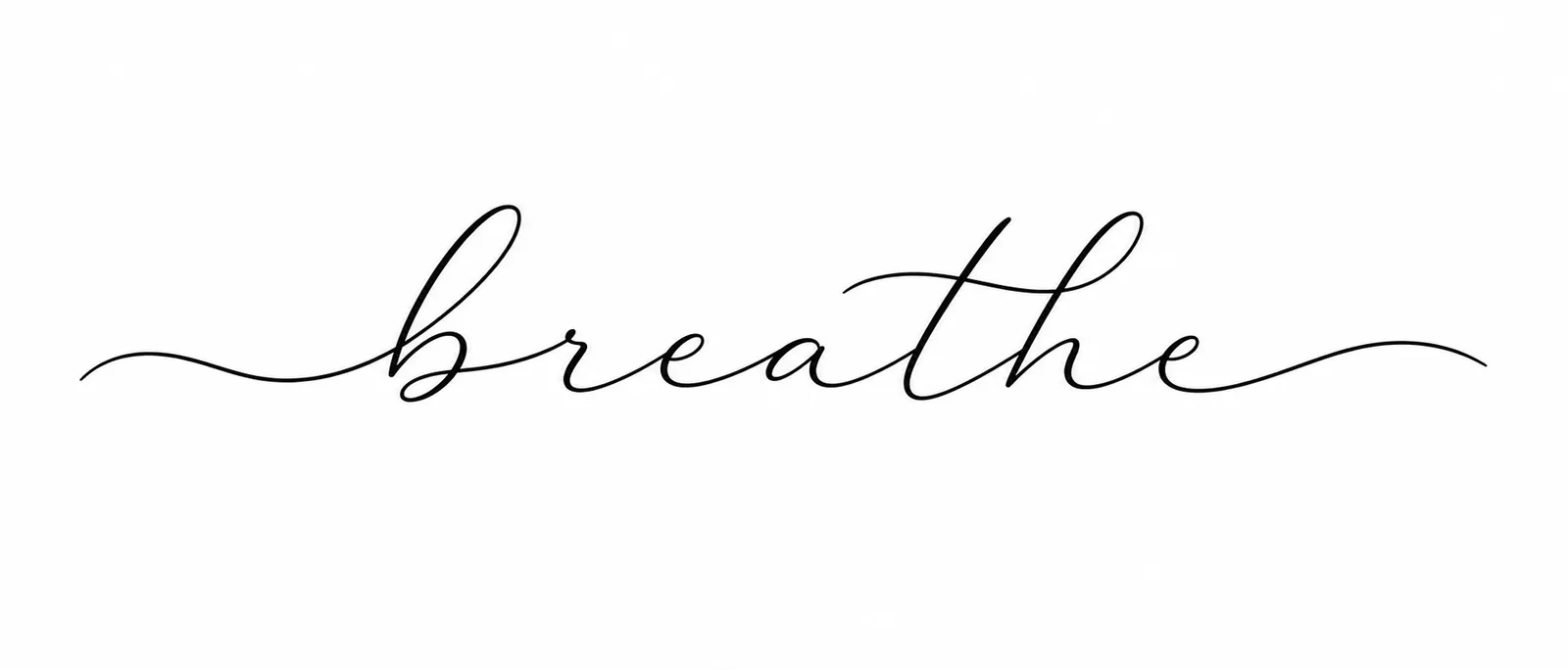
Designs with an easily recognised outline work well at a small size. A crescent moon needs little interior detail, a wave gets its character from its curve, and a short word relies on letters that are easy to distinguish. A single branch, a stylised flower or a small heart can also be kept simple. If you want a reminder of a trip, a wave might be enough without adding a tiny landscape inside it. The three designs below take different approaches: the moon has a calm, contained shape, the wave suggests movement, and the lettering carries a readable message. Think about the detail you would most want to keep, whether that is a flower’s silhouette or the spelling of a word. Other elements can be simplified if needed.
These three designs were created with the Inkspira AI tattoo generator.
How much space does a small tattoo need?
A small tattoo needs enough space for its main shapes and the gaps between them to remain visible. A simple wave might work as a 3 cm-wide design, while a word with several letters will often need more length. The measurements below are starting points rather than fixed minimums: line weight, lettering and placement all affect how much space a design needs. For a branch, you could remove every other leaf and draw the remaining ones larger. That leaves space around them instead of crowding tiny pairs together. A star with many points could be simplified by using fewer rays. If fine details are what give your design its character, a larger tattoo may serve it better than a crowded miniature.
| Design | Starting size | What to check |
|---|---|---|
| Crescent moon | 2–4 cm | Keep the inside open |
| Wave | 3–5 cm wide | Simplify the spray |
| Single branch | 4–6 cm long | Leave space between leaves |
| Short word | 4–7 cm long | Check letter spacing |
| Small flower | 3–5 cm | Simplify the centre |
How to check a design at actual size
A design is ready to discuss when you can recognise its main shape at the intended size without magnifying it. Set the image on your screen to roughly the planned dimensions, or print two versions, perhaps 3 cm and 4 cm wide. Look at both from a normal distance and mark any places where lines touch or a detail has become little more than a dot. Then check the spaces within the design. The light area inside a crescent should remain clear, and a wave’s crest and spray should not merge into a dark patch. At your appointment, ask your tattoo artist which line spacing will suit the design. Be open to changes: an open curve instead of a tiny closed loop may do more for the result than another decorative detail.
Where should you place your tattoo?
Choose a placement that gives the design enough room and fits your daily life. The outer upper arm can usually be covered by clothing, while a tattoo on your forearm will be more visible to you. A long branch can follow the line of your arm; a round design may look more settled on a flatter area. On the wrist, check its position against your watch, bracelet and the crease where your wrist bends. Hands and fingers are often visible, but they also experience more friction and frequent washing. Fine lines there can fade unevenly, so allow for the possibility of a touch-up later. For an ankle tattoo, consider whether a shoe edge or sock could rub the fresh tattoo while it heals. A photo overlay can give you an initial view of the placement. Once the stencil has been applied, look at it while standing and moving to see how the design sits on your body.
What keeps small lettering readable?
Short lettering is easier to read when the letters have enough room and their shapes are distinct. In cursive script, tight loops, the space inside an “e” and the joins between letters can quickly become crowded. Compare a delicate script with a more open version; the difference may matter more than adding another centimetre to the length. Read the word at its planned size from a normal distance, and check capitalisation, special characters and any translation. If you want to use someone’s handwriting, ask whether it can be carefully simplified. Distinctive flourishes can remain while the tightest areas are opened up. Several words usually need more space; a single word may carry the same personal meaning while giving the letters room to breathe.
What will the appointment cost, and how should you prepare?
For a small design in Germany, a common price range is around €80–€200. More intricate designs or special techniques can cost more. Even a very small symbol requires preparation, single-use supplies and a prepared workstation, so many studios charge a minimum price. When asking for a quote, send the design, approximate dimensions and preferred placement. Check whether the quote includes the design work and a possible touch-up. Look at healed work in the artist’s portfolio, especially if you want fine lines. After your appointment, follow the studio’s aftercare advice for your chosen placement. Plan your clothing and shoes so they rub against the tattoo as little as possible during healing. If you may want more tattoos later, leave space between designs: one symbol can stand alone or become part of a larger arrangement.
FAQ
How much does a small tattoo cost?
A small design commonly costs around €80–€200 in Germany. An intricate design or special technique can cost more. Before booking, ask whether a touch-up would be charged separately.
Where does a small tattoo hurt least?
Many people find the outer upper arm comparatively manageable. Areas directly over bone or on the fingers can be more uncomfortable. The length of the session and your own sensitivity also matter.
How small can a tattoo be?
A simple symbol can be only a few centimetres across, but there is no fixed minimum size for every design. The more lines, letters and spaces a design contains, the more room it may need.
How long does a small tattoo last?
A tattoo is intended to be permanent, though it can fade or lose definition over time. Fine details and frequently used areas such as fingers can change visibly. A touch-up may be possible later, but it cannot make lines that have spread narrow again.
What is a good design for a first tattoo?
A clear outline such as a wave, crescent moon or single flower is one option for a first tattoo. Choose a design you like without lots of tiny details, and discuss its size and placement before your appointment.