Tattoo Templates
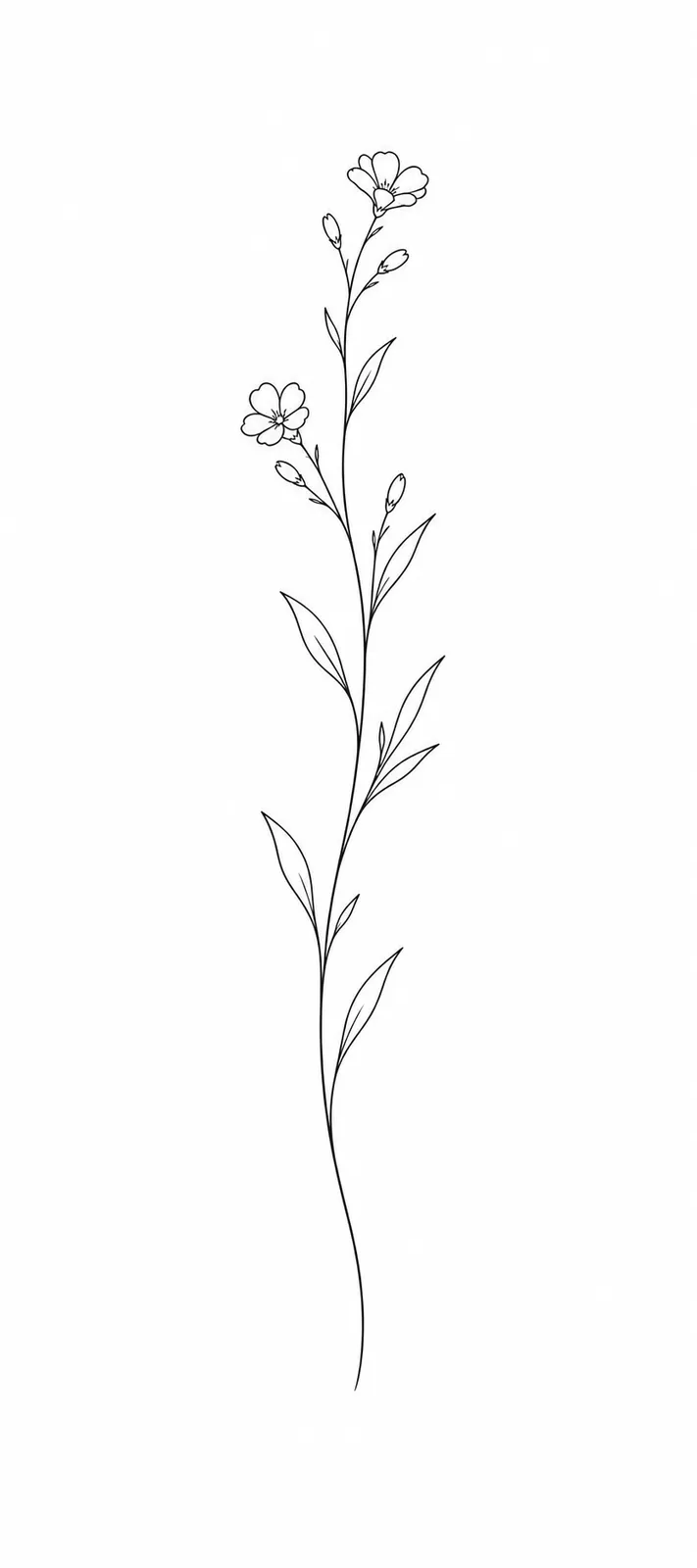
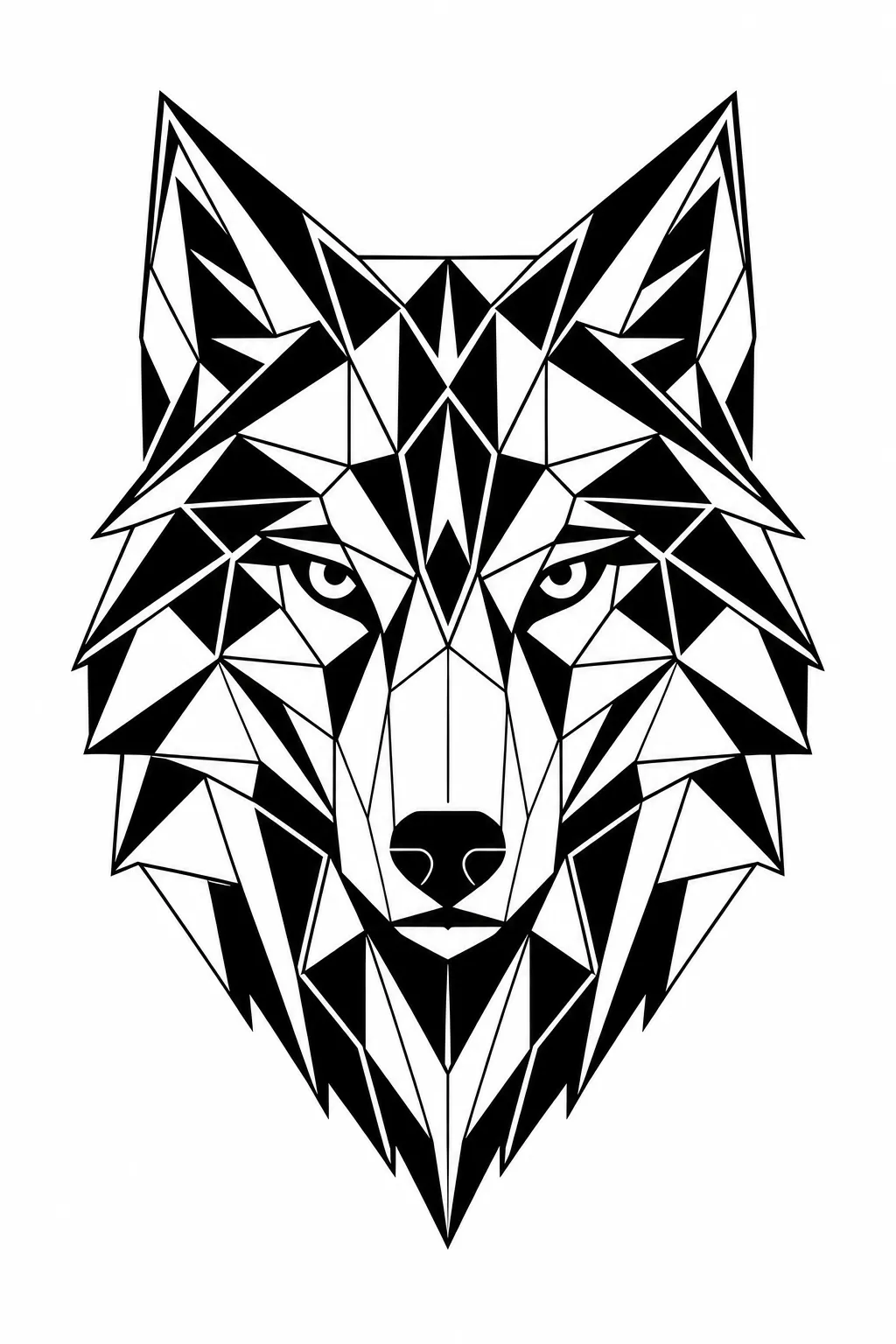
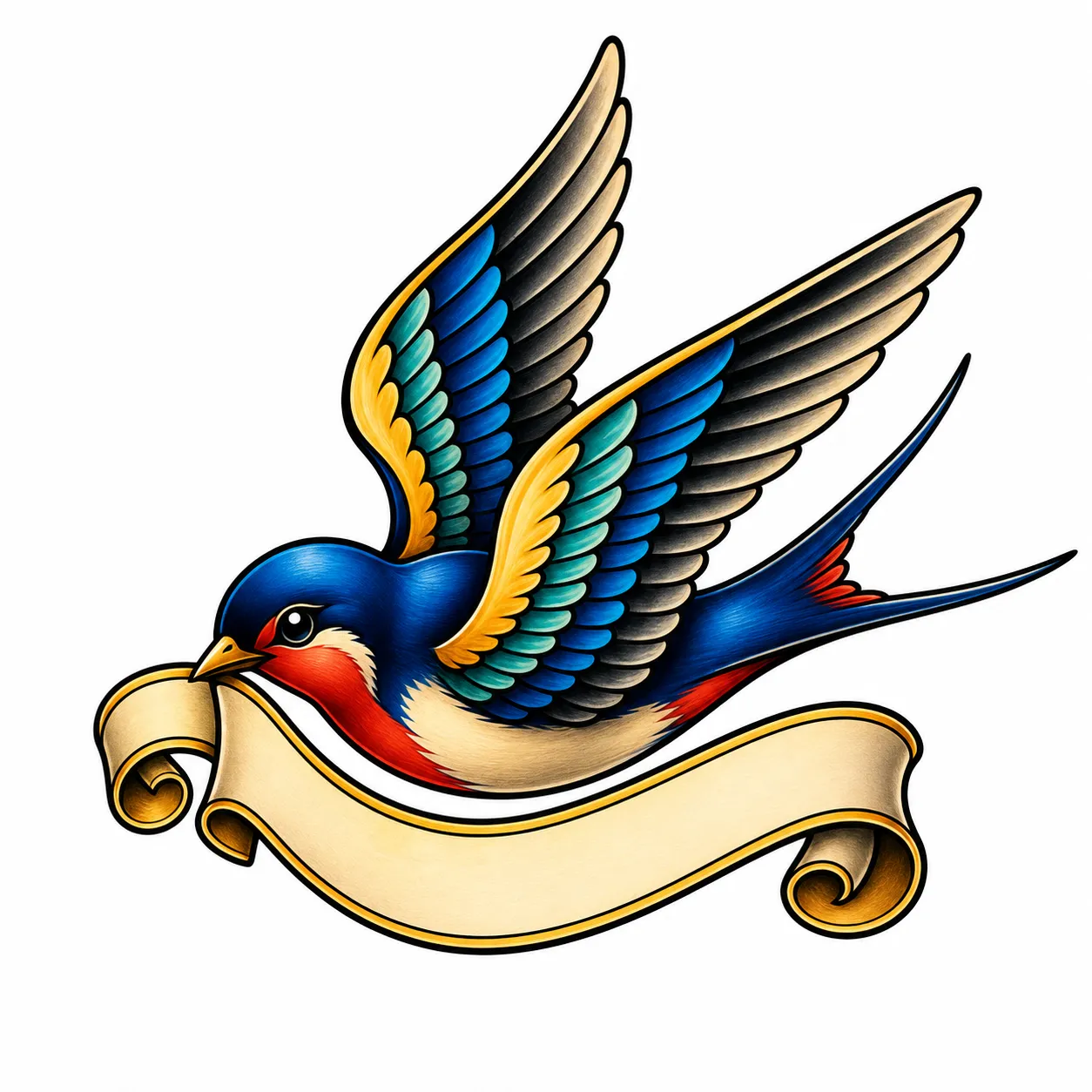
A good template takes a lot of the uncertainty out before your appointment: you can see the design, the linework, and the proportions before the needle ever touches skin. Whether it's a delicate fine-line sketch, bold blackwork, or a playful illustrative style, browsing quickly shows you which direction actually suits you. Save a few favorites, compare them at your own pace, and bring them to your consultation. If you still want to experiment, the AI generator turns a template into a design entirely your own in seconds, letting you freely adjust details, size, and layout.
You might also like:fresh tattoo ideas to browse · popular tattoo designs at a glance
Templates & examples
Create your own design
Describe your idea, pick a style – the AI creates one-of-a-kind tattoo designs in seconds.
Create your own tattoo
What Makes a Good Template
A convincing template shows clean lines, a balanced mix of solid area and open space, and a size that fits the spot you have in mind. Pay attention to how fine the details are: very tight lines and tiny flourishes can look appealing on paper but may blur in the skin after a few years. Good templates therefore still work when you mentally scale them up a bit. Another mark of quality is readability from a distance – if you can still make out the design clearly from two meters away, it usually holds its impact long term too.
From Template to Your Own Design
A template is a starting point, not a stencil to copy. Almost every tattoo gets better when you tailor it to your story: an extra element, a different flower, a date, or a personal symbol. Gather two or three templates you like and note what draws you to each – often it's just one detail. Your artist combines those ideas into a cohesive design. That way you end up with a piece that's inspired by a template but doesn't exist in exactly that form anywhere else.
Sorting Templates by Style
Templates sort nicely by style, since each style follows its own rules. Fine line lives on thin, even lines and lots of white space, blackwork leans on large black areas and strong contrast, while illustrative or watercolor-style designs read softer and more playful. Once you know which style pulls at you, choosing gets much easier and you'll quickly spot which templates go together. It helps at the consultation too: a clear style preference makes it easier for the studio to recommend the right artists for you.
Copyright and the Legal Side of Templates
Not every template you find online can just be lifted. Drawings and photos are generally protected by copyright, and copying one exactly without permission can infringe the creator's rights. You're on the safe side if you use a template purely as inspiration and develop a standalone design from it. Many artists insist on adapting someone else's work rather than copying it anyway. Freely usable or self-made designs sidestep the problem from the start.
FAQ
Can I just have a template from the internet copied exactly?
Legally it's tricky: most drawings are protected by copyright, and copying one exactly can infringe the creator's rights. So use someone else's template only as inspiration and have a modified, standalone design developed from it. Self-made or expressly licensed designs are no problem.
How do I turn a template into my own design?
Gather several templates you like and mark which detail draws you to each. Add personal elements like a date, a flower, or a symbol. Your artist assembles those wishes into a cohesive design. That keeps the piece individual and unique to you, not identical to anyone else's.
What size should I get a template done in?
That depends on the detail and the spot. Fine lines and lots of small elements need more room, otherwise they blur together over time. As a rule of thumb: slightly bigger beats too small. Hold the template up to the planned spot to check the proportions.
How do I recognize a good tattoo template?
By clean, crisp lines, a balanced mix of solid area and open space, and a size that fits the spot. A good design stays recognizable even from two meters away. Very delicate details look appealing on paper but can blur in the skin long term.
Do I need to bring a finished template to my appointment?
No, a rough sketch or a few inspiration images are plenty. Many studios develop the final design together with you and tweak it right before tattooing. More important than a perfect image is that you can clearly name the style, size, and spot you want.