Arm Tattoos for Women: Ideas and Placement
Updated
The outer upper arm is a good choice if you want a tattoo you can often cover with a T-shirt. A forearm tattoo tends to be more visible throughout the day. Arm designs can be anything from a slender leafy branch to a larger motif that wraps around the arm. Before choosing a placement, think about size and direction: a design will look different on the flatter inner forearm than on the curve of the upper arm.
You might also like:Wrist Tattoos for Women: Ideas and Placement · Flower Forearm Tattoos: Ideas and Placement · Tattoo Designs: Ideas for Your Next Tattoo
Templates & examples
Create your own design
Describe your idea, pick a style – the AI creates one-of-a-kind tattoo designs in seconds.
Tools for your tattoo design
Where on your arm should you get a tattoo?
The outer upper arm offers plenty of space and is often covered by a T-shirt, while the forearm is a good choice if you want to see your tattoo more often. A long branch can work in either place, but a wide butterfly needs more room. The table compares possible sizes and approximate prices in Germany. These prices are for simple to moderately detailed designs in the sizes shown. Intricate shading, colour or a particularly complex design can cost more. Even a very small tattoo often carries a studio minimum because preparation and materials are needed regardless of size. Measure the available space on your own arm: the same dimensions can look different depending on your build.
| Placement | Example size | Price in Germany | Visibility |
|---|---|---|---|
| Outer upper arm | 8–15 cm | €150–€400 | Often covered by a T-shirt |
| Inner upper arm | 6–12 cm | €120–€300 | Visible with movement |
| Inner forearm | 6–12 cm | €120–€300 | Easy for you to see |
| Outer forearm | 8–15 cm | €150–€400 | Often visible day to day |
| Near the wrist | 3–6 cm | €80–€180 | Frequently visible |
Three arm tattoo designs in detail
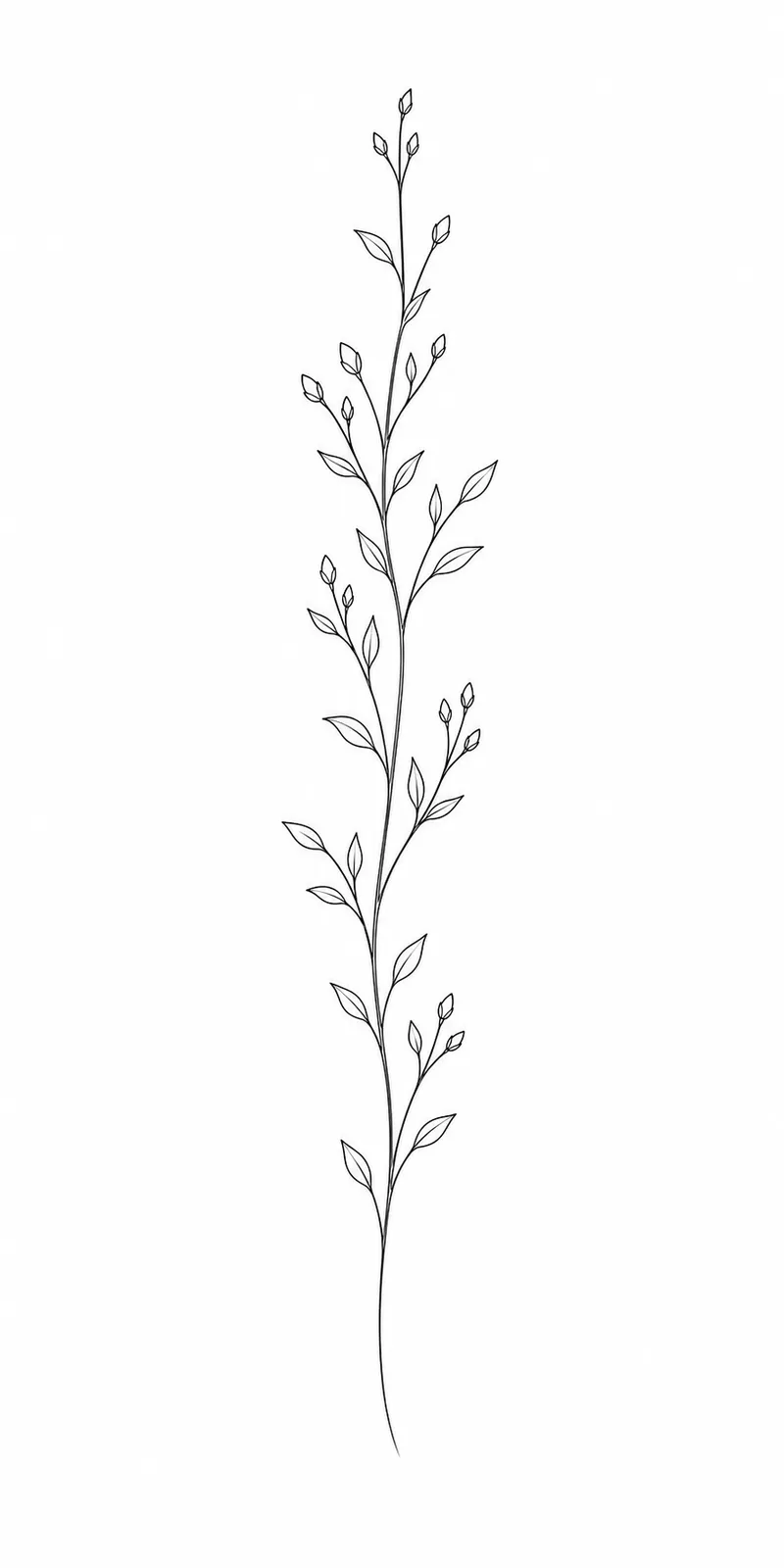
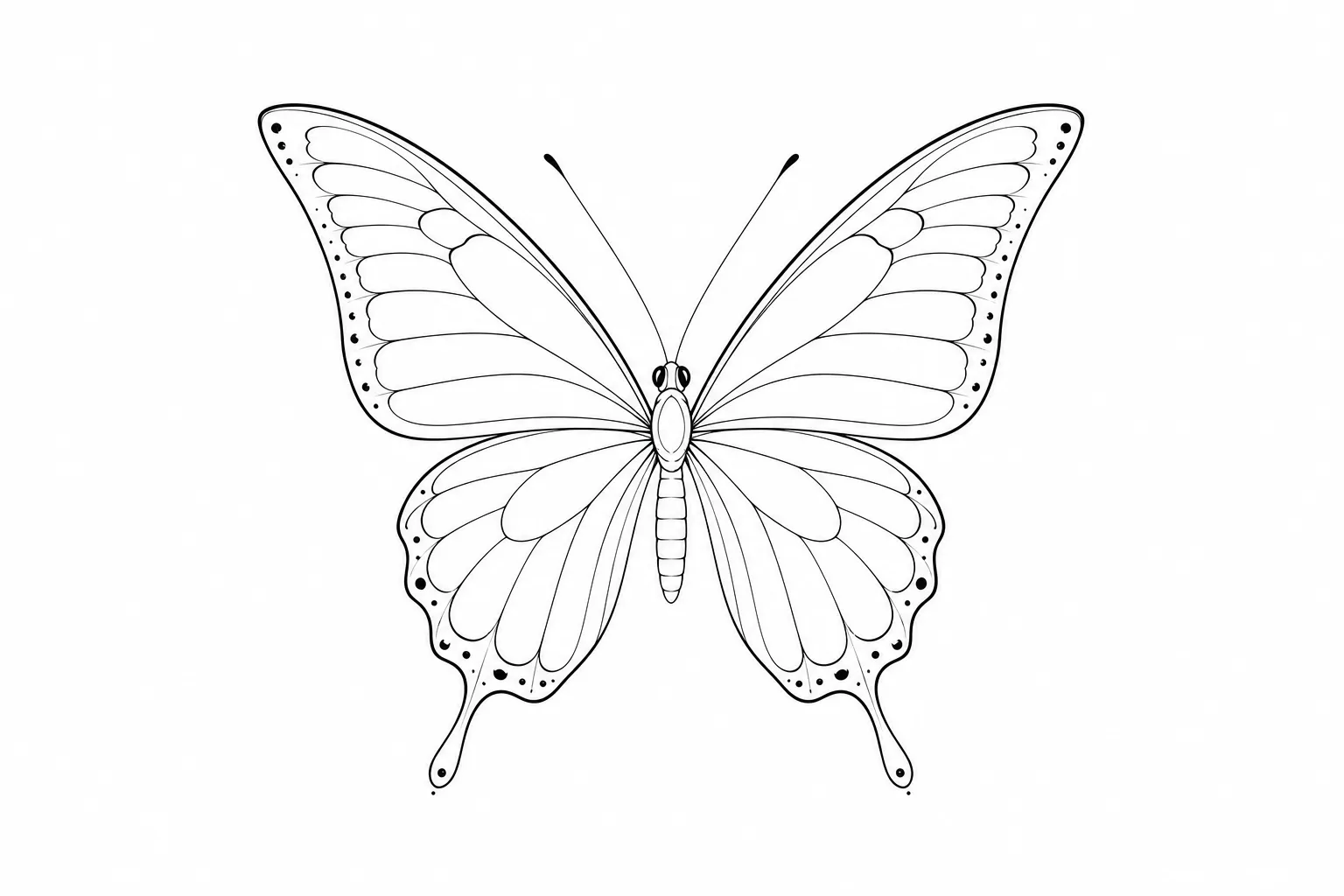
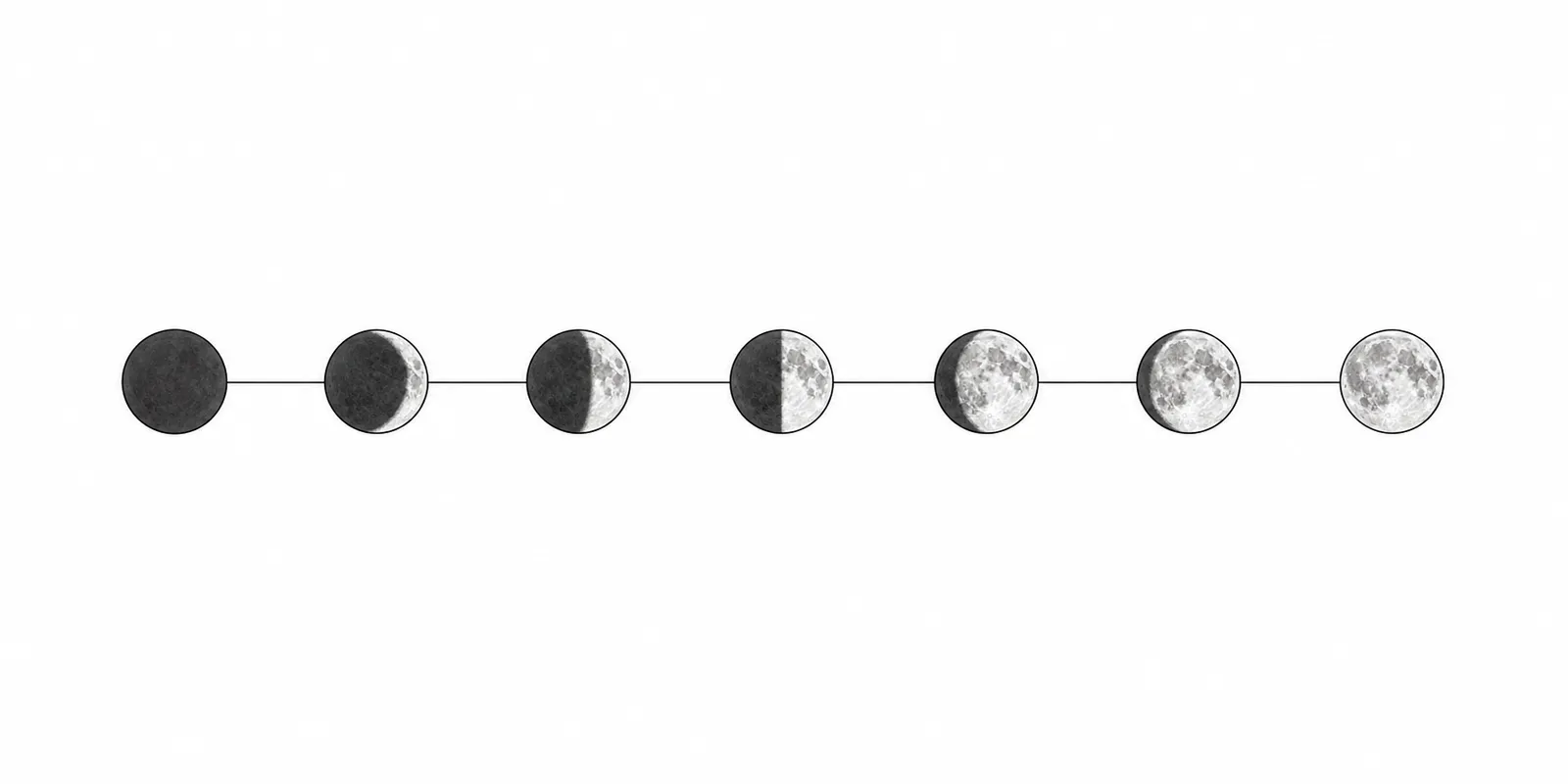
A leafy branch suits a narrow space, a butterfly needs width for its wings, and a row of moon phases depends on the spacing between its shapes. For a branch, consider whether the stem should run straight along your forearm or follow its contour. The individual leaves should remain distinguishable at your chosen size. Look closely at the markings inside a butterfly’s wings: lines placed too close together can run into one another if the design is reduced considerably. Moon phases make a calm band; decide whether you want the row only on the visible side or all the way around your arm. A complete ring requires a measurement of your arm’s circumference.
These three designs were created with the Inkspira AI tattoo generator.
How will the design look when you turn your arm?
A tattoo changes appearance as you turn your arm because the skin is curved and moves. On the forearm, a design centred when your palm faces up can appear to sit at the side when your arm hangs down. Start by choosing the position in which you most often want to see it. Mark the intended area with a skin-safe pen and photograph your arm from the front and side, first hanging loosely and then with your palm facing up. A photo overlay can help you compare the size and direction of the design in each view. For lettering, consider who should be able to read it: you when you look down at your arm, or other people when your arm hangs at your side. Both orientations will not always work at once.
How can you leave room for another tattoo?
If you might add more tattoos later, consider the spaces between them when planning your first. A small flower in the centre of your forearm may interrupt a future larger design more than one placed deliberately to the side. You do not need to commit to a full sleeve now; it is enough to leave a possible direction open. Outline the first design on a photo and sketch a second area beside it. A narrow, irregular strip left between them could be difficult to fill later. Consider how the lines might work together, too: a loose branch could be extended with more plants, while a closed band visually divides the arm. Include any existing tattoos in full in the photo so you can plan the spacing and transitions.
Fine lines and size: what will work?
In a small tattoo, the open skin between the lines matters as much as the lines themselves. If a detailed butterfly is reduced from 12 cm to 4 cm, its wing veins and shading will sit much closer together. Ask to see the design at its actual tattoo size and compare it with a simplified version. Fewer lines inside the wings can make the shape easier to read without changing their outline. For lettering, the height of each letter and the space between letters matter as well as the length of the word. A long phrase may need more room than a short word in the same font. It is also worth looking at healed work in the style you want. Fresh lines look different after healing, and it is not possible to predict exactly how a design will change over a longer period.
Planning your appointment and healing
Plan your appointment around clothing and activities that could irritate the fresh tattoo. A tight sleeve can rub against the upper arm; on the forearm, a watch strap, desk edge or bag may cause irritation. Wear loose clothing that gives the artist access to the area, and think about which sources of contact you can avoid in the following days. Surface healing often takes about two to four weeks, though the skin can take longer to recover fully. Follow your studio’s individual aftercare instructions and do not scratch peeling skin. Seek medical advice if you have increasing redness, severe pain, pus or a fever. If you exercise, ask before your appointment when you can put strain on the area again rather than assuming the same timetable applies to every tattoo.
FAQ
Where on the arm is a good place for a first tattoo?
The outer upper arm and outer forearm are common choices for a first tattoo. The upper arm is often easier to cover with a T-shirt, while you will see a forearm tattoo more often. Consider the size and direction you want for the design, too.
How painful is a forearm tattoo?
The outer forearm is often considered less sensitive than the inner elbow or the area near the wrist. The length of the appointment and the area being tattooed can also affect how it feels. Tell your artist if you need a break.
How much does a small arm tattoo cost in Germany?
A simple tattoo measuring about 3–6 cm can cost approximately €80–€180 in Germany. A small design with lots of detail may cost more, and some studios charge a minimum regardless of size. Send the studio your design, dimensions and intended placement for a specific estimate.
What designs work well on the forearm?
Leafy branches, flowers and lettering can be arranged lengthwise along the forearm. A butterfly with detailed wings generally needs a sufficiently wide area. Compare any design with your arm hanging loosely and with it turned.
How long does an arm tattoo take to heal?
Surface healing often takes about two to four weeks, although the skin may need longer to recover. Sleeves, jewellery and frequently resting your arm on a surface can irritate a fresh tattoo. Follow your studio’s aftercare instructions and seek medical advice if you notice signs of infection.