Tattoos for Women Over 50: Ideas and Planning
Updated
You can get a tattoo at 50 or later. Your age alone does not rule one out; the condition of your skin and your health matter more. Whether you want a flowering branch, lettering or a larger design, choose a placement that suits your daily life and leave enough room for the details. That gives you a useful starting point for a conversation with your tattoo artist.
You might also like:Tattoos for Women: Designs, Placements and Sizes · Arm Tattoos for Women: Ideas and Placement · Fineline Tattoos: Planning a Fine-Line Design
Templates & examples
Create your own design
Describe your idea, pick a style – the AI creates one-of-a-kind tattoo designs in seconds.
Tools for your tattoo design
Choosing a design
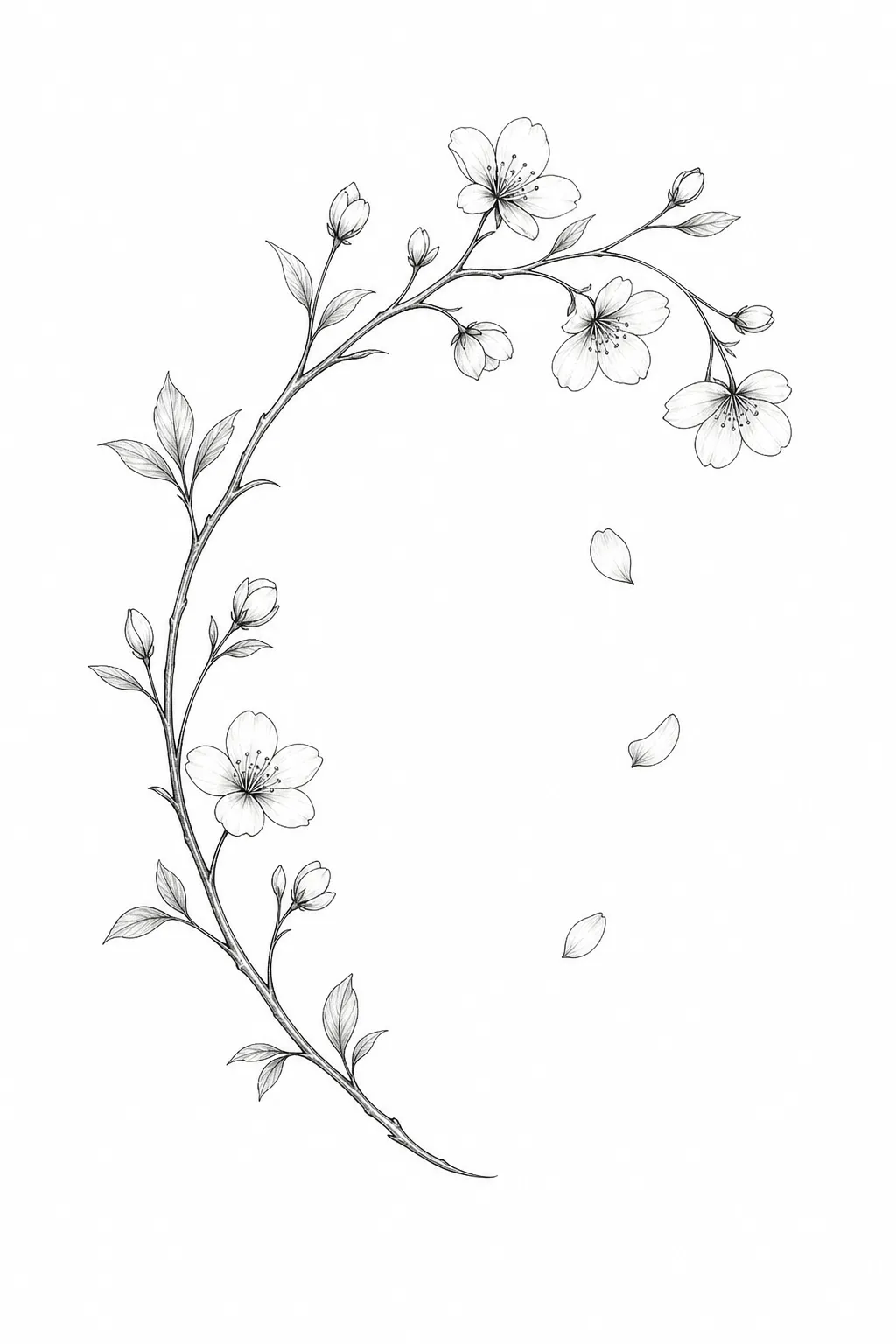
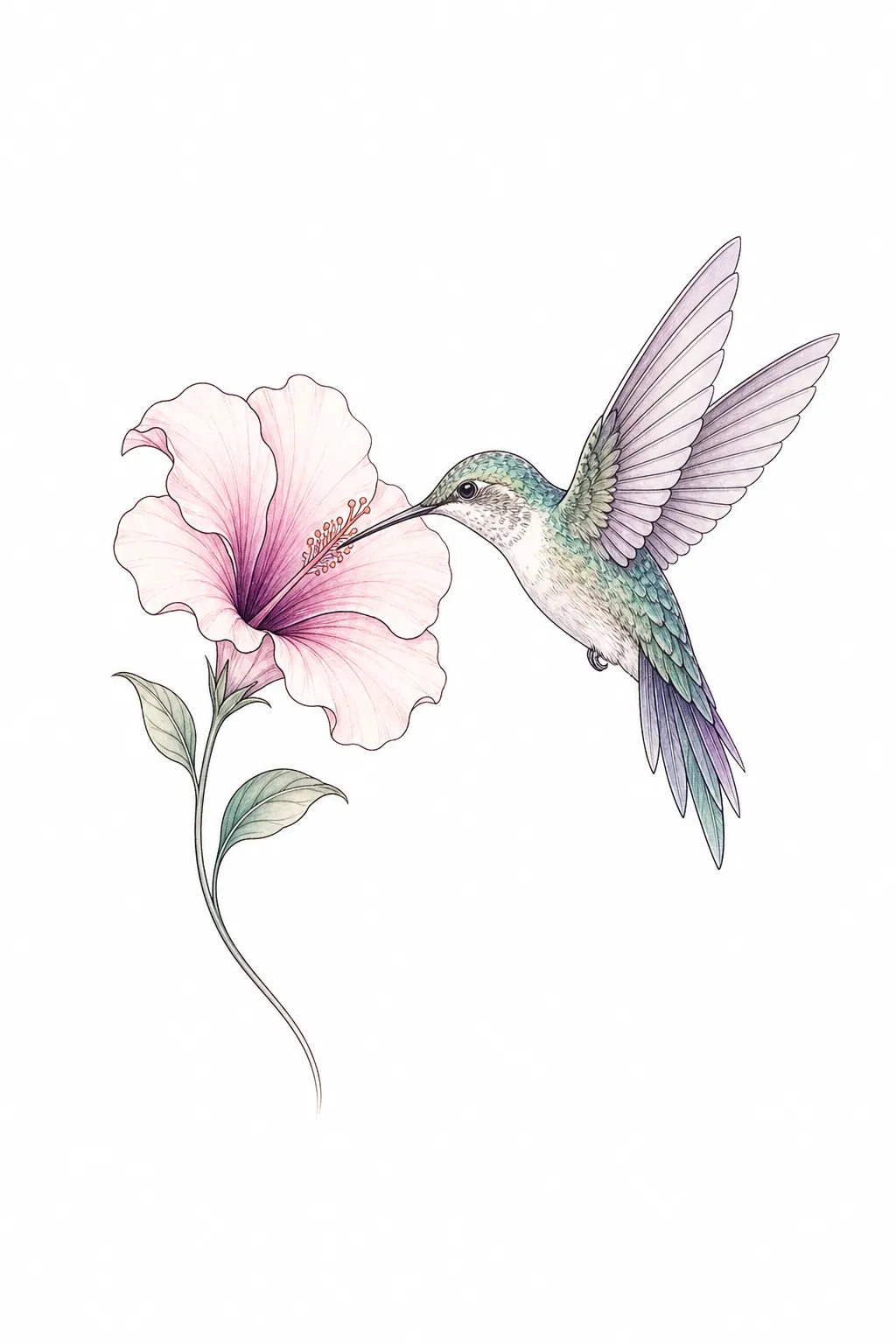
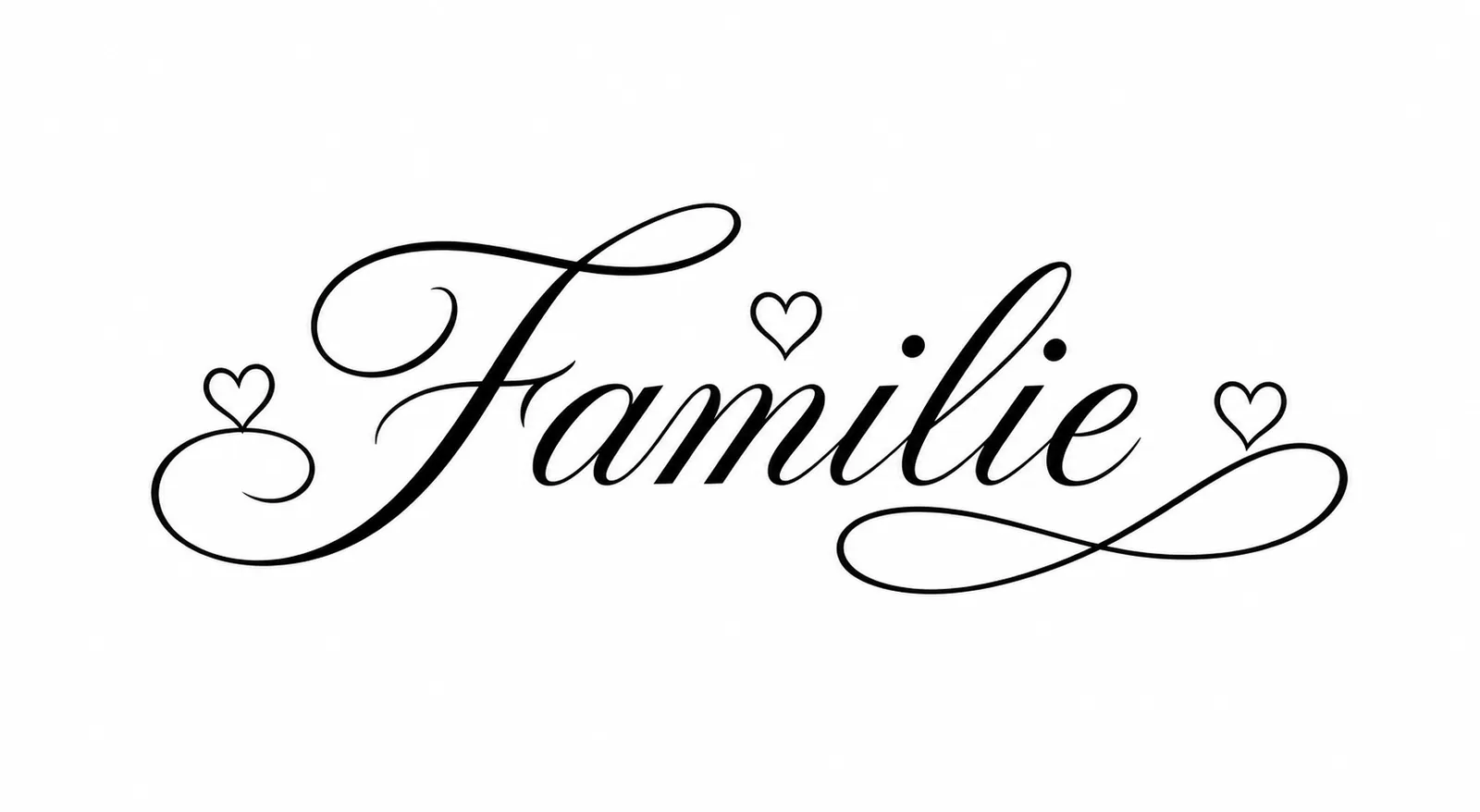
Choose a design whose shapes will remain easy to recognise at your preferred placement. A curved cherry blossom branch can follow the shape of your upper arm, while a single branch has a quieter look than a dense bouquet. A hummingbird with a flower needs more room for its beak, wings and petals. For lettering, look at the spaces between the letters as well as the word itself. You do not have to limit yourself to subtle designs. Bold lines, geometric shapes or a larger botanical piece can work just as well. Think about whether you want to see your tattoo often or keep it mostly under clothing. The examples below offer different approaches using flowers, colour and personal lettering.
These three designs were created with the Inkspira AI tattoo generator.
Choosing a placement for daily life
An upper-arm or thigh tattoo is generally easier to cover, while one on your forearm or wrist will be visible more often. A long branch can follow the forearm, while a round flower design has room on the shoulder. The measurements below are possible design sizes, not fixed minimums. Consider the days after your appointment too. A waistband can rub against a hip tattoo, and a bra strap can irritate the shoulder. Plan to wear loose clothing that touches the fresh tattoo as little as possible. The back of the hand also comes into frequent contact with water and friction. For a placement you rarely see yourself, such as your back, you may need help with aftercare during healing.
| Placement | Example design | Possible size | Daily life |
|---|---|---|---|
| Forearm | Flowering branch | 8–15 cm | Often visible |
| Upper arm | Single flower | 6–12 cm | Easy to cover |
| Shoulder | Floral arrangement | 8–15 cm | Watch bra straps |
| Wrist | Short lettering | 4–8 cm | Watch may rub |
| Thigh | Hummingbird and flower | 10–18 cm | Usually covered |
How much space do fine lines and lettering need?
Fine lines and lettering need enough space between them for individual shapes to remain distinguishable over time. In lettering around 5 cm long, the curves of ornate letters can already become crowded. A longer version or a simpler font gives those shapes more room. Ask to see both options at the planned size and check that you can read the word easily. The same applies to small stamens and closely spaced petals in a flower. A hummingbird with recognisable wing details needs more room than a simplified silhouette. Measurements such as 8 or 12 cm are starting points for discussion, not guarantees: the linework, placement and level of detail all affect the space needed. Ask which details could be left out if you want a smaller design.
Designing for mature skin
Mature skin can be thinner or drier and may react sensitively to tattooing, though its condition varies from person to person and from one area to another. Show your artist the chosen area during your consultation and ask whether the planned size and linework are suitable there. A more open design can help keep very fine work clear. Leave moles and noticeable skin changes uncovered so they can still be monitored. You might guide a branch around the area or move the placement. The [American Academy of Dermatology](https://www.aad.org/public/everyday-care/skin-care-basics/tattoos/caring-for-tattooed-skin/) advises choosing an area without moles. If you are unsure whether a skin change needs checking, speak to a dermatologist before your appointment.
When to seek medical advice
Speak to a doctor before getting tattooed if you have a medical condition, problems with wound healing or take medication regularly. This is especially relevant if you take blood thinners or medicines that affect your immune system, or if you have diabetes. Do not stop taking prescribed medication on your own. The [Austrian public health portal](https://www.gesundheit.gv.at/leben/gesundheitsvorsorge/haut/tattoos.html) recommends medical advice beforehand for people with medical conditions or those taking medication long term. Wait until irritated, inflamed or injured skin has healed before tattooing the area. When booking, ask how to care for the wound and whom to contact if you have problems. Seek prompt medical attention if redness increases, the area becomes increasingly hot or painful, it oozes, or you feel unwell. Allow time for healing rather than booking immediately before a swimming holiday.
What to bring to your consultation
Bring your design idea, preferred placement and an approximate size. Two versions can help: one with every detail you want and a simpler alternative. Your artist can then discuss what will remain clear in the available space. For lettering, check the spelling, capital letters and any dates carefully before your appointment. Ask to see photos of healed work in a similar style and discuss how the design would be adapted to your skin. In Germany, a small, simple tattoo often costs around €80–200; a larger or more detailed piece may cost more. Agree on the final price before your appointment. If you are choosing between two placements, ask to see the stencil in both positions and move your arm or leg while checking how it looks.
FAQ
Can I get a tattoo after 50?
Yes, you can get a tattoo at 50 or later. The condition of the chosen area of skin and your health are more relevant than your age. If you have a medical condition or take medication long term, speak to a doctor beforehand.
Where is a good place for a first tattoo?
The upper arm and thigh offer room for many designs and are usually easy to cover. The forearm is another option if you want to see your tattoo often. Consider whether clothing or jewellery might rub against the area while it heals.
What kinds of designs suit older skin?
Designs with recognisable shapes and enough space between details are a useful starting point. These can include flowers, lettering or larger geometric pieces. Discuss suitable lines and sizes with your artist for the specific area of skin.
How much does a small tattoo cost in Germany?
A small, simple tattoo often costs around €80–200. More detail, colour or a larger area can increase the price. Ask for a price for your design before the appointment.
Can I get a tattoo over a mole?
Moles should be left uncovered when you get a tattoo so changes remain easier to see. If a mole is in the middle of your planned design, you can move the tattoo or design around it.
How long does a tattoo take to heal?
Surface healing often takes around two weeks, though it can take longer. Minimise friction on the area during that time and follow the aftercare instructions you receive at your appointment. Seek medical advice if redness, warmth or pain increases.