Strength Tattoo: Symbols & Meaning
A strength tattoo makes it visible that you came through a hard chapter without letting it break you, whether as a symbol or a word. Which design fits you depends most on the kind of strength you mean: holding on, starting over, or keeping your inner calm. Here you'll get the common symbols, their meaning, the placements that work, and an honest look at pain and longevity.
You might also like:strength symbols and their meaning in detail · tattoo ideas for strong women · tattoos and their meanings at a glance
Templates & examples
Create your own design
Describe your idea, pick a style – the AI creates one-of-a-kind tattoo designs in seconds.
Create your own tattoo
Which strength tattoo suits you?
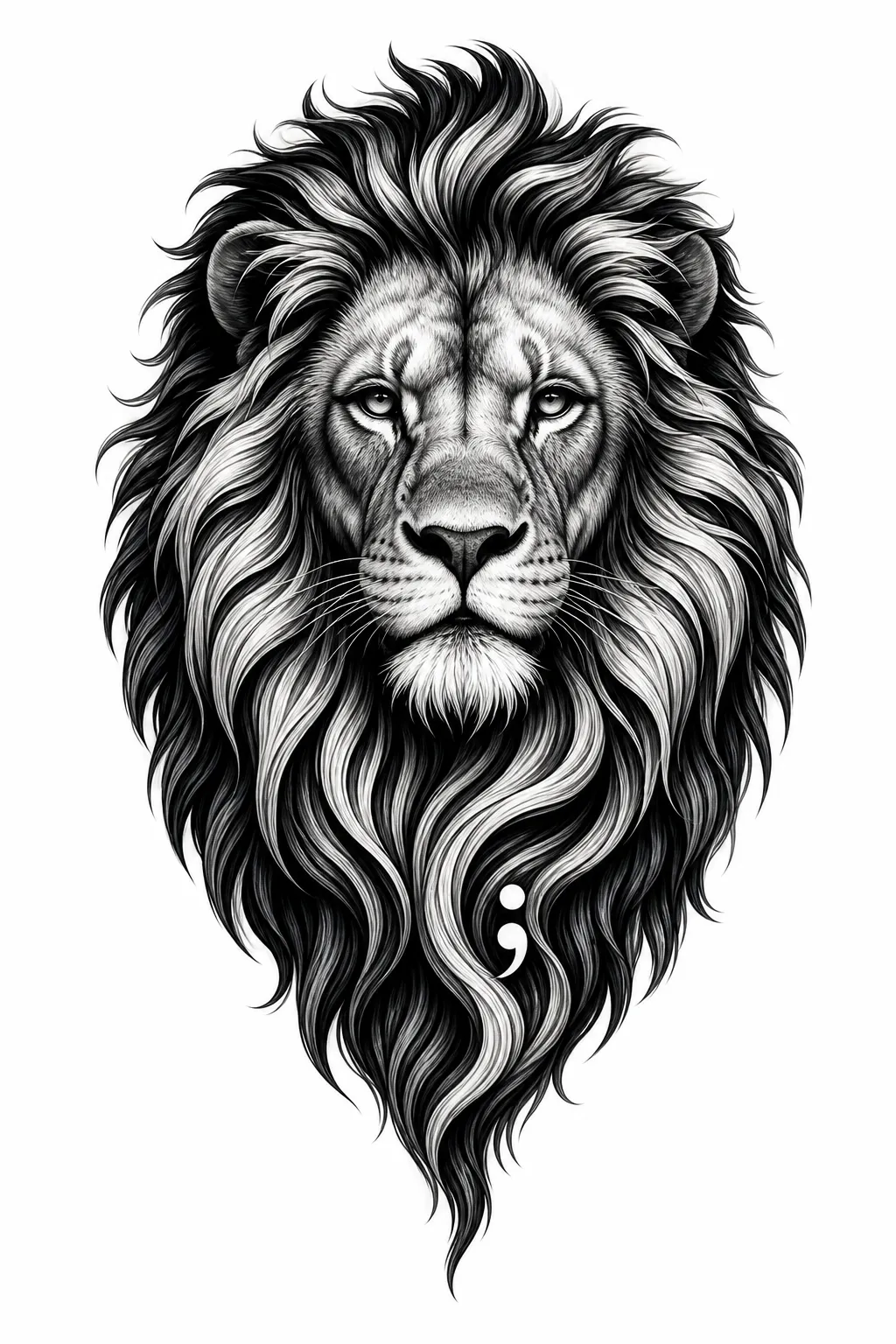
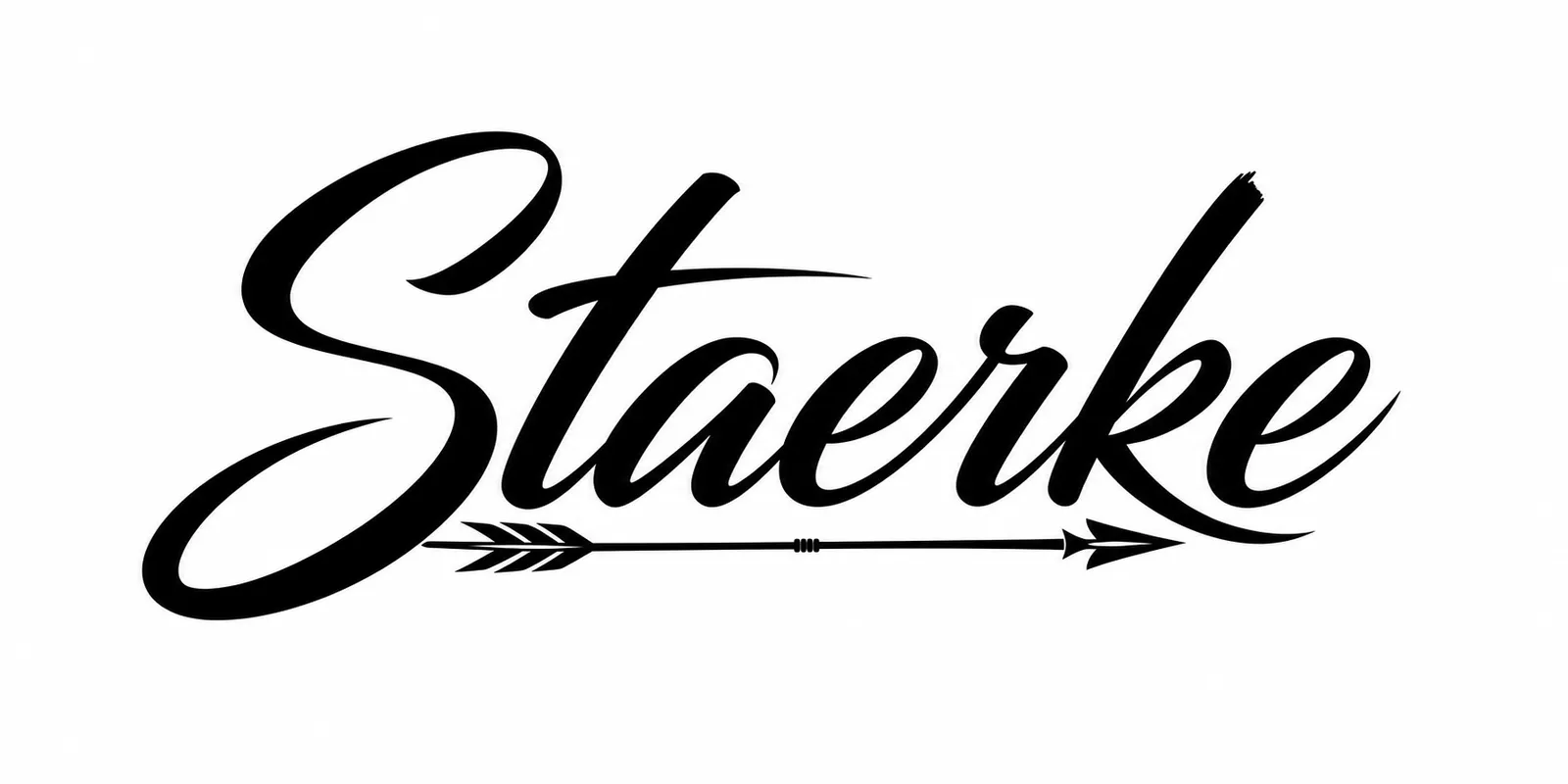
The most common answer in studios is the lion, closely followed by the semicolon and a simple piece of lettering like "stay strong." But there's no blanket answer, because strength means holding on for one client and a fresh start for the next. Rather than chasing the most popular design, it's worth a quick thought about which situation you actually want to capture.
Symbols of strength at a glance
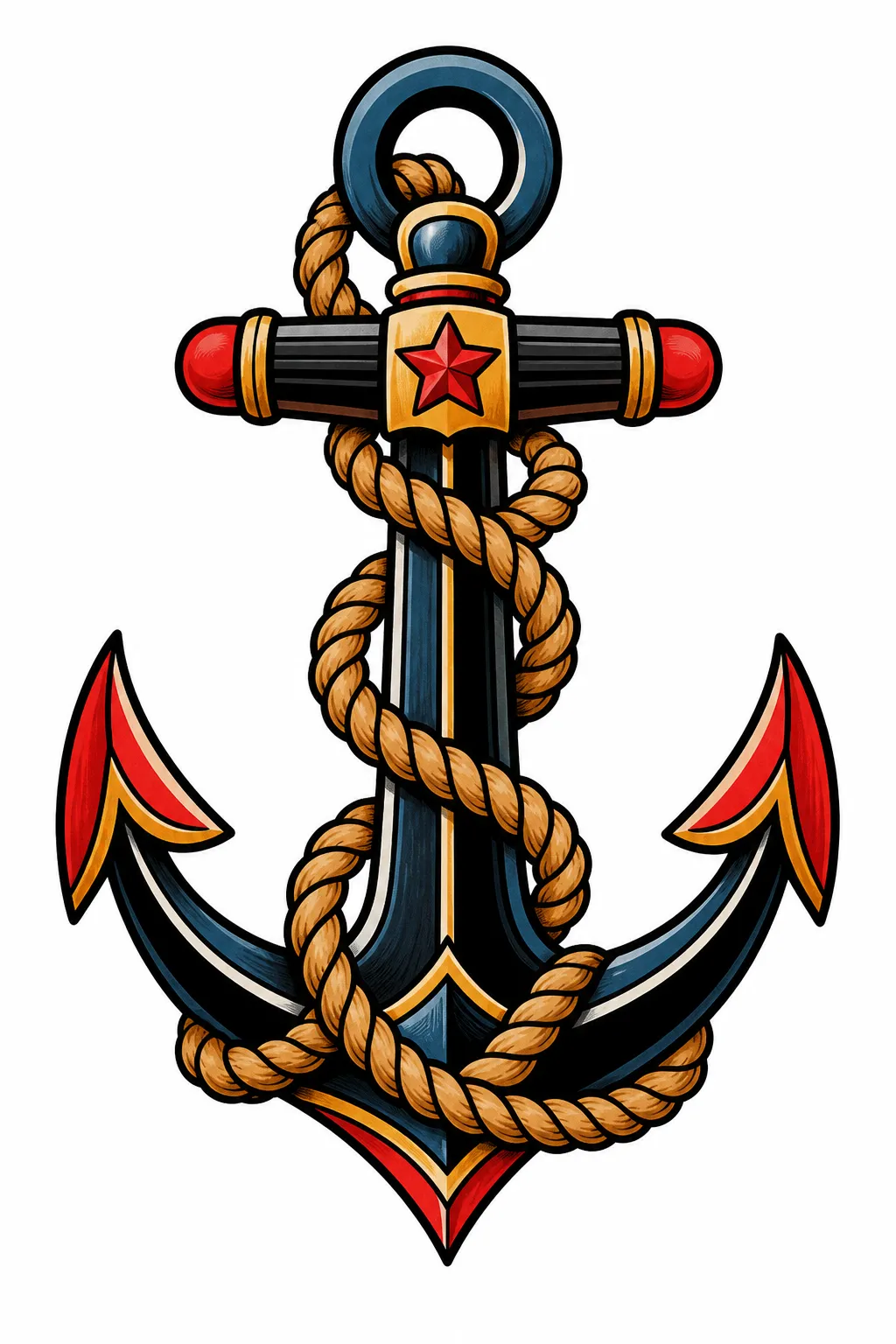
A few signs come up again and again, each with its own undertone. The lion stands for courage and self-assertion, the wolf for loyalty and the will to stand your ground in the pack and alone. A mountain or a slim mountain range tells of a path you overcame; the anchor of grounding in turbulent times. The lotus flower grows from the mud into the light and is therefore a popular sign of strength after a crisis. The semicolon comes from the mental-health movement and marks a story that goes on, even though it could have ended. If you like it more abstract, go for the Norse valknut or the unalome, which traces the path to inner clarity.
Inner strength or raw power?
Get clear on which kind of strength you mean before you pick a design. A lion in Old School style on the upper arm sends a different signal than a fine semicolon on the wrist. Spot and style often shift the message more than the symbol itself.
Where to place a strength tattoo
In practice, people most often put their strength tattoo where they can see it themselves: the forearm, wrist, or inner upper arm. There's a practical reason, on tough days it works like a small reminder of your own resolve. If you want to keep it more private, go for the ribs, nape, or shoulder blade. For a first piece of lettering, the forearm is a good bet, because the skin there lies calm and the lines stay clean for a long time.
Pain, size, and longevity
On the forearm and upper arm the pain is very manageable for most people, while the ribs and inner wrist are among the trickier spots. Fine symbols from about three centimeters stay readable over the years; if a design gets too small and too detailed, the lines blur over time. If you're torn between several signs, our designer can show you versions in seconds so you can compare them side by side before you commit.
FAQ
Which tattoo stands for strength?
Classics are the lion, wolf, mountain, anchor, lotus flower, and the semicolon. The lion stands for courage, the semicolon for carrying on after a hard chapter. Which one fits depends on the kind of strength you mean.
Which symbols stand for strength and power?
Besides animals like the lion and wolf, the mountain, anchor, phoenix, and Norse valknut count as signs of power. From the spiritual corner come the lotus and unalome, which lean more toward inner strength. A short piece of lettering can carry the same message too.
Is there a symbol for inner strength?
Yes, common picks are the lotus flower, unalome, semicolon, and a single mountain ridge. They stand less for muscle than for the ability to come through crises and stay calm doing it.
Which strength tattoo suits you after a hard time?
Many people then choose the semicolon or the lotus flower, because both carry the theme of carrying on. A date in Roman numerals or a phoenix work well too. What matters is that the design is personally tied to the moment for you.
Where does a strength tattoo look best?
The forearm, wrist, and upper arm are popular, because you keep the design in view yourself. For subtle versions, the nape, ribs, or shoulder blade work well. Fine symbols need a bit of room so the lines stay clean over the years.