Back Tattoos for Women: Designs and Placement
Updated
A narrow floral vine can follow the line of your spine, while a pair of wings needs room across both shoulder blades. Back tattoos can be small and placed to one side, or cover the whole back. Before choosing a design, consider its size, the clothes you usually wear and how your skin moves. A design that looks balanced on a flat page may sit differently on your body, so it helps to think about placement early.
You might also like:Tattoo Designs: Ideas for Your Next Tattoo · Nape Tattoos for Women: Ideas and Placement · Tattoo Ideas: Finding a Design That Fits
Templates & examples
Create your own design
Describe your idea, pick a style – the AI creates one-of-a-kind tattoo designs in seconds.
Tools for your tattoo design
Where should a back tattoo go?
Narrow designs work well along the spine, wider shapes suit the upper back, and a single flower or symbol can sit neatly on one shoulder blade. A vine can run down from the nape without taking up the full width of your back. Wings need enough space for the feathers to remain distinct, while a round mandala can form a calm centre between the shoulder blades. Move it to one side and the balance changes. The sizes and prices below are rough guides for simple to moderately detailed work in Germany. Intricate designs or multiple sessions can cost more. Measure the space on your own body: the same design can look wider or narrower on different backs.
| Area | Design size | Approximate cost | Typical effect |
|---|---|---|---|
| Shoulder blade | 5–10 cm | €100–€250 | Small and to one side |
| Spine | 15–25 cm | €250–€500 | Narrow and vertical |
| Upper back | 15–25 cm | €250–€500 | Wide or centred |
| Large area of the back | 30 cm and up | From €800 | Broad coverage, often multiple sessions |
Three back tattoo designs
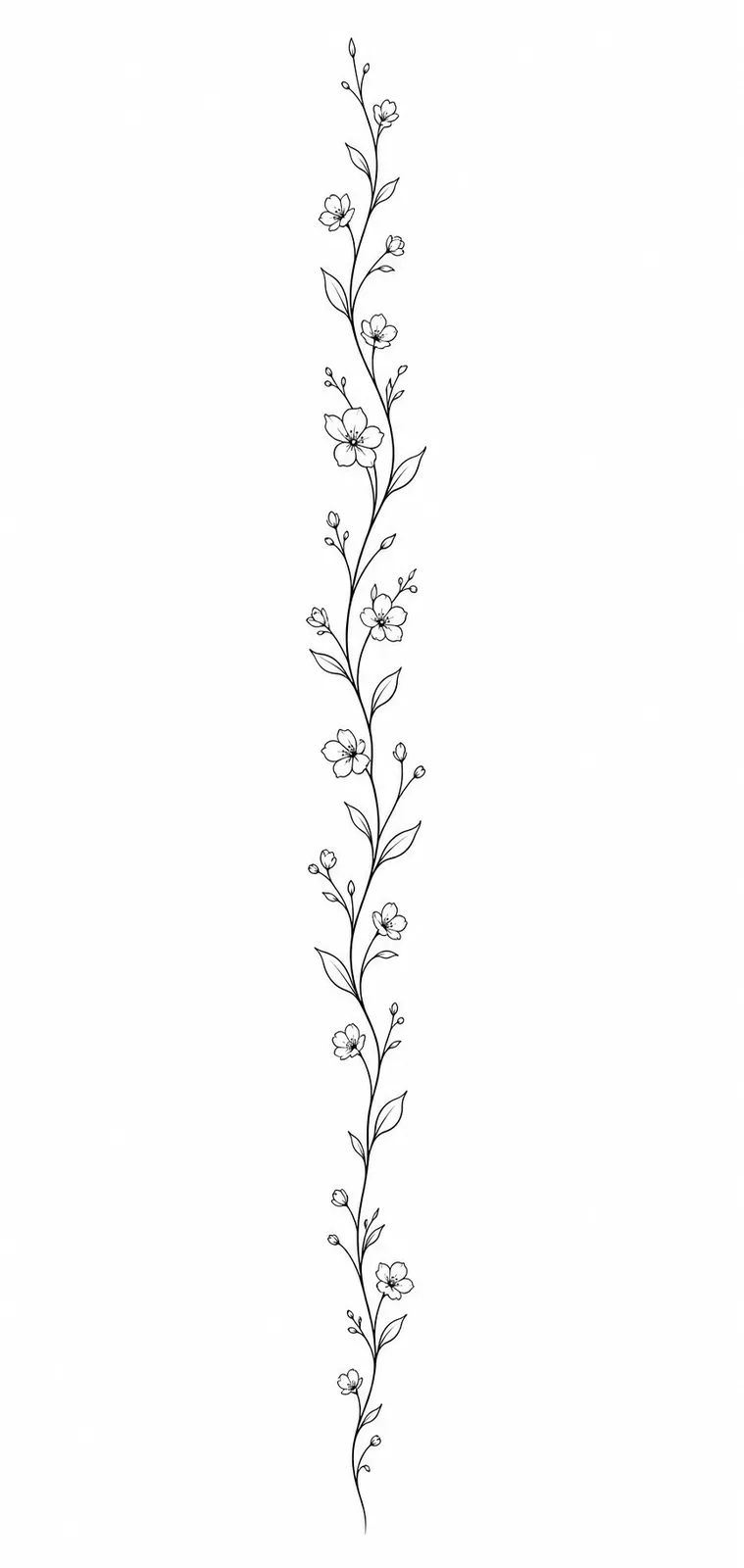
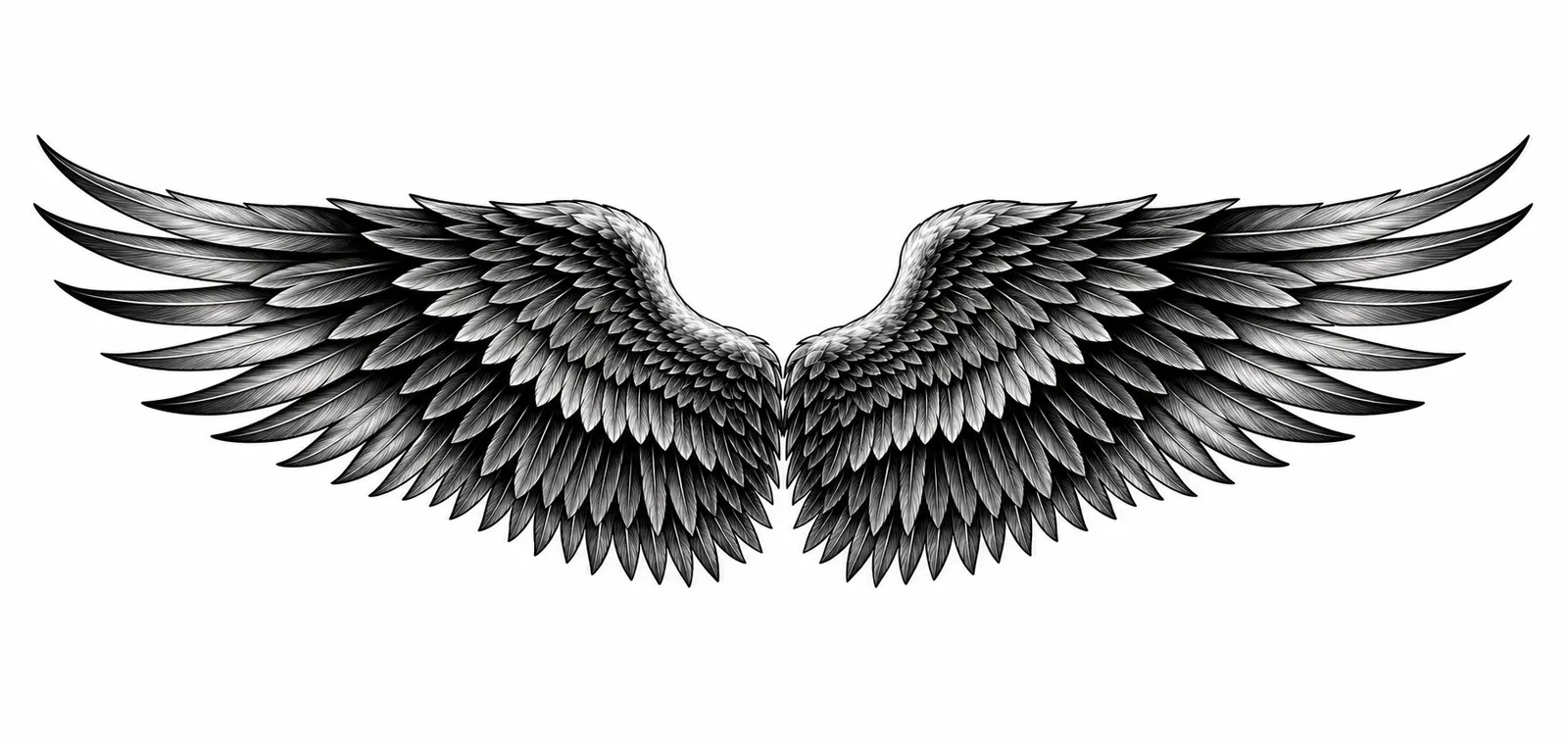
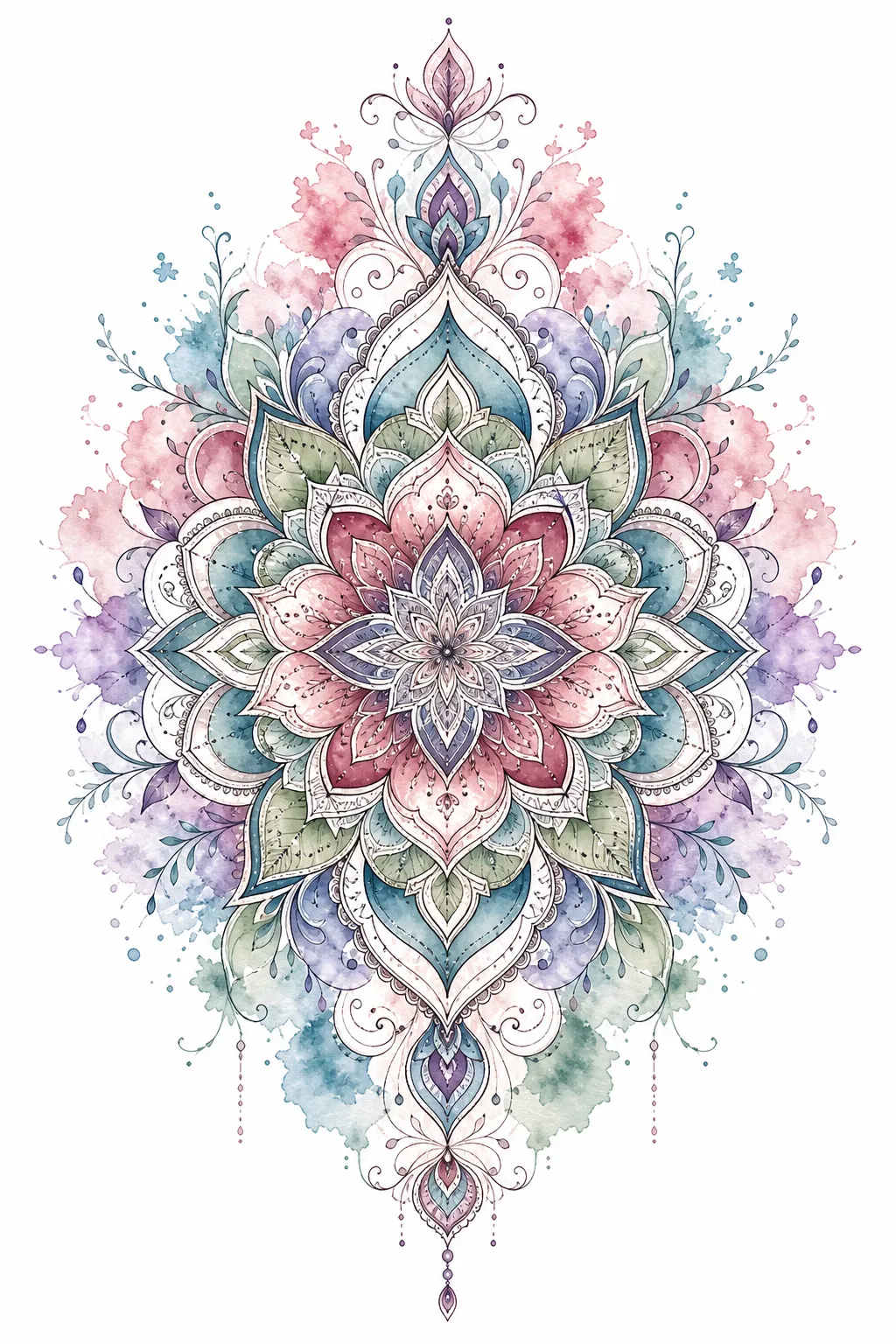
These designs use the back in three different ways: along its length, across its width and around a central point. The slim floral vine draws the eye downwards, but its fine lines still need enough space between them for individual leaves to remain recognisable over time. The wings spread across both shoulder blades. When planning a similar design, check that the outer feathers do not end where a strap or neckline will constantly cut across them. The pastel mandala relies on soft colour transitions; a clear internal structure helps the design remain recognisable from a little distance.
These three designs were created with the Inkspira AI tattoo generator.
How can you check placement on your back?
Use photos from several angles and check the design against clothes you wear often. Ask someone to photograph you from behind while you stand straight, with your arms relaxed and your back in its natural position. A second photo with your arms slightly raised will show how the area around your shoulder blades changes. Check what would be visible with a low neckline or a bra strap too. For an initial preview, place a photo overlay of the design on your back photo. Avoid relying on a mirror photo taken at a sharp angle: perspective and posture can make a straight line appear crooked. A digital preview cannot reliably show how the design will behave as your skin moves. Before tattooing, ask the artist to apply a stencil and check it in a mirror and another photo. Speak up if an end is too close to a strap or one side sits too high.
How do you plan a design you might extend later?
Decide which direction you might want to extend the design and leave space on that side. If a single flower could one day become a vine, it needs the start of a stem that can connect to more leaves. A tightly enclosed mandala, by contrast, is more of a self-contained centrepiece. Any additions need to work with its edge rather than touch it at random. Before your first appointment, tell your artist if you might eventually extend the tattoo towards your nape, shoulder or lower back. They can take that into account when planning the linework and size, even if you have not settled on the full design. Consider using similar line weights and leaving enough clear skin between existing and new shapes. For a large project, ask how it could be divided into stages and what each session may cost. That makes it easier to understand what the quote includes and what remains to be decided.
Pain, appointments and healing
Tattooing over the spine and near bony areas can feel more uncomfortable than on the fleshier parts of the upper back. Many people also find the sides towards the ribs more sensitive. A fixed pain scale cannot tell you exactly how it will feel: the length of the session and how you feel on the day matter too. For a large design, discuss breaks and multiple appointments in advance. For the first few days, choose clothing that sits loosely over the fresh tattoo. A bra fastening, tight waistband or rucksack can rub against the area, depending on its position. Ask your studio how to change the dressing and clean the tattoo; someone with clean hands can help if it is hard to reach. If redness increases, you develop severe pain or pus appears, seek medical advice.
FAQ
How much does a back tattoo cost in Germany?
A simple 5–10 cm design on the shoulder blade can cost roughly €100–€250, while larger back pieces often start at around €800. As a rough guide, a 15–25 cm vine or upper-back design may cost €250–€500. Detail, colour and the number of sessions affect the final price.
How painful is a back tattoo?
The spine, bony areas and sides towards the ribs can be more painful than the fleshier parts of the upper back. A long session can also become tiring. You can discuss breaks with your artist beforehand.
How long does a back tattoo take to heal?
Surface healing often takes about two to four weeks, though the skin can take longer to recover fully. Clothing or a rucksack can rub against the fresh tattoo. Follow your studio’s aftercare instructions.
What designs work for a small back tattoo?
A single flower, a short word or a simple symbol can work well on a shoulder blade. Leave enough room between lines and details so they are not crowded together.
Can you extend a back tattoo later?
Yes, especially if you leave space and consider a possible direction for the addition when planning the first design. A vine, for example, can continue along an existing stem. Tell your artist about the possibility before your first appointment.