Smiley Tattoo Ideas
Updated
A smiley tattoo can be friendly and understated or cheeky and bold. Its expression depends on how the eyes and mouth work together, while its size affects how much detail will fit. A small black outline has a different feel from a yellow face with melting drips. Think about the mood you want, then look at the design at your intended size and placement.
You might also like:Tattoo Ideas: Finding a Design That Fits · Tattoo Designs: Ideas for Your Next Tattoo · Design Your Own Tattoo
Templates & examples
Create your own design
Describe your idea, pick a style – the AI creates one-of-a-kind tattoo designs in seconds.
Tools for your tattoo design
What can a smiley tattoo mean?
A smiley tattoo can stand for joy, lightness or a memory of time spent together. It doesn't have to signal happiness, though: a crooked grin can feel ironic, while a laughing face with sad eyes can express mixed emotions. You might simply like the clear shape, with no story attached. Think about the mood you want the face to convey. Round dot eyes and an even mouth tend to look friendly and calm. Uneven eyes or a slanted mouth give the face a more individual character. Adding a heart or a flower changes the impression too. If the design reminds you of music or a particular time in your life, a deliberately nostalgic choice of colours may suit it.
Three smiley designs and how they look
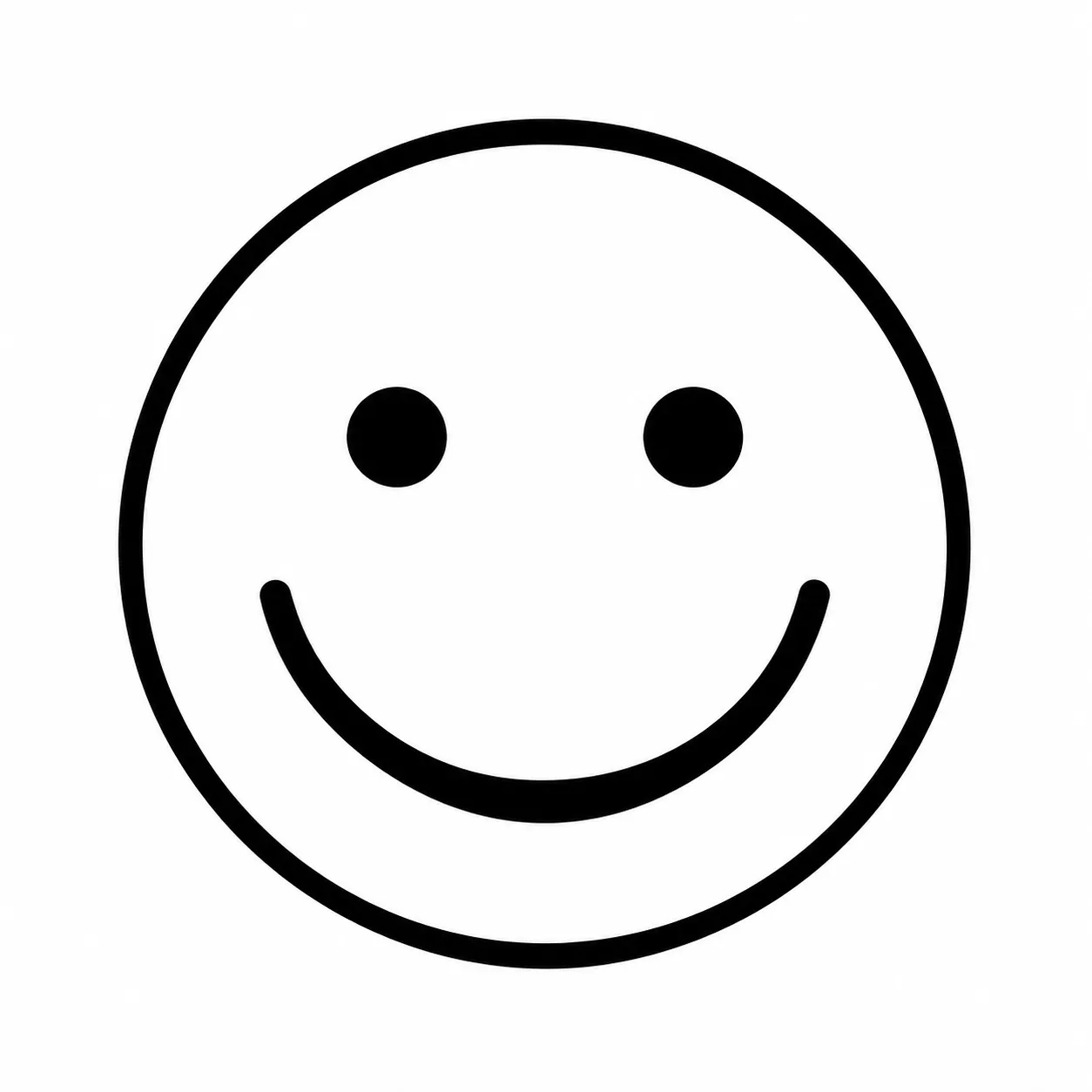
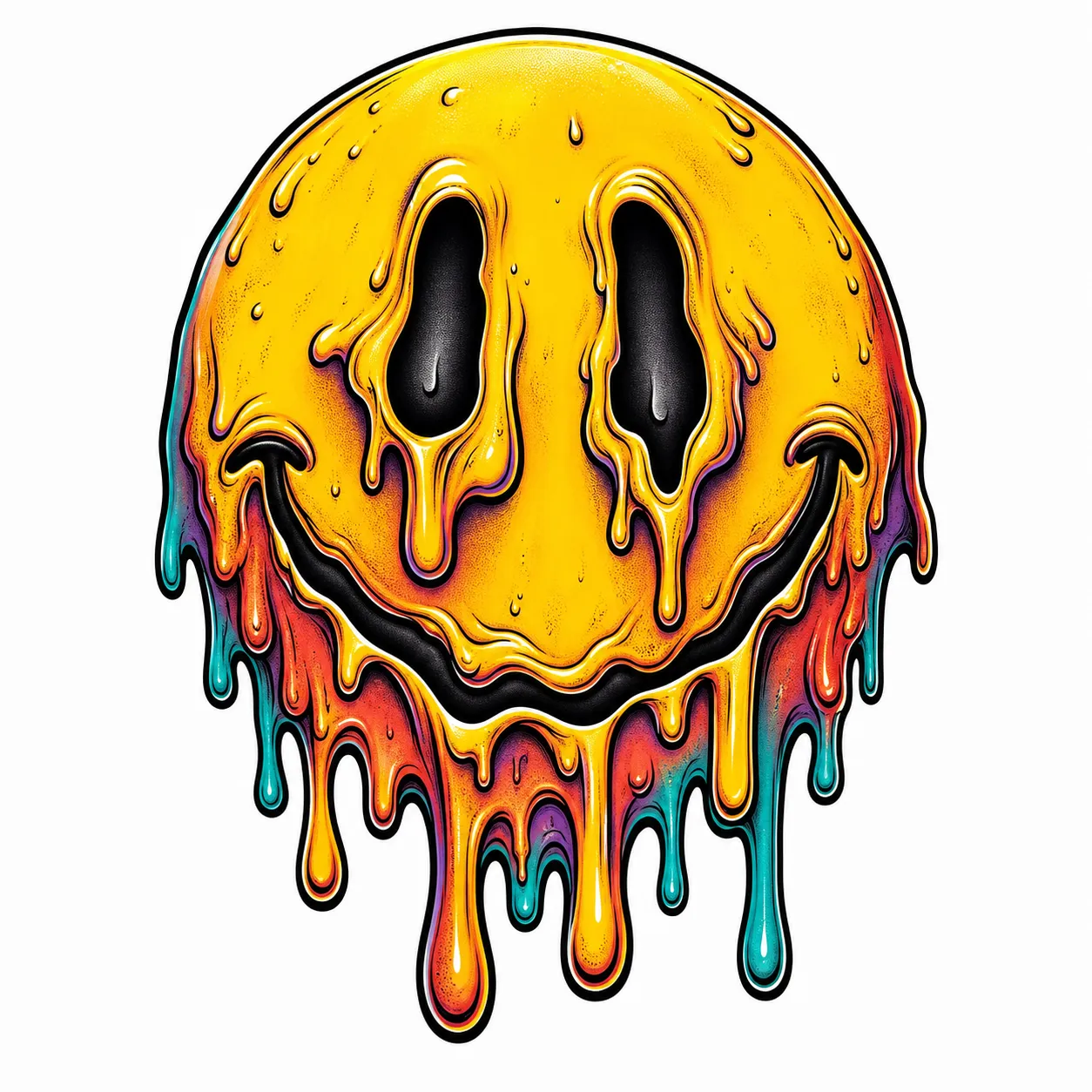
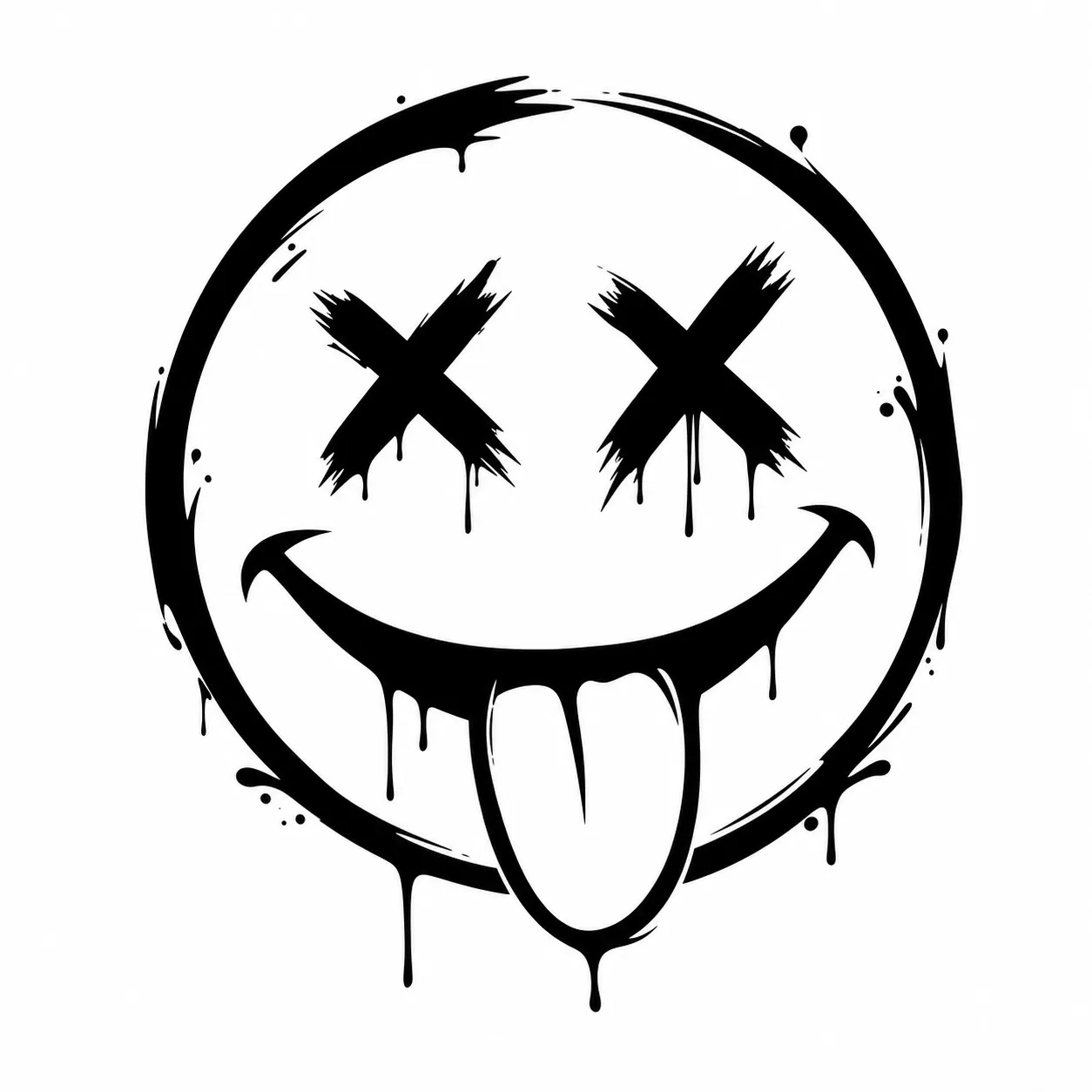
These three designs range from a simple outline to a face with a strong sense of movement. In the classic version, a few black lines carry the whole expression, making it recognisable without shading or extra details. The melting yellow face feels more animated because of its drips, but the separate colours and spaces between them need more room. The face with X-shaped eyes and a tongue has a cheeky expression and a bolder graphic look. If one appeals to you, pay close attention to the eyes and mouth: a small change to either can turn a friendly face into one that looks wild or ironic.
These three designs were created with the Inkspira AI tattoo generator.
How big should the face be?
For a simple smiley, a diameter of around 2–3 cm is a useful starting point; details such as X-shaped eyes, a tongue or drips have more room at around 4–6 cm. These are design suggestions, not fixed minimum sizes. The right size also depends on the weight of the lines and how closely the details sit together. Look at the open spaces between the eyes, mouth and outer circle. If those gaps are too narrow, the shapes may become less clear over time. For a very small face, consider leaving out an extra detail instead of squeezing everything in. Compare two designs at the size you plan to wear: can you still read the expression from a little distance without squinting?
Where can you place a smiley tattoo?
The forearm and upper arm offer relatively even surfaces for a round smiley, while a small design on the wrist is especially visible. Fingers offer little space, and hands get a lot of everyday use. That can make a design there lose clarity more quickly. A circle may also look different as your position changes on a curved or moving part of the body. Use the table to compare sizes and designs. Hold your design against the intended spot and move your arm or hand to see whether the shape of your body visibly changes the expression. A wider area is usually easier to work with for a colourful face with drips than the narrow side of a finger.
| Placement | Design size | Suitable design | Consider |
|---|---|---|---|
| Forearm | 3–6 cm | Outline or colour | Easy to see |
| Upper arm | 4–6 cm | Smiley with drips | More space |
| Wrist | 2–3 cm | Simple outline | Moving skin |
| Finger | Around 2 cm | Very simple face | Heavy everyday use |
Black or yellow: how does colour change the design?
Black makes the eyes, mouth and outline distinct; yellow gives the face its familiar filled-in colour. You can combine both, or leave out the circle and tattoo only the face. Without an outer line, the design feels more open, but its shape depends more on the spacing between the eyes and mouth. For a yellow smiley, check whether the expression is still clear without the coloured background. A light colour can look different on skin than it does on a white screen, and colours can change over time. A black outline can help define the shape. With coloured drips, visible spaces between them help each one read as a separate shape instead of merging with the face into a small patch.
How much does a small smiley tattoo cost?
A small, simple smiley tattoo in Germany will often cost around €80–€200. A larger design with several colours or elaborate drips can cost more. Even a tattoo made up of just a few lines involves preparation and materials, which is why many studios have a minimum price. When asking a studio for a quote, send the design along with your preferred size and placement. Explain whether you want black lines only or a filled-in yellow face. If you're deciding between two sizes, ask the studio to assess both. That gives you a basis for deciding whether the extra room for eyes, a tongue or drips is worth the additional work and cost.
FAQ
What does a smiley tattoo mean?
A smiley can symbolise joy, lightness or a memory. A crooked mouth, sad eyes or other details can also give it an ironic or thoughtful expression.
How small can a smiley tattoo be?
A simple face can be planned at around 2–3 cm. Extra details benefit from more space so the eyes, mouth and outline aren't too close together.
How much does a small smiley tattoo cost in Germany?
A small, simple smiley often costs around €80–€200 in Germany. A colour design or a more elaborate one can cost more, and the studio's minimum price also matters.
Is a smiley tattoo on a finger a good idea?
A simple face can work on a finger if you account for the limited space and heavy everyday use of your hands. Fine lines can lose clarity more quickly there; a forearm offers more room for details.
Can you get a smiley tattoo without a circle?
Yes, eyes and a mouth can form a recognisable face on their own. Without a circle, their spacing and proportions have an especially strong effect on whether the face looks friendly or crooked.