Organ Donation Tattoo
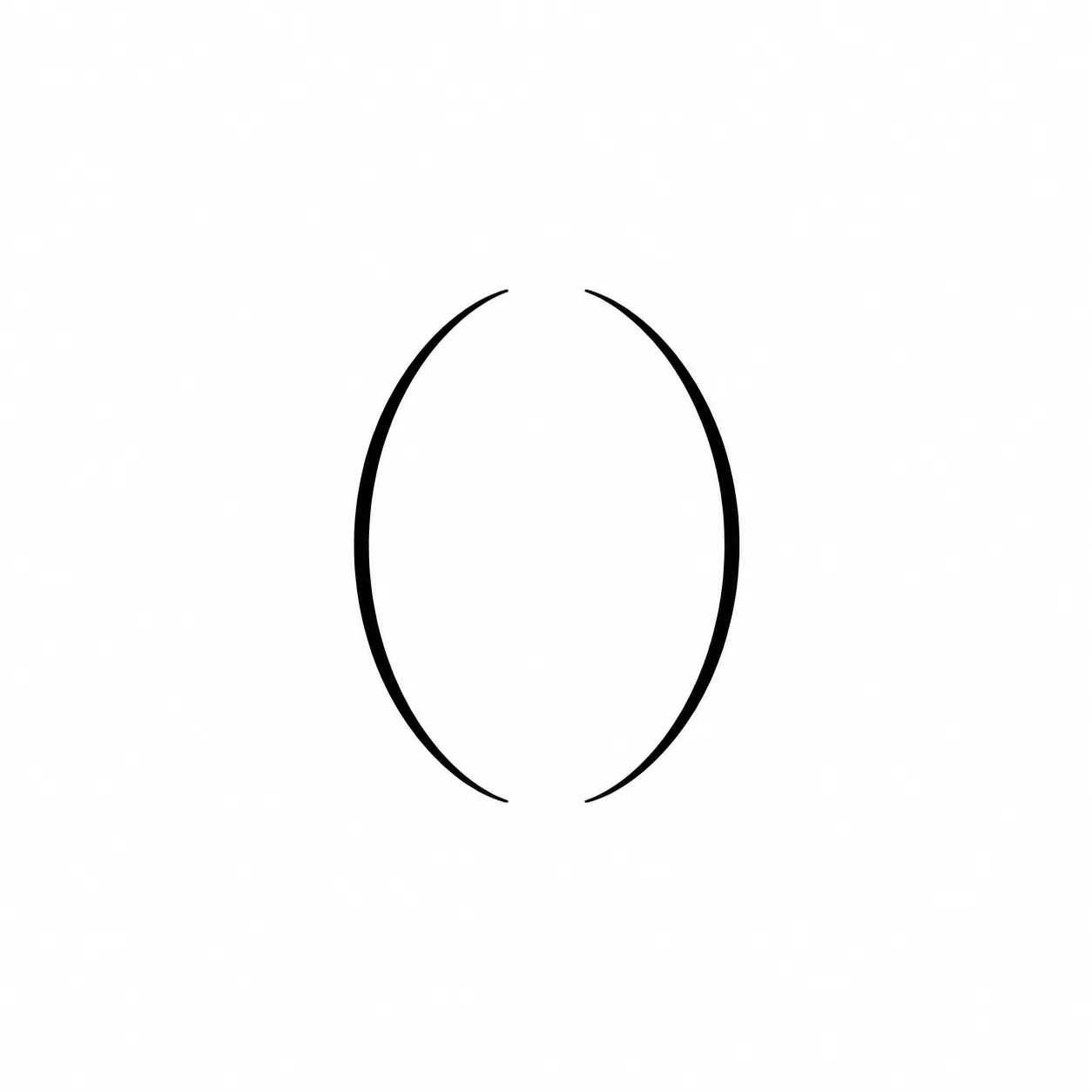
An organ donation tattoo makes a personal decision visible: whoever wears it signals their willingness to donate organs after death. The idea took off largely through the "opt.ink" campaign, which designed a dedicated symbol for it. In Germany, though, a tattoo like this isn't legally binding. What counts is still your organ donor card, an entry in the organ donor register, or a written declaration of intent. So the motif is a statement and a conversation starter, not a substitute for official documentation. Browse motif ideas below, or use the AI generator to sketch your own design in seconds.
You might also like:related tattoo ideas for organ donors · general tattoo motifs to browse · numbing cream for a less painful session
Templates & examples
Create your own design
Describe your idea, pick a style – the AI creates one-of-a-kind tattoo designs in seconds.
Create your own tattoo
Where the opt.ink Symbol Comes From and What It Means
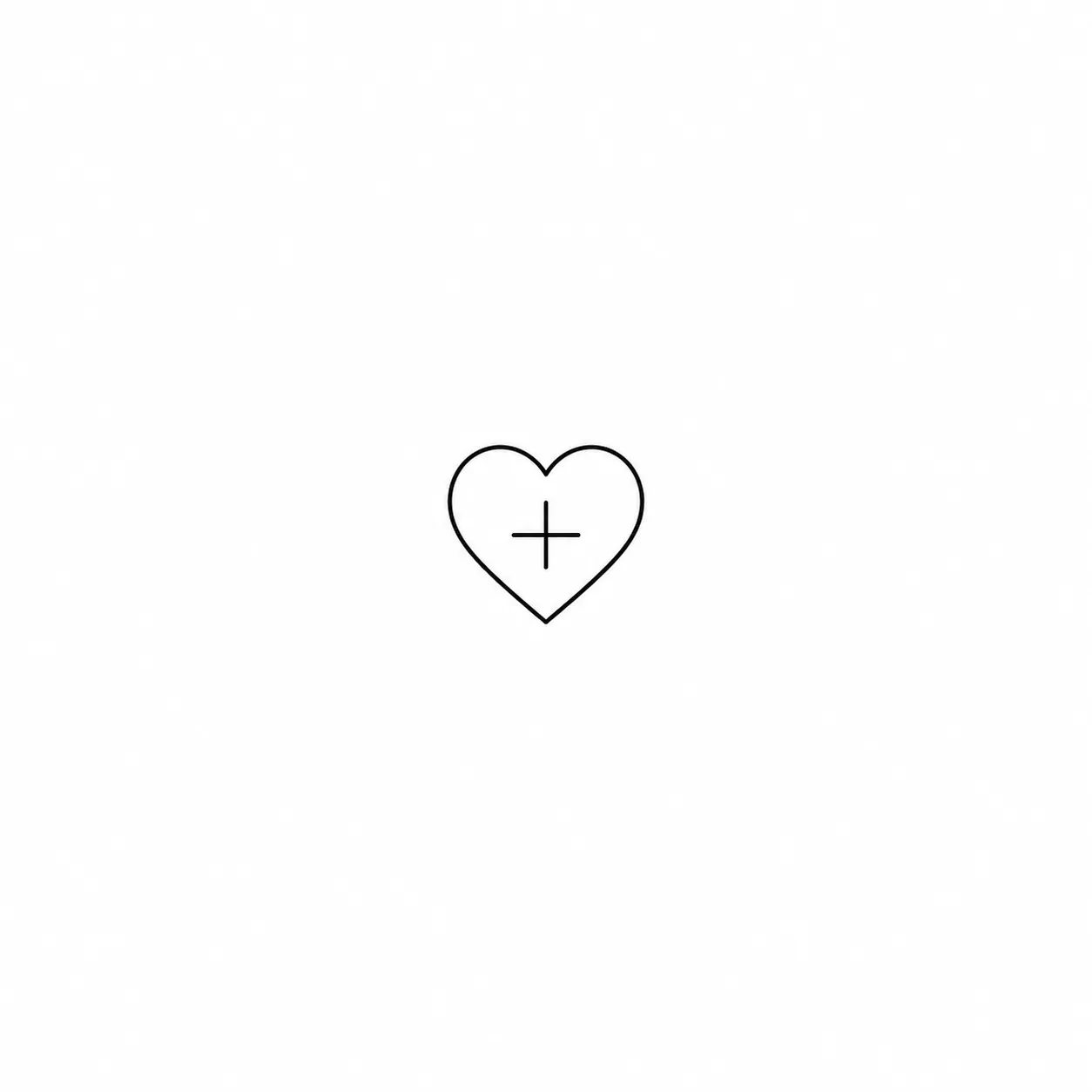
The best-known motif traces back to the "opt.ink" campaign, a play on the English "opt in" (actively choosing something) and "ink". With its clean lines, the sign deliberately avoids any medical cliche and is meant to spark curiosity and start conversations. People who wear it often get asked about it, and that's exactly the point: drawing attention to a topic many would rather not think about. You're not tied to this one symbol, though. Individual motifs like a stylized heart or a continuous life line carry the same message.
Why a Tattoo Doesn't Replace an Organ Donor Card
As visible as a tattoo is, in an emergency the only thing that counts in Germany is your documented declaration of intent. Doctors go by the organ donor card, the entry in the nationwide organ donor register, or a written directive, not by a motif on your skin. A tattoo has no legal weight and could even be overlooked at the crucial moment. So treat it as a complement that carries your stance out into the world, and also fill out the free donor card or register your decision. That way your choice is unambiguously recorded and easy to find.
Fitting Motifs for an Organ Donation Tattoo
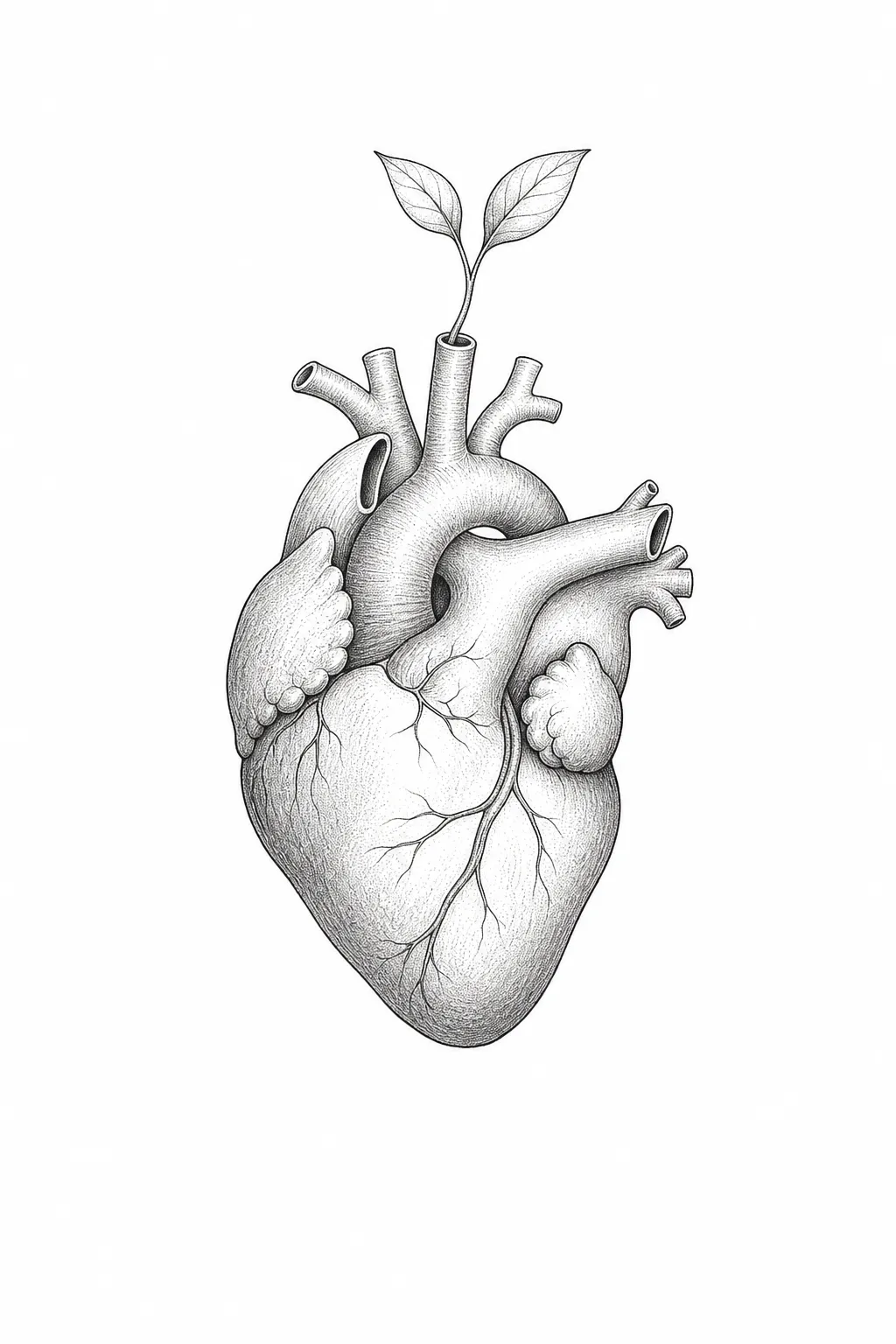
Beyond the official opt.ink sign, many reach for symbols of life and passing something on: a continuous heartbeat line, a blossoming branch, interlocking circles, or a simple heart. Some pair the motif with a short piece of lettering like "opt in" or a personal date. Delicate fine line versions read as understated and sit well on the wrist or forearm, while bolder lines stay clearer over the long term on larger areas. What matters is that you identify with the image. It stays with you permanently and will keep prompting questions and explanations.
Where the Motif Sits Best
So the message lands, many choose a well-visible spot: the inner forearm, the wrist, or the upper arm come up often, because the symbol catches the eye day to day and starts conversations. If you prefer something more private, the calf or the ribcage work. Keep in mind that high-wear, sun-exposed spots fade a little faster over time. Ultimately the idea lives on being a visible statement, so the spot should be easy to notice both for you and for others.
The Conversation With Family Still Matters
Even with a completed donor card, you make things much easier for your family if they know your stance. In practice, family members are often asked about your presumed wishes in an emergency. A tattoo can start that conversation, but it doesn't replace it. Talk openly about how you feel on organ donation and keep your documents somewhere they can be found. That spares your loved ones uncertainty in an already difficult situation. In the end, the combination of a visible sign, official documentation, and a clear conversation makes your decision the most reliable.
FAQ
Is an organ donation tattoo legally binding?
No. In Germany, only your documented decision counts, through an organ donor card, an entry in the organ donor register, or a written declaration of intent. A tattoo is a personal statement with no legal weight, and it should complement those official documents, never replace them. In an emergency, doctors go solely by the officially recorded declaration, not by a motif on your skin.
Where's the best spot to get a tattoo like this?
So the message stays visible, the forearm, wrist, or upper arm work especially well. The symbol catches the eye day to day there and starts conversations. If you prefer something more discreet, go with the calf or the ribcage. Spots heavily exposed to the sun fade a little faster over the years.
Where does the opt.ink symbol come from?
It emerged from the "opt.ink" campaign, whose name combines the terms "opt in" and "ink". The sign is deliberately meant to spark curiosity and get people talking about organ donation. It isn't mandatory, though. You can just as easily choose an individual motif.
Do I still need to fill out a donor card if I have the tattoo?
Yes, absolutely. Only the donor card, the register entry, or a written declaration count in an emergency. The card is free, can be changed at any time, and needs no medical registration. Think of the tattoo as a visible complement to your officially recorded decision. Without the written documentation, your wishes wouldn't be clearly established in legal terms.
How do I find a fitting motif?
First decide whether you want the official opt.ink sign or your own symbol of life and passing something on, like a heartbeat line or a branch. Browse the designs, gather ideas, and test different variations with the AI generator until the style, size, and message feel right to you.