Arm Tattoo
The arm is probably the most popular spot for a tattoo: well visible, suited to small symbols as much as large-scale motifs, and usually easy to tolerate compared with bone-close spots. Whether fine lettering on the forearm, a sleeve across the whole upper arm, or a round motif on the bicep, the arm leaves room for nearly any style. Healing here tends to be uncomplicated too. Browse designs below, or use the AI generator to create your own design in seconds and see right away how it works on the upper or lower arm.
You might also like:ideas for forearm tattoos · arm motifs for men · arm motifs for women
Templates & examples
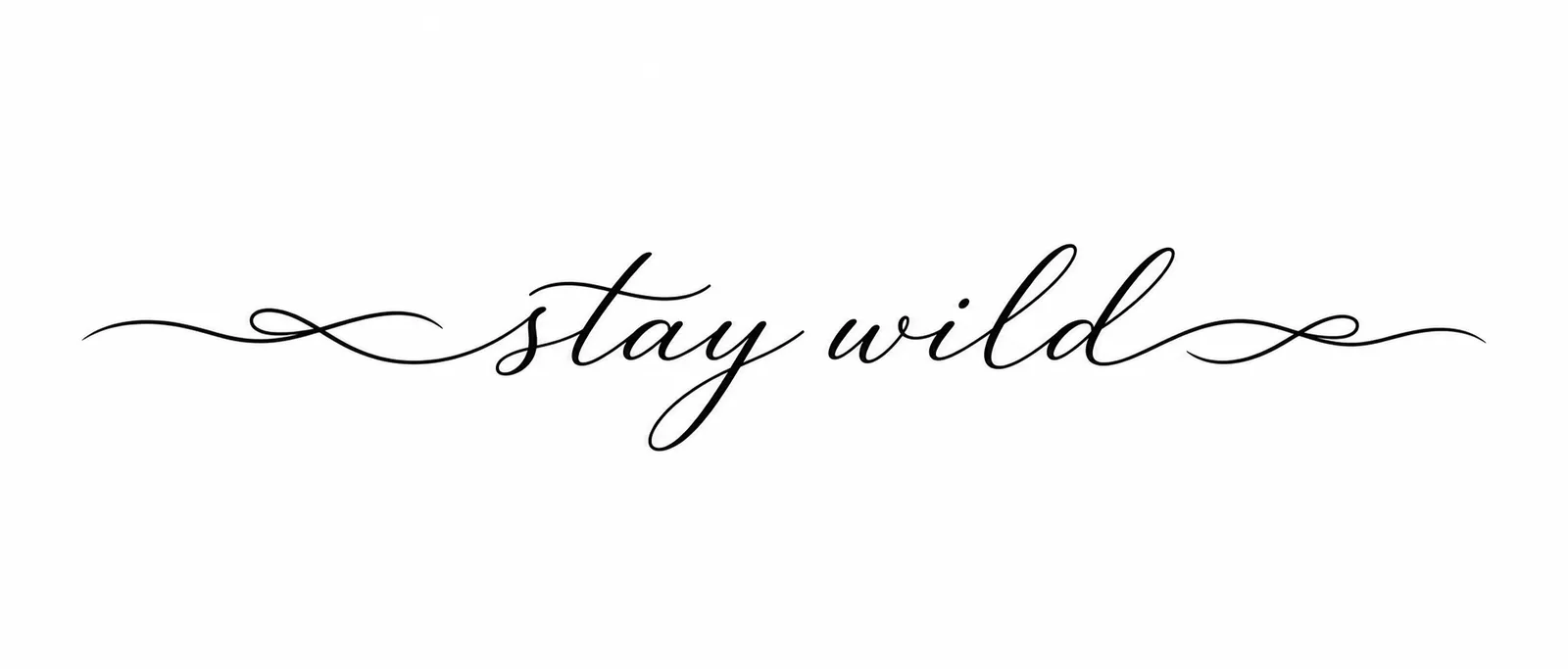
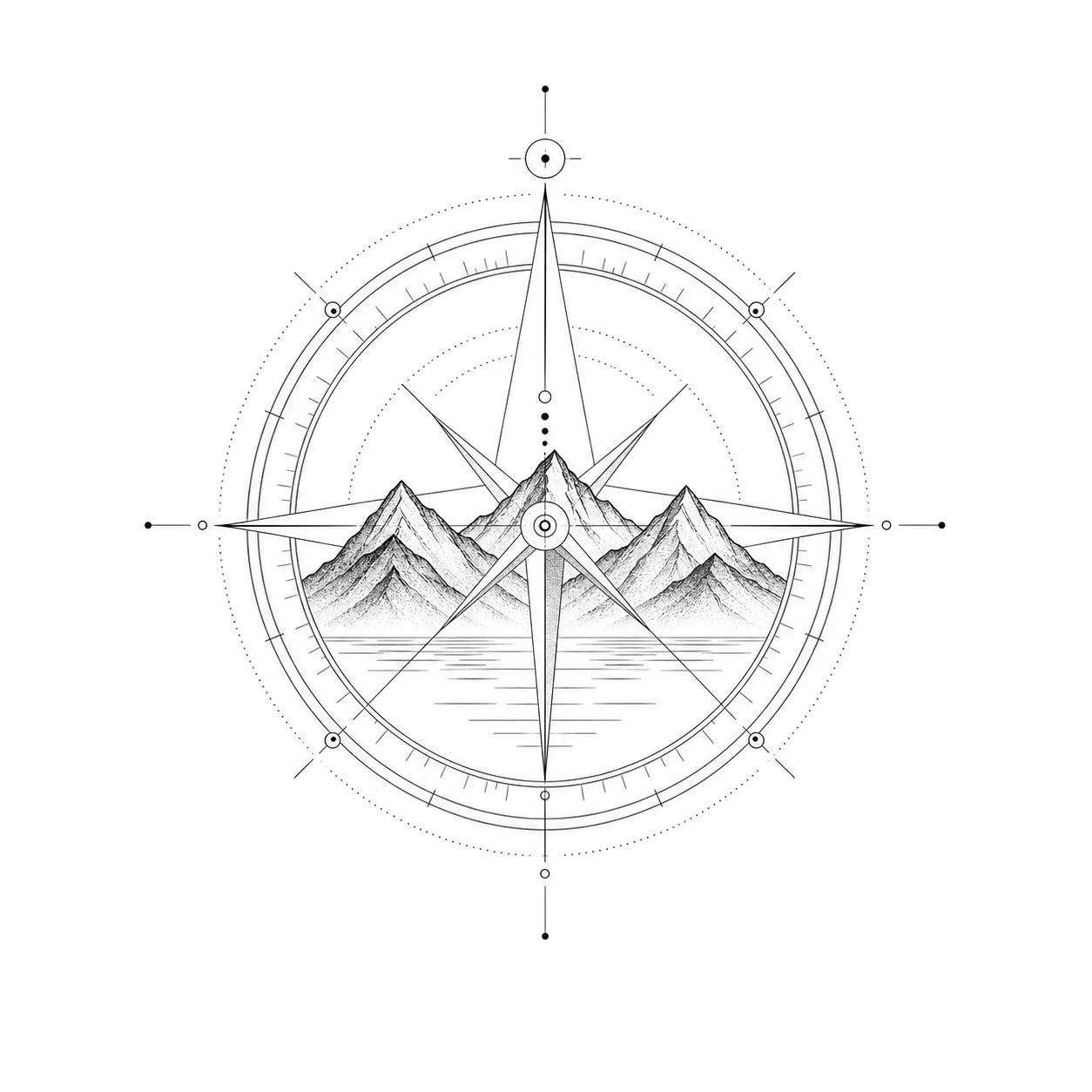
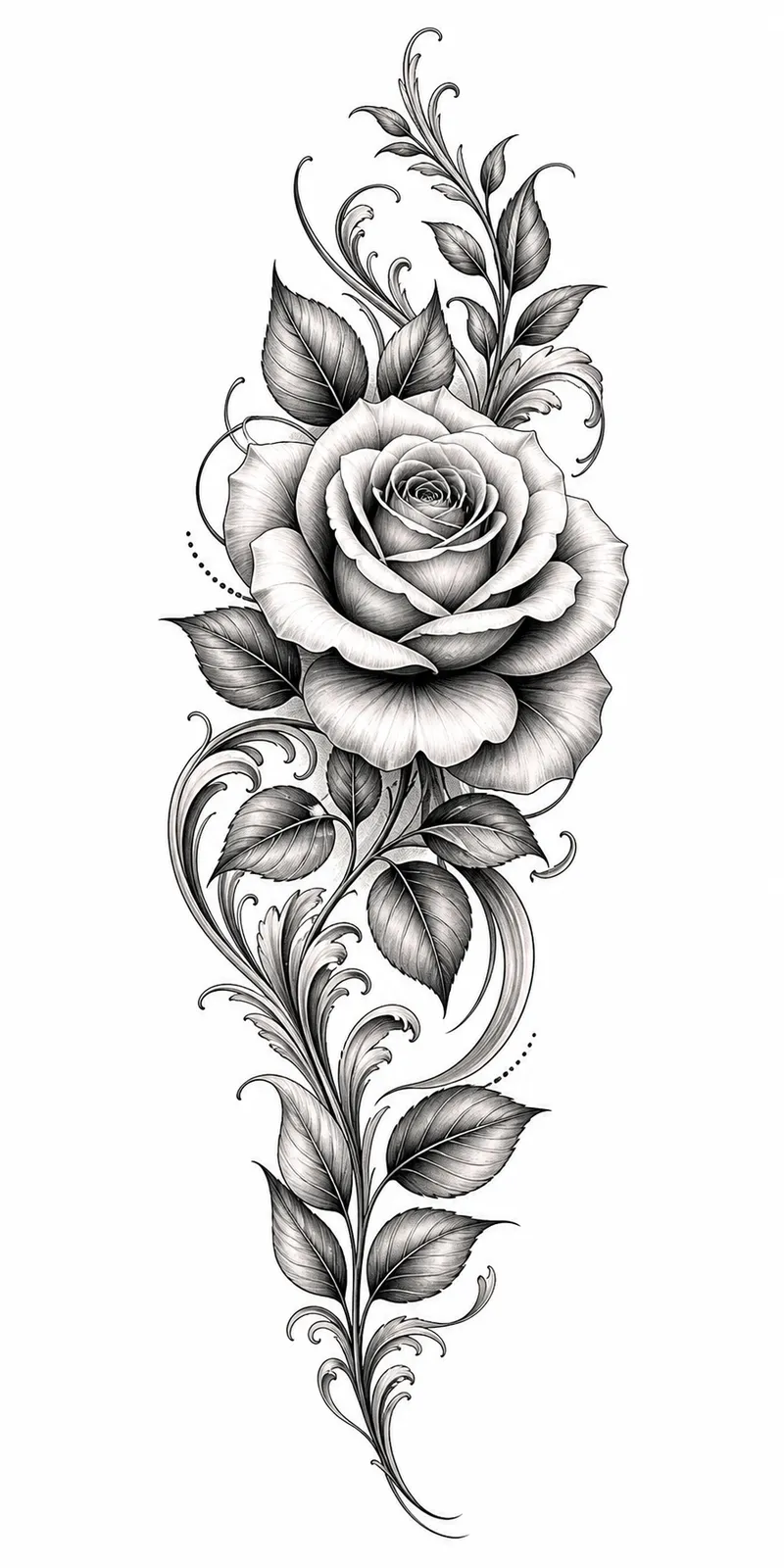
Create your own design
Describe your idea, pick a style – the AI creates one-of-a-kind tattoo designs in seconds.
Create your own tattoo
Popular Motifs on the Arm
The arm carries almost any style: fine line symbols and lettering on the forearm, bold blackwork or realistic motifs on the upper arm, geometric patterns, floral vines, or animals. Many pick a motif with personal meaning, a date, coordinates, a constellation, or a symbol that stands for an important person. Small standalone motifs can later be expanded into a larger whole. Because the arm is spacious and easy to reach, it suits both your first understated tattoo and an elaborate project that grows over several sessions.
Forearm, Upper Arm, or Wrist?
Each zone on the arm has its own character. The forearm is always visible and therefore ideal for lettering and motifs you like to see yourself, but it feels a bit more sensitive along the bone-close inner edge. The upper arm offers plenty of muscle, is considered more comfortable to tattoo, and is easy to cover when needed. The wrist suits small, fine motifs but is more sensitive and more exposed to friction. Think about how visible you want your tattoo to be day to day and whether you'd sometimes cover it at work, and the right zone often follows from that.
From Single Motif to Sleeve
The arm is especially well suited to growing step by step. Many start with a single motif and add to it over the years into a half or full sleeve. For that to look cohesive later, it pays to have a rough overall idea of the style, theme, and flow from the start. That way new elements attach harmoniously instead of looking thrown together. A sleeve usually comes together over several sessions so the skin can heal. Talk to your artist if you're planning more down the line, since good studios factor the composition in from the beginning.
Pain and Healing on the Arm
Compared with the ribs, sternum, or elbow, the arm is considered easy to tolerate, especially on the muscular parts of the upper arm and the outer side of the forearm. More sensitive are the thin-skinned inner side, the elbow, and the wrist. Healing on the arm is often uncomplicated, as long as you follow the care instructions: keep it clean, moisturize as recommended, don't pick at scabs, and skip sun, sauna, and the pool in the first weeks. Because the arm moves a lot day to day, be careful not to rub it constantly against clothing until it's healed.
Visibility in Everyday Life and at Work
The arm is popular because you decide on visibility yourself: a forearm motif is always present, while the upper arm hides easily under a T-shirt. In some professions, visible tattoos are still an issue, even though acceptance has grown. If you want to stay flexible, the upper arm is a good choice. Also keep in mind that arm areas heavily exposed to the sun can fade faster over the years. Consistent sun protection helps keep your tattoo's colors and lines fresh for the long run.
FAQ
Does an arm tattoo hurt?
Compared with bone-close spots, the arm is considered easy to tolerate, especially on the muscular upper arm and the outer side of the forearm. More sensitive are the thin-skinned inner side, the elbow, and the wrist. Pain is individual and also depends on size and session length.
What size works on the arm?
The arm is very flexible: everything from a small symbol on the wrist to a medium motif on the forearm to a full sleeve is possible. What counts is your motif, the level of detail you want, and how visible it should be. Your artist helps you find the right proportion.
How long does an arm tattoo take to heal?
The surface heals in about two to three weeks, while the deeper regeneration of the skin can take a few weeks longer. On the arm this is often uncomplicated if you care for it cleanly, don't scratch, and skip sun, sauna, and the pool at first. Follow your studio's instructions.
Is the arm suited to a first tattoo?
Yes, the arm is a very good spot to start. The upper arm is comparatively low on pain, well visible, and easy to cover when needed, and healing is usually uncomplicated. That lets you gather first experiences and expand the motif later if you like it.
Where do I start with my arm tattoo?
First think through the motif, style, and rough zone, forearm, upper arm, or wrist. Collect designs for orientation and test variations with the AI generator. With a clear picture, you head into the studio, where your artist adapts the design to your arm and finalizes the placement.