Fake Tattoo
A fake tattoo looks like the real thing but isn't permanent – perfect for testing an idea, an event, a photoshoot, or just the look without a lifelong commitment. Depending on the technique, it lasts anywhere from a few days to around two weeks and then fades away without a trace. That lets you try out designs and placements without locking yourself in forever. Below you'll find design ideas to browse plus notes on techniques, longevity, and safety. With the AI generator you can design your own – as a fake for the moment or as a template you take to your artist later.
You might also like:real tattoos at a glance · more fake tattoo ideas · numbing cream for the real thing
Templates & examples
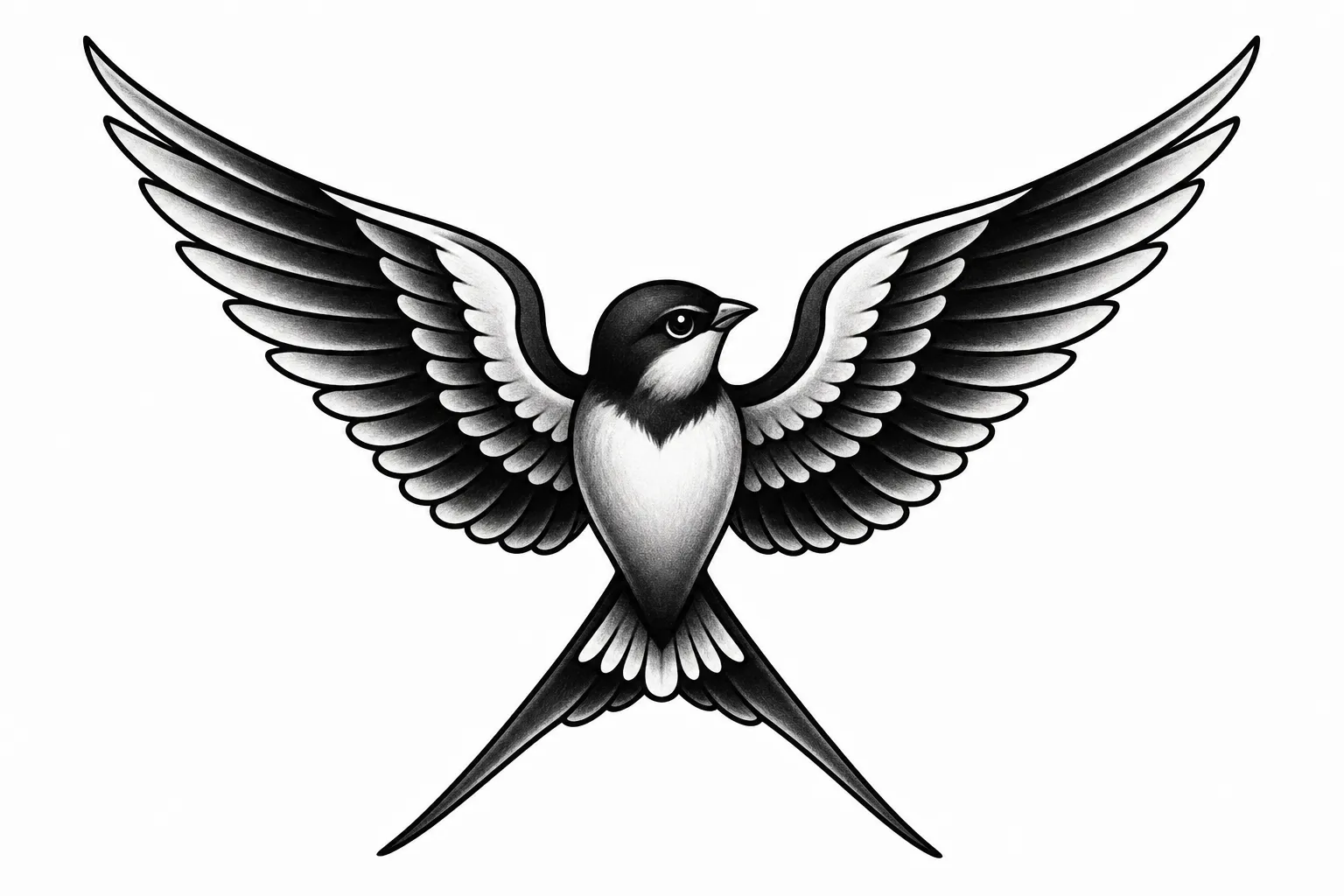

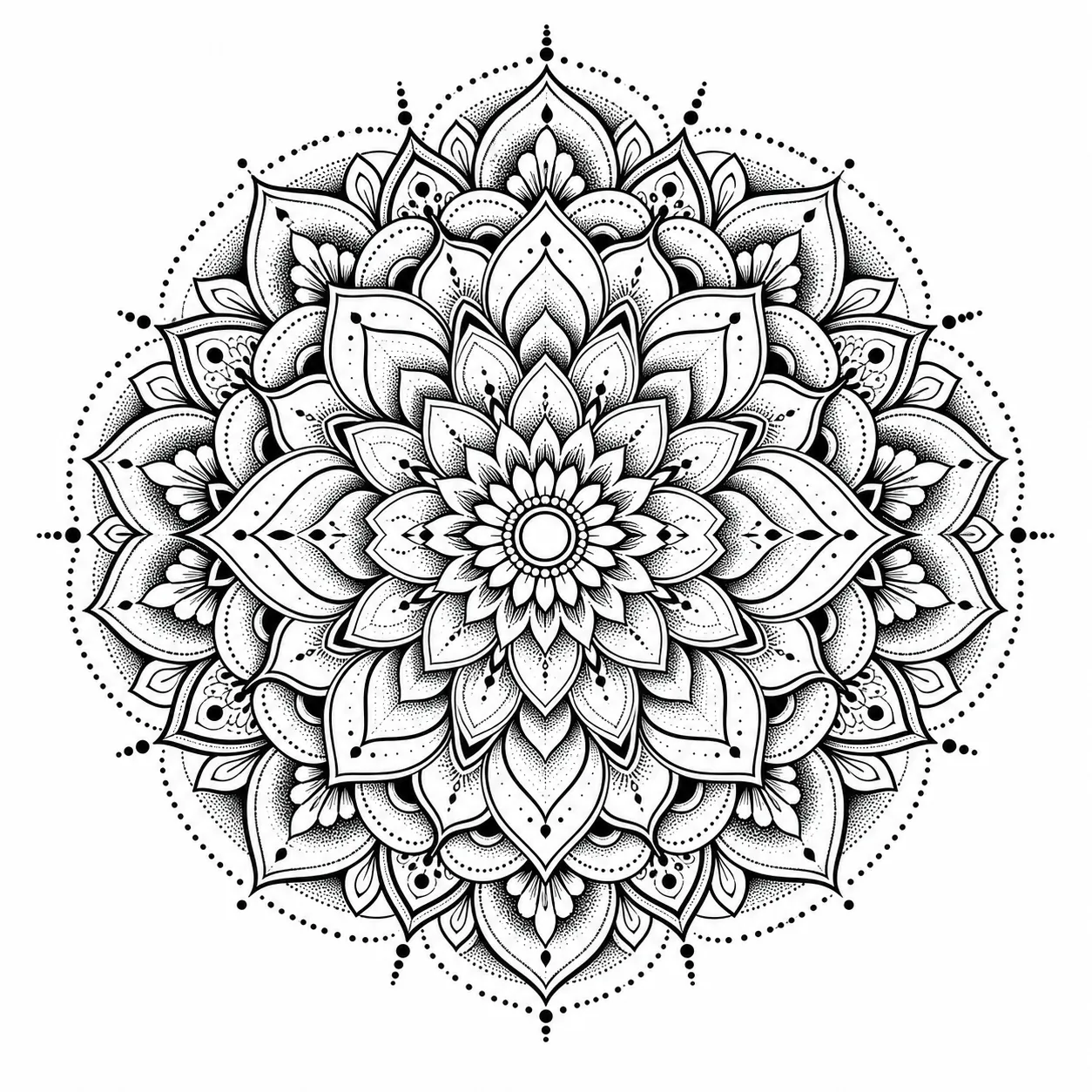
Create your own design
Describe your idea, pick a style – the AI creates one-of-a-kind tattoo designs in seconds.
Create your own tattoo
How a Fake Tattoo Works
Fake tattoos come in a few forms. Classic temporary transfers are applied to the skin with water and last a few days. Painted-on designs made with henna or jagua stain the top layer of skin a brownish to dark tone and fade over one to two weeks. On top of that there are airbrush tattoos and printable transfer sheets for custom designs. What they all have in common is that no needle is involved and the color isn't set permanently into the skin. That keeps the result on the surface, so it comes off again over time or with a little oil.
A Fake as a Test Run for the Real Thing
A fake tattoo is a clever dress rehearsal. You can try out how a design feels in a specific spot, whether the size works for you, and how the people around you react. Wear the design for a few days and you'll quickly know whether you'd still love it long term or whether certain details start to bug you. That takes a lot of the uncertainty out of the final step. Design your idea digitally, put it on as a fake, and then use it as a dialed-in template for your studio appointment.
How Long Each Technique Lasts
How long a fake lasts depends on the method and the spot on your body. Temporary transfers usually survive two to five days, depending on how often the area gets washed and rubbed. Henna and jagua designs stay visible for about one to two weeks and then gradually fade. Areas with thicker skin like the forearm or calf hold the color longer than hands or fingers. Grease, friction, sweat, and frequent washing all cut the lifespan short. A little powder and going easy on the moisturizer can help stretch it out.
What to Watch for With Your Skin
Fake tattoos are considered fairly low-risk, but they're not entirely risk-free. On sensitive skin, the adhesive from transfers or ingredients in the colors can cause irritation. Take extra care with so-called black henna: it can contain the additive PPD, which can trigger allergic reactions. Pure, natural henna stains more of a reddish-brown. It's best to test a new product on a small patch of skin first and to avoid irritated or broken skin. If you get lasting redness, itching, or blisters, remove the design and see a doctor.
From a Fake to Your Own Design
The appeal of a fake is getting to experiment with no strings attached. Try different styles, sizes, and placements until you land on a favorite. With the AI generator you can build up your design step by step and both wear it as a temporary piece and save it as a template. If you still love the look after a trial run, take the finished design to a studio. That way you combine the fun of experimenting with a well-thought-out foundation for a real tattoo that actually suits you.
FAQ
How long does a fake tattoo last?
That depends on the technique. Temporary transfers usually last two to five days, while henna or jagua designs last about one to two weeks. On hairy or high-friction areas the color fades sooner. Frequent washing, sweat, and rubbing noticeably shorten the lifespan.
Are fake tattoos harmful?
They're usually low-risk, but sensitive skin can react to adhesives or colors. Be careful with black henna, which can contain the additive PPD and trigger allergies. Pure henna stains reddish-brown. Test new products on a small patch and avoid irritated skin.
Can I test my real design with a fake tattoo?
Yes, that's exactly what they're good for. Over a few days you'll see how a design looks in a given spot, whether the size and position work, and how the people around you react. That eases the uncertainty before the permanent step and helps you make the final call with confidence.
How do I remove a fake tattoo?
Temporary transfers come off with a bit of oil, makeup remover, or a cloth dampened with alcohol. Henna and jagua designs fade on their own as your skin renews, and you can speed it up a little with exfoliation and frequent washing. Don't scrub the skin too hard, to avoid irritation.
Do fake tattoos look real?
Good transfers and cleanly applied henna or jagua designs look convincingly real at first glance, especially in photos. Up close you can spot the difference by the lack of depth and a slightly shiny surface. For a realistic result, it helps to use precise designs, a matte sealant, and a fitting placement.