Tattoo
A tattoo stays with you for life, which is exactly why the design, style, and placement should genuinely fit who you are. Whether it's fine line work, a bold script, or a colorful piece, the decision deserves real thought. Here you'll find templates to browse, background on styles, costs, and aftercare, plus answers to the questions people ask most before their first appointment. With the AI generator you can also sketch your own design in seconds and play through different variations before you commit at the studio. That way you walk into the consultation prepared, with a clear picture in mind.
You might also like:numbing cream for tattoo pain · a fake tattoo to try things out · matching mother-daughter designs
Templates & examples
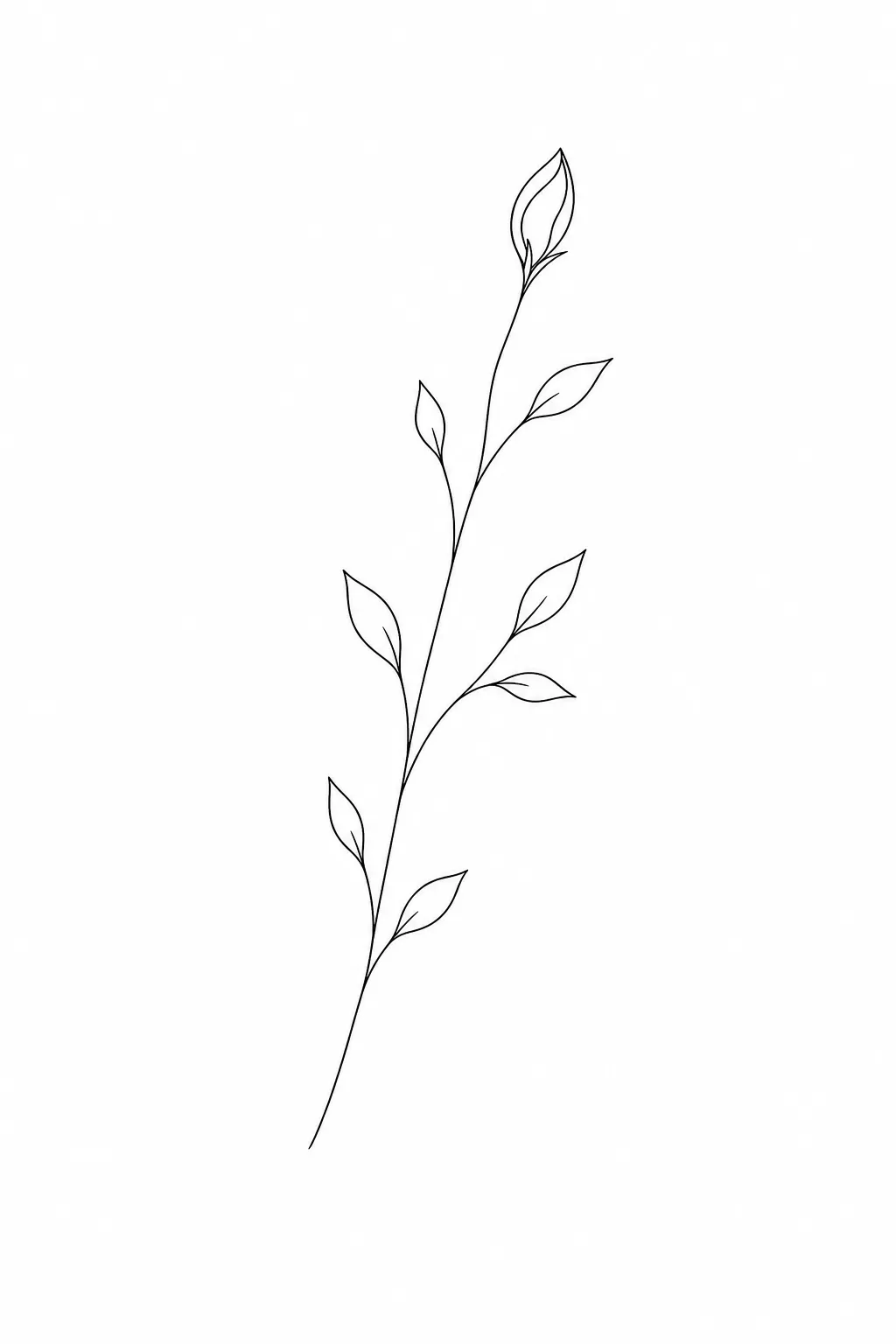
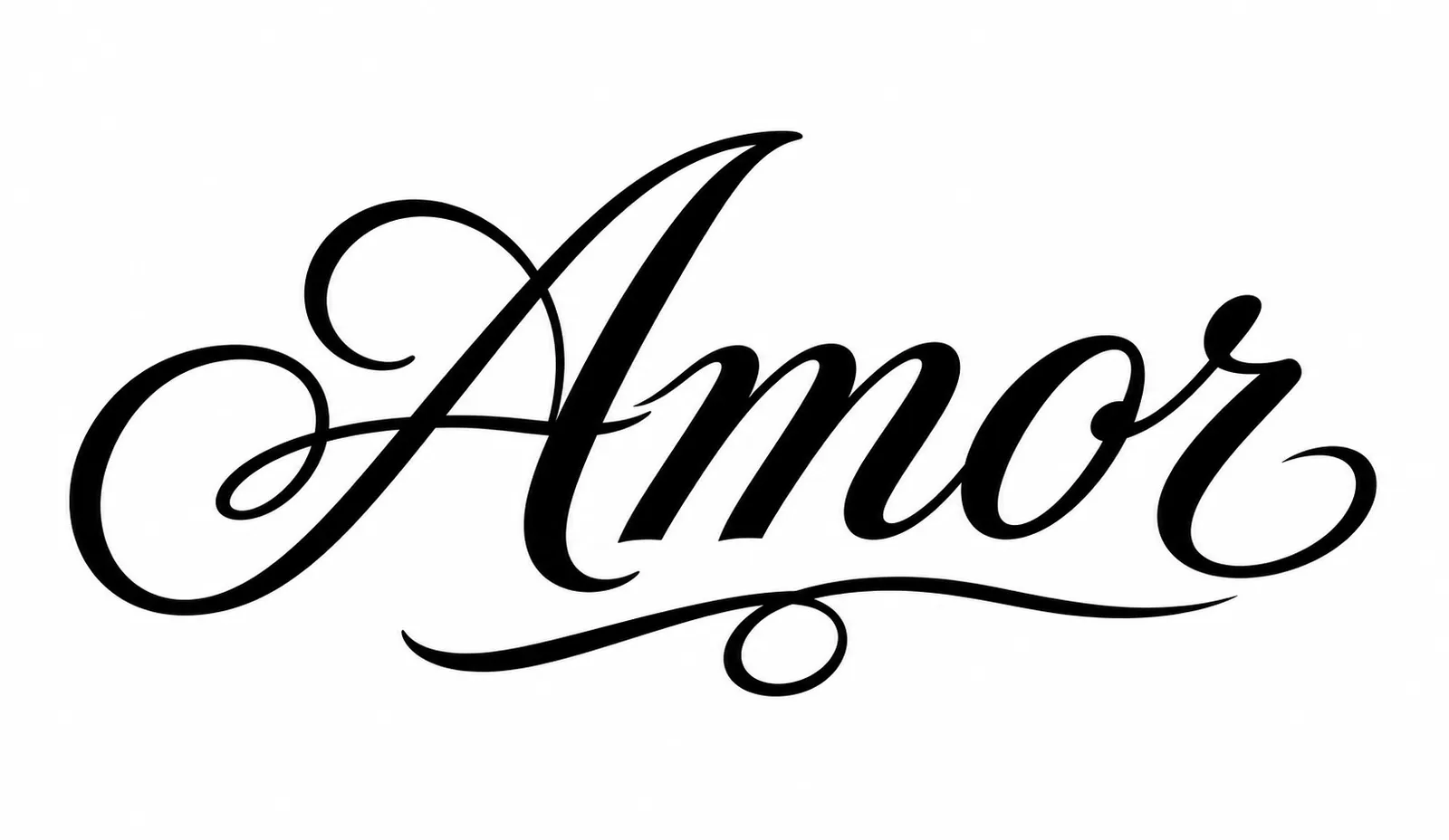
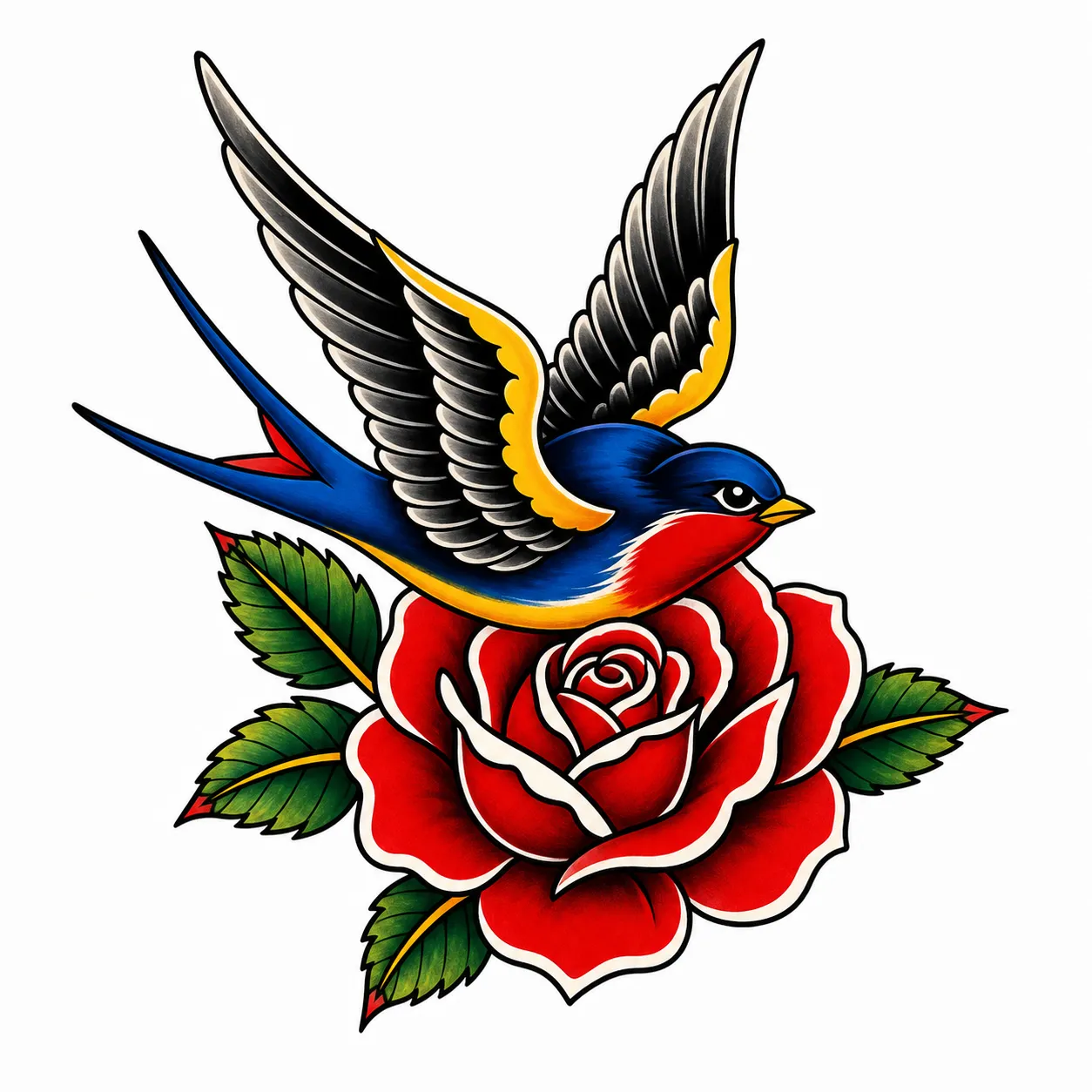
Create your own design
Describe your idea, pick a style – the AI creates one-of-a-kind tattoo designs in seconds.
Create your own tattoo
Finding the right style
Style shapes the character of a tattoo more than the design itself. Fine line relies on delicate, precise lines and reads as restrained; Old School lives on bold outlines and rich color. Realistic work imitates photographs, while blackwork uses large areas of solid black. Watercolor tattoos mimic bleeding paint, and geometric designs are built on clean shapes. Think about which look suits you and how it will still read in a few years. Flipping through different artists' portfolios helps you sharpen your own taste, since many artists specialize in particular styles.
What a tattoo costs
The cost depends on size, detail, color, and the studio's hourly rate. Small, simple designs often start at a minimum charge of around 80 to 120 euros, because every appointment ties up prep and materials. Larger or highly detailed work is usually billed by the hour, commonly around 100 to 180 euros an hour. Involved projects spread over several sittings run higher accordingly. Don't cut corners in the wrong place: experience, hygiene, and a clean result matter more than the cheapest price. A reputable studio will give you a realistic estimate up front.
Choosing the right placement
Where your design sits affects how it reads, how much it hurts, and how well it lasts. The forearm, upper arm, and calf are considered relatively comfortable and age well. Spots with thin skin and little fat, like the ribs, fingers, feet, or collarbone, are more sensitive and sometimes fade faster. Also think about visibility at work and how the design follows your body's shape. A long piece follows the arm, while a round one sits more naturally on the shoulder. If you're unsure, test the placement first with a drawn-on mockup or a digital preview.
Aftercare in the first weeks
How the wound heals has a lot to say about the final result. Keep the fresh tattoo clean, wash it with lukewarm water and mild soap, and apply a thin layer of a suitable aftercare cream. Scratching, tanning beds, the sauna, the pool, and long baths are off-limits in the first weeks, so no germs settle in and the color heals in evenly. If a light scab forms, don't pick it off. Avoid direct sun; later a high SPF protects the colors long term. If you notice redness, heavy swelling, or pus, see a doctor.
Longevity and touch-ups
A tattoo is permanent, but it visibly changes over the years. Sunlight, aging skin, and the placement all determine how long outlines stay sharp and colors stay vivid. Bold black usually holds up longest, while light and pastel tones fade sooner. Fine lines on high-wear spots like the hands or fingers need touching up more often. Many studios offer a free or low-cost touch-up within a few weeks in case some color drops out during healing. With good sunscreen and well-cared-for skin, you'll keep your design looking its best the longest.
FAQ
How old do you have to be to get tattooed?
Germany has no nationwide legal minimum age. In practice, reputable studios tattoo only from age 18. Minors generally need written parental consent and a parent present, though many studios turn them away as a rule. Your best bet is to ask directly at the studio you have in mind about their policy.
How long does healing take?
The surface usually closes up after about two to three weeks, during which some flaking and mild itching are normal. But a tattoo isn't fully healed and settled in the deeper skin layers until roughly two to three months later. How you care for it during this time noticeably affects the final result.
How do I find my design?
Start by collecting ideas that mean something to you personally: symbols, dates, nature motifs, or a style that speaks to you. Browse templates and portfolios to narrow down your taste. With the AI generator you can try out variations and develop a template from them, which you then refine with your artist.
Does getting tattooed hurt a lot?
Some pulling, burning, or scratching comes with the territory, but most people find it manageable. How much it hurts depends on the placement, how you're feeling that day, and how long it takes. Spots over bone and with thin skin are more sensitive than muscular areas like the upper or lower arm.
Can a tattoo be removed?
Yes, usually by laser, which breaks the ink particles down step by step. It's a drawn-out process, though, often more painful than getting the tattoo itself, and it takes several sessions over months. Not every color disappears completely. That's why it's worth taking your time with the design up front rather than banking on removal later.