Organ Donor Tattoo
More and more people want to wear their stance on organ donation where others can see it, choosing a small symbol that makes their stance visible and sparks conversations day to day. One thing to know up front: a tattoo isn't legally binding and doesn't replace an organ donor card or the conversation with your family. As a personal statement and a conversation starter, though, it can carry real weight. Browse designs below from simple to symbol-rich, or use the AI generator to create your own motif in a few steps.
You might also like:more on the organ donation tattoo · everything about tattoos · numbing cream for getting tattooed
Templates & examples

Create your own design
Describe your idea, pick a style – the AI creates one-of-a-kind tattoo designs in seconds.
Create your own tattoo
What an Organ Donor Tattoo Says
An organ donor tattoo is above all a personal statement. It shows the people around you that the wearer has thought the topic through and feels positively about donating. Some see it as a quiet nudge not to push the subject aside, and as a prompt for conversations with friends and family. For many it's also an expression of solidarity with people on the waiting list. The motif doesn't replace a formal decision, but it makes your stance visible and permanent, a statement you literally carry with you.
Making a Legally Sound Decision
As powerful as a tattoo is, it isn't legally binding. In Germany you document your decision in a binding way through an organ donor card, a written declaration, or the official organ donor register. In an emergency, doctors go by those records and the conversation with your family, not by a motif on your skin. A tattoo can meaningfully complement those routes and underline your stance, but it should never replace them. The safest approach is to combine both: the formal documentation for legal validity and the tattoo as a visible, personal sign. Check with official bodies for the current rules.
Popular Motifs and Symbols
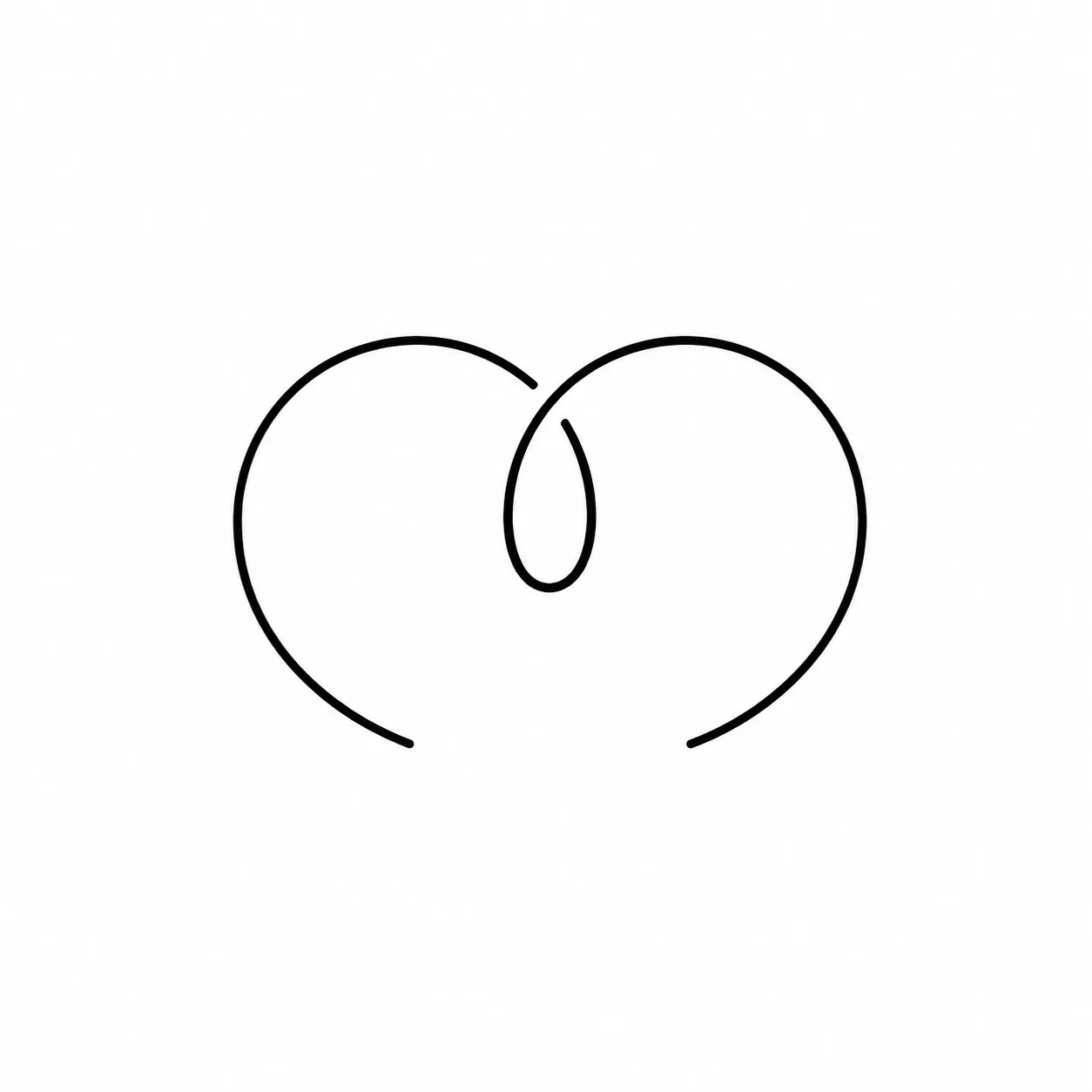
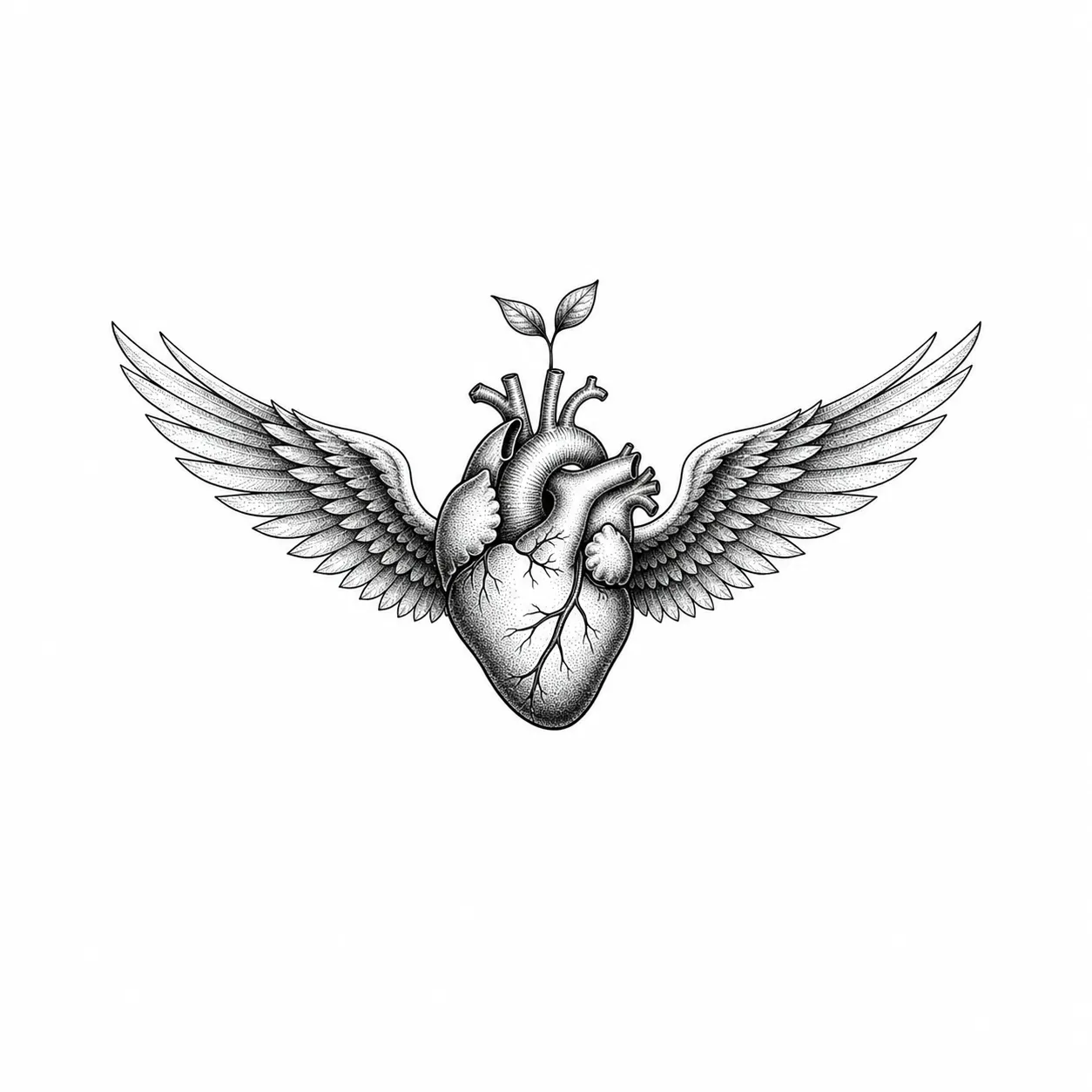
Organ donor tattoos usually go for motifs that express life, connection, or passing something on. Common choices include a stylized heart, the organ donation symbol with two interlocking elements, a heartbeat or ECG line that flows into a heart, or a heart paired with a globe. A simple piece of lettering or a small symbol on the wrist or forearm is popular too. It matters that the sign stays understandable to outsiders so it can start conversations. Many deliberately pick a well-visible spot so the message doesn't disappear under clothing.
Placement When the Message Counts
Unlike a purely decorative tattoo, visibility matters with an organ donor motif. If you want to show your stance openly, choose a well-visible spot such as the forearm, wrist, or chest. At the same time, it's your call how openly you want to carry the topic, and a subtle motif is perfectly valid too. But keep in mind: even a well-placed tattoo doesn't replace official documentation. Think of placement as a question of personal expression, while your donor card and the register handle the actual legal side.
FAQ
Is an organ donor tattoo legally valid?
No. In Germany a tattoo is not a legally binding record of your willingness to donate. You document your decision in a binding way through an organ donor card, a written directive, or the official organ donor register. The motif can visibly underline your stance and start conversations, but it doesn't replace the formal documentation. Check with official bodies for the rules that apply.
Which motifs are chosen for this?
Common picks center on the heart and life: a stylized heart, an ECG or heartbeat line, the official organ donation symbol, or a heart paired with a globe. Simple lettering is popular too. What matters is that the sign stays understandable to outsiders, so it can carry its message day to day.
How do I design my own motif?
First think about the message that matters to you, whether that's a pure statement or a clearly readable, recognizable sign. Then pick a fitting symbol, a style, and a visible placement. From a single idea you can develop an individual design and go over it with the studio before your appointment. Be sure to pair the tattoo with official documentation of your decision.
Does the tattoo replace an organ donor card?
No, the tattoo doesn't replace an organ donor card. It's a personal, visible sign, but not a legally valid record. In an emergency, doctors go by the card, the organ donor register, or the conversation with your family. The most sensible approach is to combine official documentation for legal validity with a tattoo as a personal expression of your stance.
Where should the tattoo be placed?
If you want to show your stance openly, well-visible spots like the forearm, wrist, or chest work best. Whether you wear it openly or discreetly is still your personal choice. Just remember that even the best-placed tattoo doesn't replace the legally binding documentation through a donor card or the register.