Small Organ Donor Tattoo
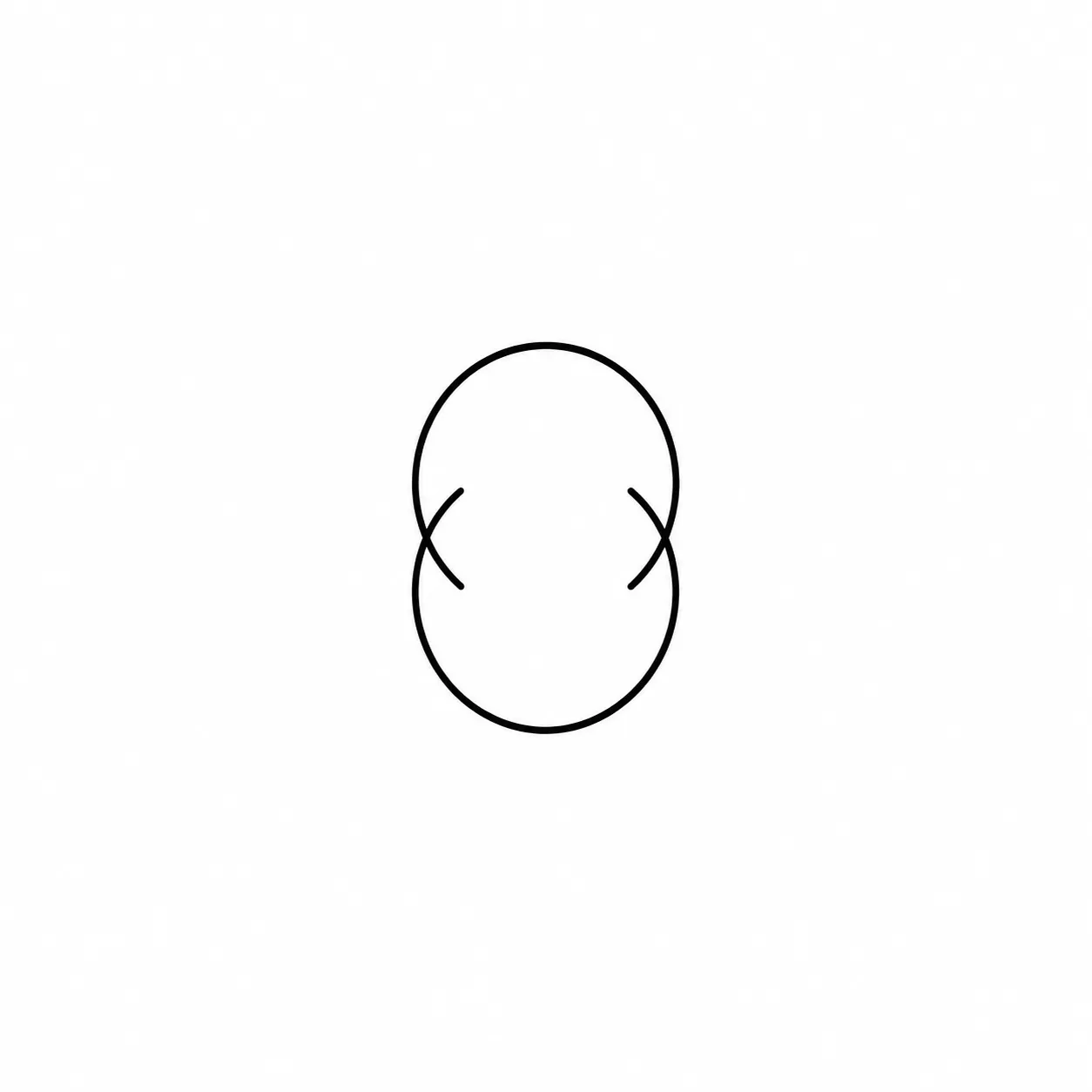
A small organ donor tattoo almost always shows the OPT.INK symbol: two half-circles that form an open O and stand for your willingness to donate. The O stands for "opt-in," the decision to release your organs after death. This page covers the meaning, the right size, good spots, and the legal catch.
You might also like:organ donor tattoo: meaning and designs at a glance · organ donor tattoo as a visible sign · semicolon tattoo: another symbol with a stance
Templates & examples
Create your own design
Describe your idea, pick a style – the AI creates one-of-a-kind tattoo designs in seconds.
Create your own tattoo
What the OPT.INK symbol means
The design behind almost every small organ donor tattoo is the same: two interlocking half-circles that together form an open O. The O stands for "opt-in," the conscious decision to release your organs after death. The symbol was created by the association Junge Helden with its OPT.INK campaign, to give the willingness to donate a visible, recognizable symbol. Anyone who knows it understands at a glance what it stands for.
Why a small organ donor tattoo is enough
In practice, this design is almost never done large, and for good reason. The OPT.INK symbol lives on its clean, pared-back form; even at two or three centimeters the lines stay clean and readable. On top of that, a small organ donor tattoo is a low-barrier decision: quick to get, subtle in everyday life, and still a conversation starter the moment someone asks about it.
Which spot suits a small organ donor tattoo?
Popular spots are the ones you and others can see easily: the wrist, the inner forearm, or the area next to the thumb. Because the symbol catches the eye and starts conversations day to day, many people deliberately choose a visible spot rather than a hidden one. The forearm is a good compromise between visibility and comfort while getting inked.
Does the tattoo replace an organ donor card?
One point a lot of people underestimate: in Germany the tattoo is not a legally valid document. It signals your willingness, but it replaces neither an organ donor card nor an entry in the organ donor register. See the symbol as a permanent statement and a conversation opener. Your actual decision should also be recorded in writing and discussed with your family.
Fine lines: pain and longevity
The thin lines of the symbol are done with a fine needle. On the forearm the sting is easy to handle; on the wrist or directly over the bone it pinches a bit more briefly. Keep the small area out of the sun for the first weeks and moisturize it regularly, and the outlines stay sharp for a long time. Delicate designs need a short touch-up at some point, which is completely normal.
FAQ
How big does a small organ donor tattoo need to be?
There's no fixed rule. The OPT.INK symbol works from about two centimeters, because it's very pared back. More important than size is that the two half-circles stay clearly readable as an open O.
How much does an organ donor tattoo cost?
Small, single-color designs usually fall under a studio's minimum fee. What you pay depends on region, studio, and effort; a symbol a few centimeters across is among the cheaper tattoos. Ask the studio about the minimum price in advance.
Where's the best place to get an organ donor tattoo?
Visible spots like the wrist or forearm are popular, because the symbol is meant to catch the eye and start conversations. The inner forearm is comfortable to get inked and still clearly visible. Fingers look especially subtle but fade faster.
Which tattoo stands for organ donation?
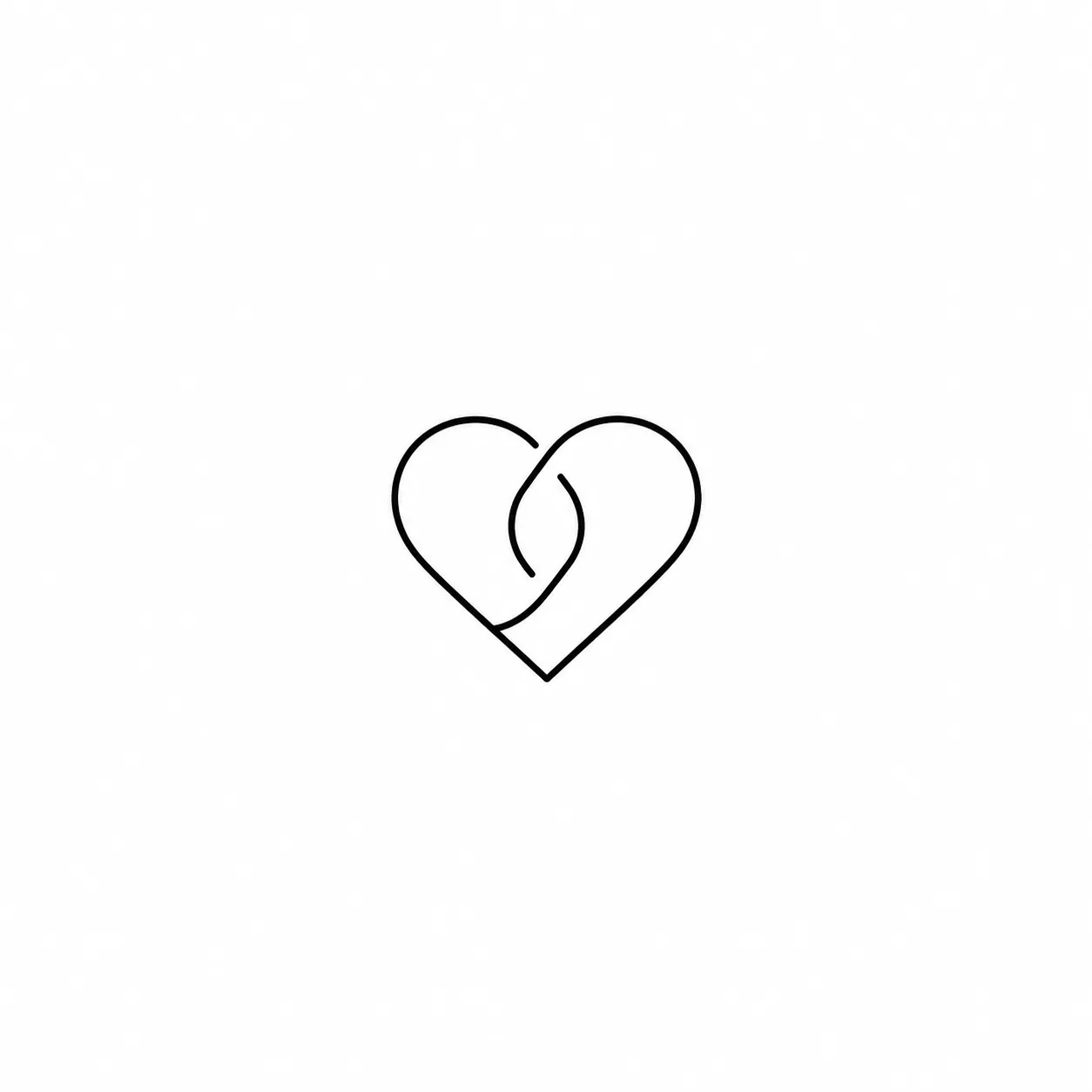
The established symbol is the OPT.INK mark by Junge Helden: two half-circles that form an open O. Some people combine it with a small heart or a date. It's by far the most widespread design for donor willingness.
Does the tattoo replace an organ donor card?
No. The tattoo is a personal statement, but it has no legal force in Germany. Also record your decision in an organ donor card or the register, and talk about it with your family.