Geometric Tattoos: Form and Meaning
Geometric tattoos translate clean lines, circles, and triangles into a precise design. They stand for order, balance, and a clear head in everyday life. This page covers the meaning, styles, good placements, plus pain, longevity, and cost in Germany.
You might also like:Flower of Life as a sacred geometry design · ornaments and patterns for tattoos · an overview of tattoo styles
Templates & examples
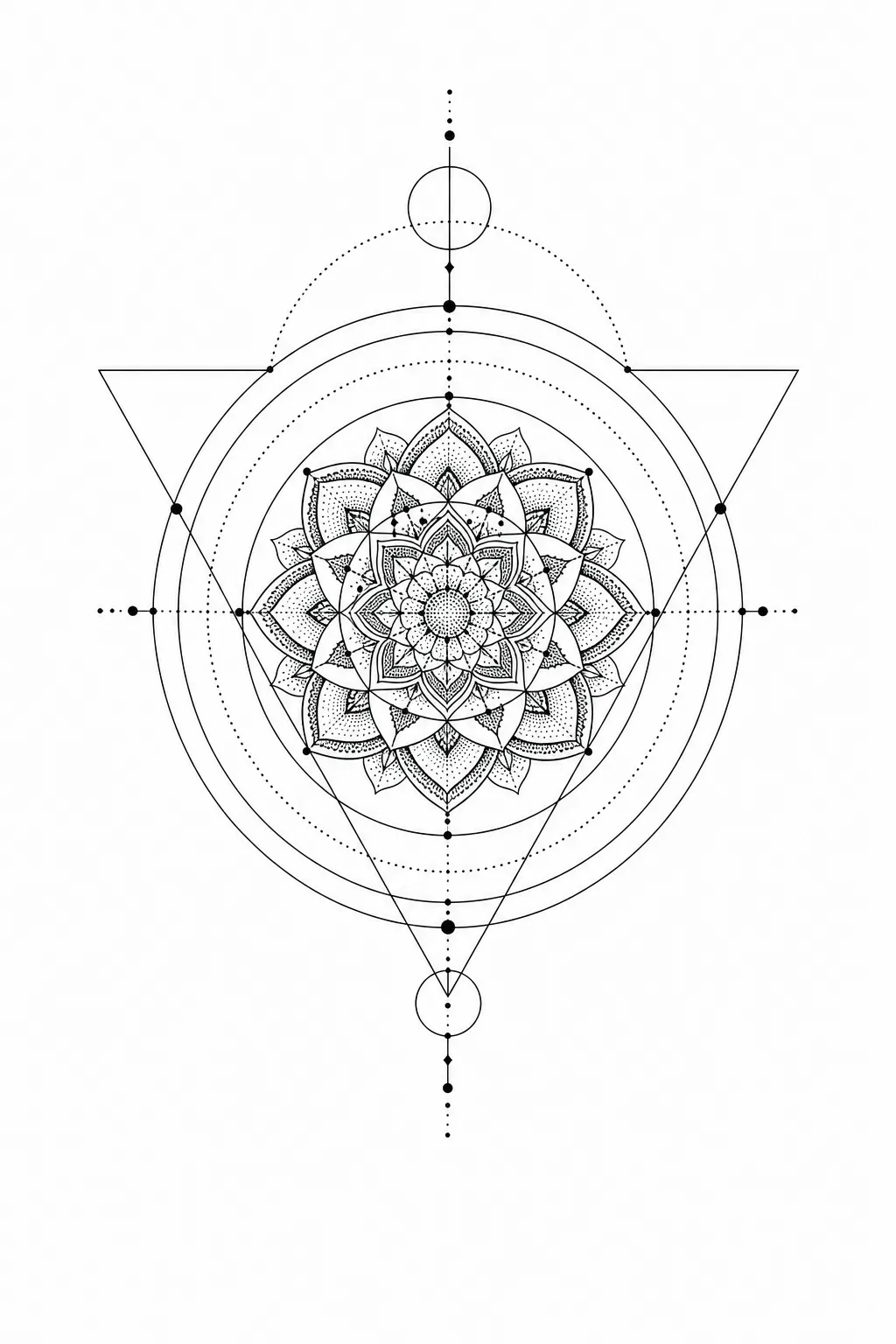
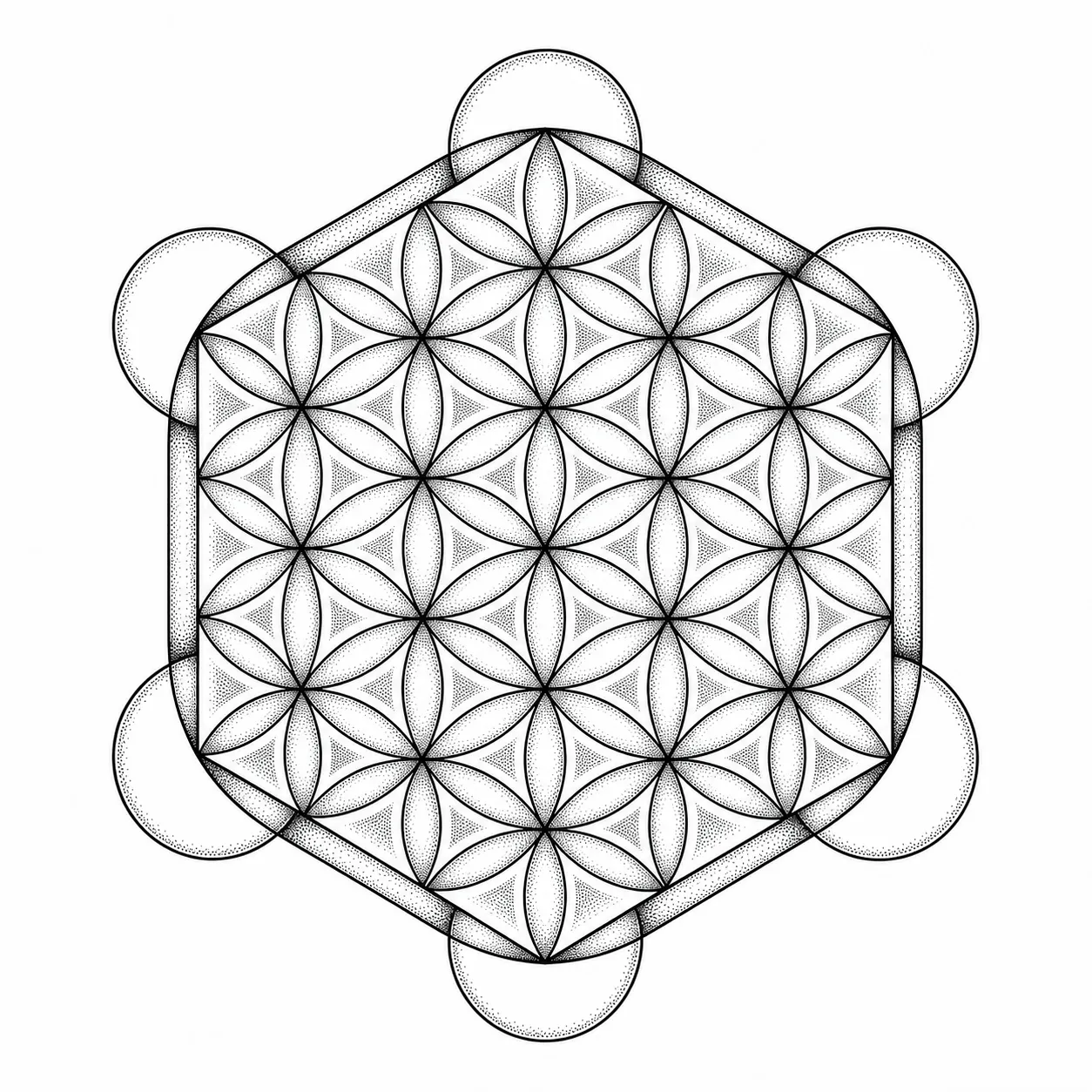
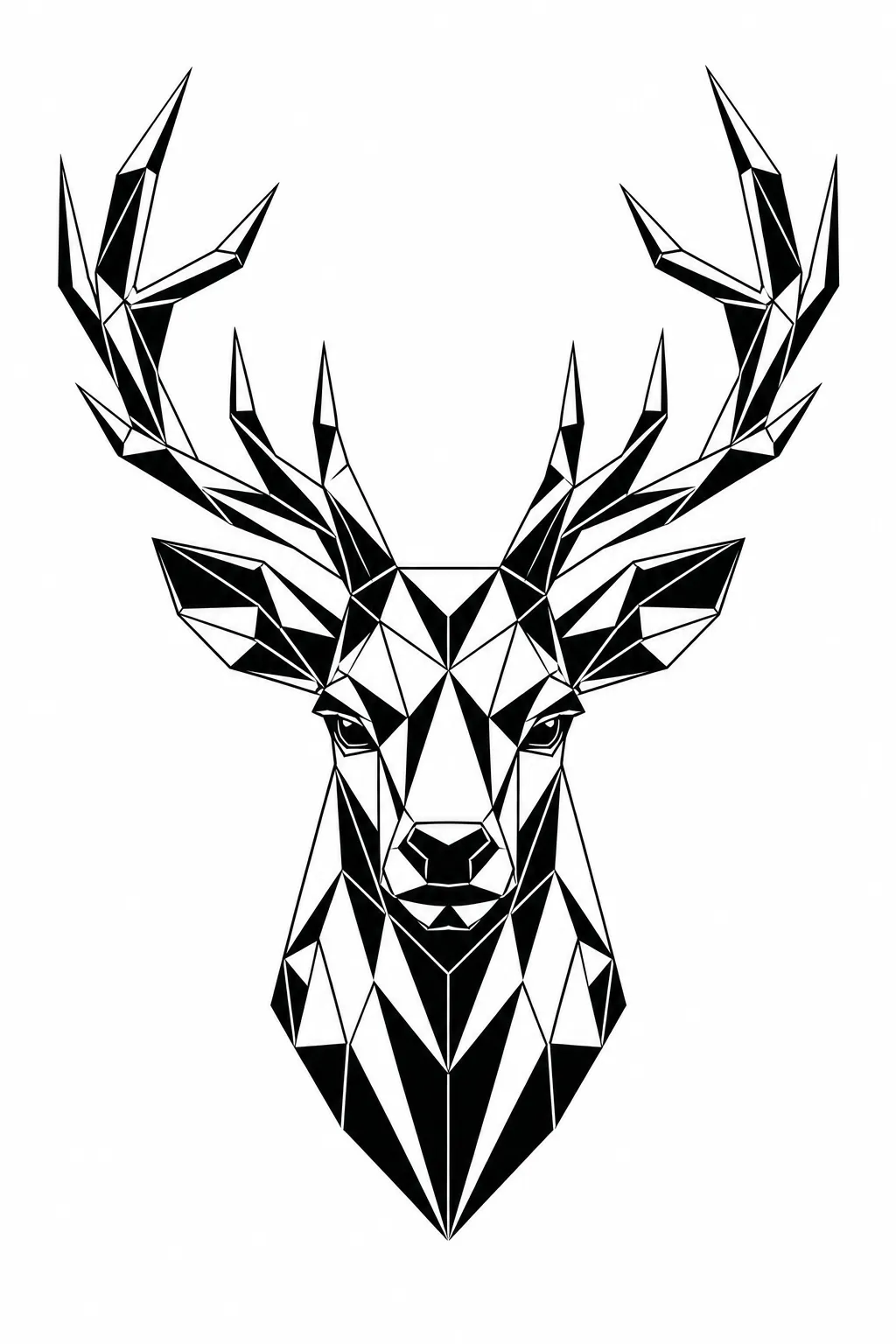
Create your own design
Describe your idea, pick a style – the AI creates one-of-a-kind tattoo designs in seconds.
Create your own tattoo
Reduction that sticks
At first glance a geometric design makes many people think of cold math. In practice, the opposite is true: those strict shapes look surprisingly personal on skin, because every line has to land. A clean triangle or circle forgives no wobble, and that precision is exactly the appeal.
What do geometric tattoos mean?
Geometric tattoos usually stand for order, balance, and the search for structure. The circle speaks of wholeness and return, the triangle of change, of body-mind-soul, or of stability depending on which way it points. Lines and grids often hint at a clear path or a fresh start. Because the shapes stay abstract, you can give them a very personal story.
Sacred geometry: Flower of Life and more
Some of these designs come from sacred geometry. The Flower of Life, Metatron's Cube, or the hexagram tie multiple circles and lines into a pattern that many people read as spiritual. Designs like these need surface and a calm background so the fine overlaps stay cleanly readable.
Which style suits geometric tattoos?
Three directions dominate. Fine line relies on hair-thin, even lines and reads subtle, but it fades faster over the years. Blackwork fills areas with deep black and holds up longest visually. Dotwork builds shading from thousands of dots and gives mandalas their soft depth. Many people combine the approaches, say fine lines with a dotted core.
Placement, size, pain, and cost
Clean geometry needs a calm surface: the forearm, calf, upper arm, or back carry the lines best, while fingers and ribs quickly disrupt the symmetry through bending and thin skin. A delicate design works from about 6 to 8 cm, larger mandalas from around 12 cm. On the forearm the pain stays bearable, while over the ribs, elbow, and spine it gets clearly more uncomfortable. In German studios you usually pay from €80 to €120 an hour, or a minimum around €60 to €100. You may want to touch up fine lines after a few years.
FAQ
What are geometric tattoos called?
You'll often hear terms like geometric, sacred geometry, or, depending on technique, blackwork and dotwork. They all mean designs built from clean shapes like circles, triangles, lines, and grids rather than naturalistic images.
What do geometric tattoos mean?
They usually stand for balance, order, and a clear path through life. Circles point to wholeness, triangles to change or stability. Because the shapes are abstract, you set the exact meaning yourself.
Which tattoo stands for never give up?
Common choices are a semicolon, an arrow, or the unalome. In geometric form, the idea also works as a rising line or an upward-pointing triangle.
Which symbols can't be tattooed?
In Germany, unconstitutional symbols like swastikas or SS runes are banned. Some geometric patterns resemble old symbols like the Vegvísir, so check the origin before you commit.
What does a geometric tattoo cost?
Small fine line designs often start in Germany at €60 to €100, while larger mandalas or blackwork areas run by the hour from around €80 to €120. Precise lines take time, and that shows in the price.